Destinations
Amalfi Coast 7-Day Honeymoon Itinerary: Positano, Ravello & Capri
A day-by-day cliffside itinerary across Positano, Capri, Amalfi Town and Ravello — with real 2026 hotel rates, ferry costs and the tradeoffs a travel editor learned the hard way.
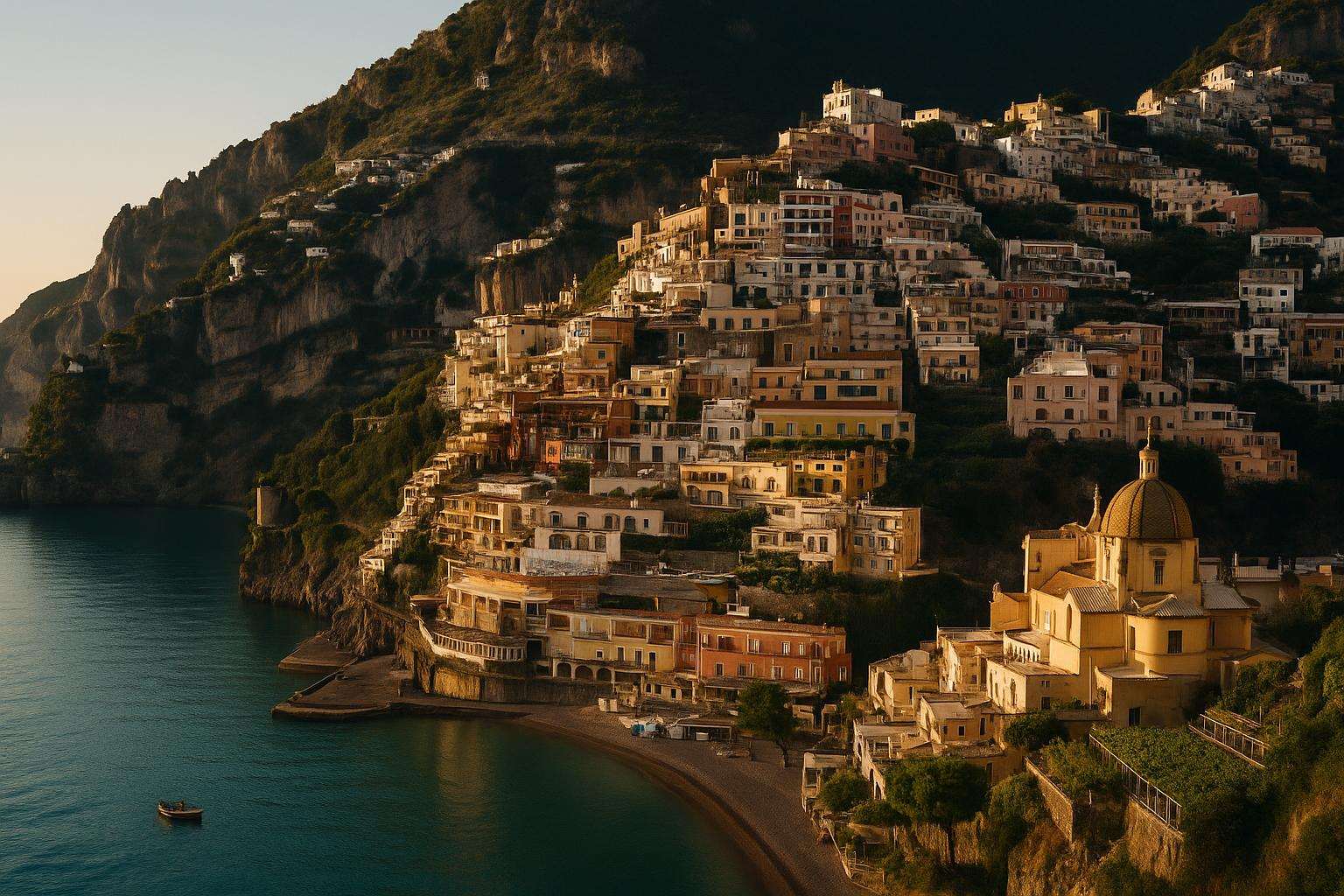
The Amalfi Coast is one of those places that survives its own fame. Fifty kilometers of cliff, pastel towns and tiered lemon groves above the Tyrrhenian Sea, protected as a UNESCO World Heritage cultural landscape, it has hosted honeymooners for a century and still delivers. I have walked this coast in both June crush and shoulder-season calm, and the trick to a great trip is sequencing: arrive in Positano, take the sea for Capri, dip into Amalfi Town's history, then climb to Ravello for the cooler, quieter finale. Seven days is exactly enough to do this without the whiplash of daily hotel changes.
Days 1–2: Positano, the cliffside arrival
The logical gateway is Naples International Airport (NAP), a roughly 90-minute private transfer to Positano along the coastal highway — longer in summer traffic. Give yourself the first afternoon simply to arrive and adjust; Positano is vertical, and the staircases between its levels are a workout.
The most iconic address on this stretch is Il San Pietro di Positano, a Relais & Chateaux property carved into the cliff face with a private beach, a La Prairie spa and a Michelin-starred restaurant. Standard prestige rooms begin around €616 per night, with the celebrated Suite 59 — its own floor with direct pool access — priced far higher by season; the hotel operates only from late March through late October per its official rooms listing. A compelling alternative is Villa Treville, a 15-suite boutique compound divided among four independent villas above the sea; nightly rates cluster around $1,295 at entry level and frequently exceed $2,000 for peak summer dates.
Fill your two Positano days on Marina Grande beach (about €20 per sun-bed pair, and yes, the beach is pebble — bring reef shoes), browsing the ceramic shops on Via dei Mulini, and dining at Da Vincenzo, where reservations are worth securing weeks ahead. The town rewards early mornings: by 10 a.m. the day-trippers arrive and the light flattens.
Day 3: The Capri day trip
Capri is best taken as a full day from the water. The seasonal Positano–Capri ferry runs roughly €25–€30 one-way per person, but I prefer a small-group boat tour from Positano — around €169 per person — which covers the Faraglioni rock arches, a swim stop, and access to the Blue Grotto, per current 2026 Capri boat-tour listings. Two honest cautions: the Blue Grotto requires a separate €18 rowboat fee at the floating ticket office, and entry is tide-dependent — arrive before 10 a.m. for the best odds. Private two-hour gozzo charters for up to six passengers start around €160–€200 from Capri's port if you want the island to yourselves for a stretch.
Day 4: Amalfi Town and its cathedral
Amalfi Town anchors the coast's history. The Cathedral of Sant'Andrea, founded in the 9th century, presides over the main piazza with its striped Arab-Norman facade and steep ceremonial staircase. It is a short, low-key day by design — a counterweight to Positano's intensity. Da Gemma is the perennial recommendation for fresh seafood in a family-run setting a short walk up the Via Genova. Use the afternoon to catch the ferry or a transfer up to your Ravello base.
Days 5–6: Ravello, above the heat
Ravello sits 350 meters above the sea, and that altitude is the point: it is measurably cooler, calmer and more contemplative than the coast below. It also holds its own tier of luxury. Belmond Hotel Caruso, an 11th-century palace conversion with 19 rooms and 31 suites, is the regional benchmark; entry rates on comparison platforms begin around $820 per night per aggregated KAYAK pricing, and its suspended infinity pool — appearing to spill straight into the Gulf of Salerno — is among the most photographed in Italy. Palazzo Avino, a restored 12th-century villa with the Michelin-starred Rossellinis restaurant, is a comparable alternative.
The two essential Ravello walks are both a few minutes from either hotel: Villa Cimbrone's Terrace of Infinity, a bust-lined belvedere over a sheer drop to the sea, and the gardens of Villa Rufolo, which inspired Wagner. Spend an afternoon on the lesser-known towns of Praiano and Furore, where the streets stay quiet even in August.
How the anchor hotels compare
| Property | Town | Entry rate (2026) | Signature feature | Season |
|---|---|---|---|---|
| Il San Pietro di Positano | Positano | ~€616/night | Cliff-carved private beach + La Prairie spa | Late Mar–late Oct |
| Villa Treville | Positano | ~$1,295/night | 15-suite private compound | Seasonal |
| Belmond Hotel Caruso | Ravello | ~$820/night | Suspended infinity pool, butler service | Seasonal |
| Palazzo Avino | Ravello | Mid-high five-star | Michelin-starred Rossellinis | Seasonal |
Day 7: The scenic drive and departure
A private sunset boat charter back toward Positano — roughly €160–€300 for a two-hour vessel depending on size — is a fitting close before the return transfer to Naples airport (about 90 minutes via the SS163, more in summer). If your flight is late, a slow lunch in Praiano beats a rushed final morning fighting coastal traffic.
Practical notes worth internalizing
- Book a year out for July–August at Il San Pietro and Belmond Caruso.
- Skip the rental car. The SS163 is narrow and gridlocked; historic centers issue automatic camera fines. Use transfers and ferries.
- Beaches are pebble. Pack reef shoes.
- Entry paperwork: non-EU travelers need the ETIAS waiver from 2025 — confirm current status on your government travel-advisory page before you fly.
The Amalfi Coast is not a place to rush or to over-schedule. Anchor in two or three towns, let the sea do the transit, and give Ravello the last, quiet word. That rhythm is what turns a beautiful coastline into a honeymoon you actually remember.
Frequently asked
What is the best time of year for an Amalfi Coast honeymoon?
The Amalfi Coast's high season runs May through October, but the sweet spot for honeymooners is late May to mid-June and September. You get warm sea temperatures and full hotel operation without the peak July–August crush of traffic on the SS163 coastal highway. Marquee properties like Il San Pietro di Positano and Belmond Hotel Caruso operate seasonally — typically late March through late October — and close entirely in winter, so a December visit is not an option. Book 12 months ahead for July and August dates, which sell out first at the anchor hotels.
How much does a luxury Amalfi Coast honeymoon cost per night?
Accommodation is the largest line item. Prestige rooms at Il San Pietro di Positano begin around €616 per night, with signature suites priced considerably higher by season. Belmond Hotel Caruso in Ravello starts around $820 per night on comparison platforms. A boutique compound like Villa Treville clusters around $1,295 at entry level and frequently exceeds $2,000 for peak summer dates. Add private transfers, ferries and dining, and a seven-day luxury trip for two commonly runs well into five figures before airfare.
How do you get from Positano to Capri?
The seasonal Positano–Capri ferry runs roughly €25–€30 one-way per person and is the budget option, though schedules thin outside high summer. Many honeymooners prefer a private or small-group boat tour from Positano — around €169 per person on shared departures — which covers the Faraglioni arches, a swim stop and Blue Grotto access. Note the Blue Grotto requires a separate €18 rowboat fee paid at the floating ticket office, is tide-dependent, and is best attempted before 10 a.m. for the highest chance of entry.
Do US and UK travelers need a visa for the Amalfi Coast?
For short tourist stays, US, UK, Canadian, Australian and New Zealand citizens do not need a traditional Schengen visa for Italy, but they are required to hold the ETIAS visa waiver for EU entry — a mandatory pre-travel authorization for non-EU nationals phasing in from 2025. It is an online application tied to your passport, not a full visa, and should be arranged before departure. Always confirm current entry rules on your government's official travel-advisory page close to your trip, as rollout dates have shifted.
Are the Amalfi Coast beaches sandy?
No — this is the single most common surprise for first-time visitors. Amalfi Coast beaches, including Positano's Marina Grande, are pebble rather than sand. The stones get hot underfoot in midday sun and can be uncomfortable to walk on, so reef shoes or water sandals are strongly advised. Sun-bed pairs on Marina Grande run about €20. The tradeoff is that the water is exceptionally clear over the rocky seabed, which is part of why the swimming and snorkeling here are so good compared with murkier sandy shores.
Is a rental car worth it on the Amalfi Coast?
Generally no, and it can actively harm the trip. The SS163 coastal highway is narrow, serpentine and gridlocked in summer, parking is scarce and expensive, and the historic town centers enforce restricted-traffic zones with automatic camera fines. Most honeymooners rely on private transfers between towns, the seasonal ferry network, and their feet within villages. A private transfer from Naples airport to Positano takes about 90 minutes, longer in July–August traffic. Save the car for a Tuscany extension where it genuinely helps.