Destinations
Big Island Honeymoon: Volcanoes, Kohala Coast & Manta Nights
The Big Island is the adventurer's Hawaii honeymoon — a Kohala Coast luxury base within reach of an active volcano, the world's best stargazing, and a night dive with manta rays you cannot do anywhere else.
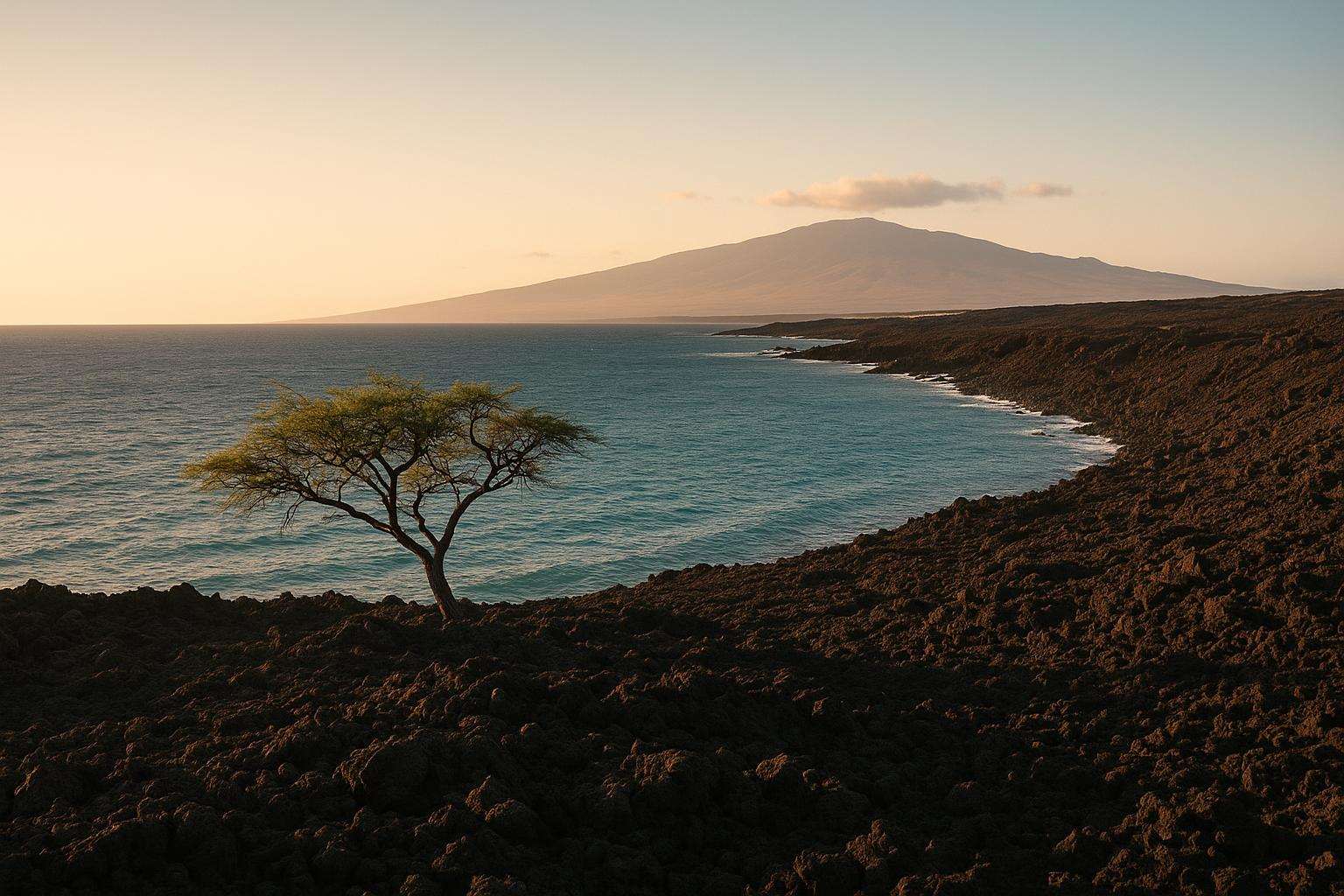
Hawaii is not one honeymoon; it is four. Maui gives you the densest concentration of beachfront luxury, Kauai the most dramatic scenery, Oahu the value entry point — and the Big Island gives you the one thing none of the others can: an itinerary built around an active volcano, the clearest night sky on the planet, and a night swim with manta rays. For couples whose idea of romance includes adventure, this is the island.
The trick is understanding that the Big Island is genuinely big — larger than all the other Hawaiian islands combined — so a great honeymoon here is about choosing a comfortable luxury base and then making deliberate day-trips outward, not trying to circle the whole island in a week.
Why the Kohala Coast is the honeymoon base
The Kohala Coast is a narrow strip of resort development carved out of the black lava fields on the island's dry, sunny western flank. This is where the calm, swimmable coves and the luxury properties cluster. The benchmark honeymoon resort is the Four Seasons Resort Hualalai, which tracks from roughly $1,253 to $2,382 per night on booking aggregators as of 2026, according to KAYAK's tracked pricing. Its signature amenity is King's Pond, a 1.8-million-gallon swimmable seawater aquarium home to over a thousand tropical fish and stocked with on-site marine-biologist programming — a private-snorkel experience that sets the tone for the marine-life theme that runs through the whole island.
Couples on a tighter budget can base in Kailua-Kona town and drive up the coast, but the resort setting — a manicured oasis of pools and coves against jet-black lava with the shield profile of Hualalai volcano behind you — is a meaningful part of the honeymoon feeling here, and worth stretching for if you can.
Hawai'i Volcanoes National Park: the once-in-a-lifetime day
No other honeymoon destination on Earth lets you stand at the rim of an active caldera. Hawai'i Volcanoes National Park, a UNESCO World Heritage Site on the island's southeast flank, is anchored by Kilauea, one of the world's most active volcanoes. Whether you see surface lava is entirely dependent on current activity, which changes constantly — Kilauea has produced several summit eruptions in recent years, and when the Halema'uma'u vent is active, the glow within the crater is visible from overlooks after dark.
Even without live lava, the park is a full day: the Kilauea caldera itself, the eerie sulphur banks and steam vents, the Thurston lava-tube walk through a forested tube, and the Chain of Craters Road that drops nearly 4,000 feet down to where old flows meet the sea. Always check the Park Service's current-conditions page before you drive out — closures shift with volcanic activity — and honor every closed-area sign; this is a live geological environment, not a set piece.
Because the drive from the Kohala Coast is long and the caldera glow is best after dark, many couples spend one night on the Volcano/Hilo side. That splits the island neatly: dry, sunny resort luxury on the west; lush rainforest, waterfalls and volcanic drama on the east.
Mauna Kea: the darkest sky you will ever share
Mauna Kea is the best ground-based astronomical site in the world, which is why the summit hosts a cluster of international observatories. For honeymooners the appeal is simpler: some of the darkest, clearest, most star-crowded skies anywhere, watched from a mountain that rises nearly 14,000 feet out of the Pacific.
Treat the altitude with respect. The University of Hawai'i's visitor guidance recommends acclimatizing at the Visitor Information Station near 9,200 feet for at least 30 minutes before going higher, and advises against the summit for anyone who is pregnant, has recently scuba-dived, or has heart or respiratory conditions — a real consideration given that many couples pair Mauna Kea with the manta dive. The honest recommendation for most honeymooners is to stargaze from the Visitor Station level, which is spectacular and far safer than the 4WD-only summit road. If you do want the summit, book a guided tour that supplies the vehicle, warm parkas and telescopes.
The manta night: the Big Island's signature dive
The experience couples talk about most afterward is the manta ray night snorkel. Guided boats off the Kona coast — most famously at Keauhou Bay and the Kohala dive sites — shine lights into the water after dark, drawing clouds of plankton, which in turn draw giant manta rays that feed by barrel-rolling just beneath the surface, sometimes brushing arm's length from you. It is genuinely unlike anything on the other islands, and it is the marine-life bookend to Hualalai's King's Pond.
Choose an operator that follows the Manta Ray Green List conservation standards, wear a wetsuit (the water is warm but you float still for a while), and book a calm-sea evening. Sightings are common but never guaranteed, so build in a spare night if this is a must-do.
A workable Big Island honeymoon shape
A clean structure is: three or four nights on the Kohala Coast for resort time, snorkeling and the manta night; one full day (or an overnight) at Hawai'i Volcanoes National Park; and one evening dedicated to Mauna Kea stargazing. That rhythm gives you luxury downtime as the spine and threads the island's irreplaceable adventures around it — the honeymoon only the Big Island can offer.
If you can only do one Hawaiian island and you already know you want beaches-and-nothing-else, Maui or Kauai may suit you better. But if the words "active volcano," "darkest sky on Earth" and "swim with manta rays" make you both lean in, the Big Island is the honeymoon you will still be describing years later.
Frequently asked
Is the Big Island a good honeymoon choice compared with Maui or Kauai?
It is the right choice for adventurous couples rather than couples seeking pure beach seclusion. The Big Island trades Maui's dense luxury-resort corridor and Kauai's dramatic coastline for experiences you cannot have anywhere else: an active volcano at Hawai'i Volcanoes National Park, summit stargazing on Mauna Kea, and the Keauhou Bay manta night. Its beaches are fewer and more scattered, and distances are large, so it rewards couples who want their honeymoon organized around adventure with a luxury base rather than around lounging on one beach for a week.
How much does a Kohala Coast honeymoon resort cost?
The premier property, Four Seasons Resort Hualalai, tracks from roughly $1,253 to $2,382 per night on booking aggregators as of 2026, with rates rising over the December-through-March peak and easing in the fall shoulder. Other Kohala Coast luxury and upper-upscale properties run a wide band below that. Budget honeymooners can stay in Kailua-Kona town and drive to the coast, but the Kohala Coast resort experience — built on black lava fields with calm swimmable coves — is a large part of what makes this a honeymoon rather than a road trip.
How far is Hawai'i Volcanoes National Park from the Kohala Coast?
It is a substantial drive — roughly two hours each way from the Kohala Coast resorts to the park entrance near Volcano village, depending on route and traffic. That distance is the single biggest planning trap on the Big Island: couples underestimate it and try to do too much in one day. The better approach is to treat Volcanoes as a dedicated full day, leaving early, or to spend a night on the Hilo/Volcano side so you can catch the caldera glow after dark and start fresh the next morning.
Can you actually see lava at Hawai'i Volcanoes National Park?
Sometimes, but never guaranteed — it depends entirely on current eruptive activity, which changes week to week. Kilauea has had multiple summit eruptions in recent years, and when the vent is active the glow within Halema'uma'u crater is visible from overlooks after dark. When there is no surface lava, the park is still extraordinary: steam vents, the vast Kilauea caldera, lava-tube walks and the Chain of Craters Road down to the coast. Always check the National Park Service's current conditions page before you go, and never approach closed areas.
Is the Mauna Kea summit safe to visit on a honeymoon?
The summit sits near 13,800 feet, high enough that altitude affects most people, so it is not for everyone. The University of Hawai'i advises acclimatizing at the Visitor Information Station (around 9,200 feet) for at least 30 minutes before continuing, and warns against the summit for anyone pregnant, recently scuba diving, or with heart or respiratory conditions. Many couples get the best of it by stargazing from the Visitor Station level instead, which still delivers some of the darkest skies on Earth without the altitude risk. A guided tour handles the 4WD road and the cold.
What is the manta ray night snorkel and where do you do it?
It is a guided evening snorkel or dive off the Kona coast — most famously at Keauhou Bay and the Kohala Coast dive sites — where boat lights attract plankton, which in turn draw giant manta rays that feed by barrel-rolling just below the surface, often within arm's reach. It is one of the signature Big Island experiences and genuinely unlike anything on the other islands. Choose an operator that follows the Manta Ray Green List conservation standards, wear a wetsuit for warmth, and book for a calm-sea evening; sightings are common but never promised.