Destinations
Caribbean Honeymoon Guide: Turks & Caicos, St. Lucia & Antigua
Three very different Caribbean honeymoons compared, with real resort rates from Amanyara to Jade Mountain, hurricane-season strategy, and which island fits which couple.
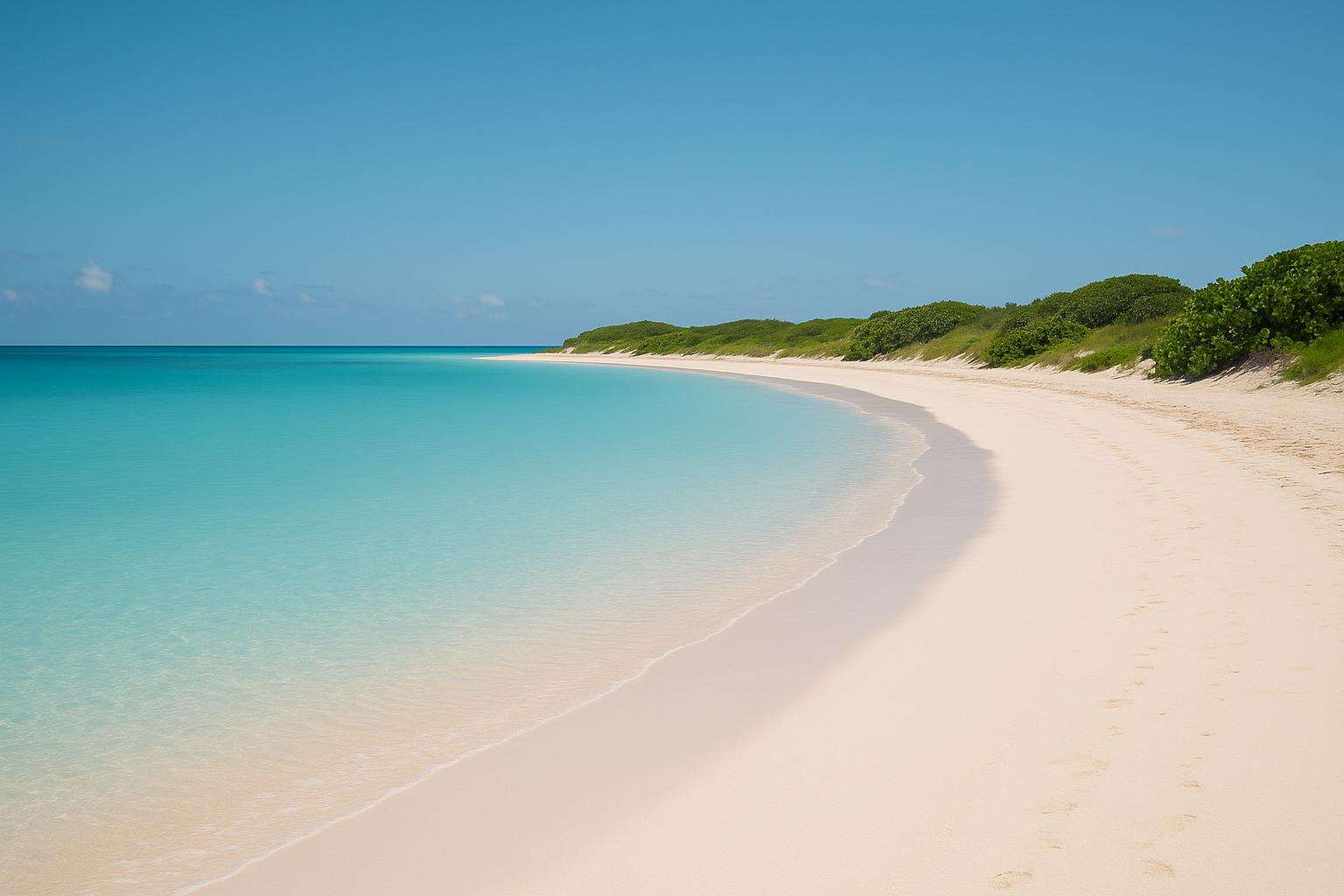
The Caribbean is not one honeymoon; it is a dozen, and choosing the wrong island for your temperament is the most common source of regret. This guide compares three of the strongest options, Turks & Caicos, St. Lucia and Antigua, each of which sells a fundamentally different experience: flawless beach, dramatic landscape, and beach abundance with private-island intimacy. It also confronts the question that shapes every Caribbean booking, hurricane season, with the actual historical record rather than marketing reassurance. Prices are ranges as of 2026 and attributed below.
Which Caribbean island fits which couple?
Turks & Caicos is the beach-quality play. Grace Bay on Providenciales is consistently ranked among the world's finest beaches, with calm, luminous water and powder sand, and the islands receive direct flights from many US cities. The flagship stays are Grace Bay Club, the original luxury all-suite resort with 1,100 feet of beachfront and reported rates above $1,500 per night before tax per Grace Bay Resorts, and Amanyara, set within an 18,000-acre nature reserve at North West Point with wellness immersions from around $3,200 per night per Aman.
St. Lucia is the drama play. Its competitive advantage over every other Caribbean honeymoon is the Pitons, the twin volcanic spires near Soufriere that form a UNESCO World Heritage site. Jade Mountain is the most architecturally singular resort in the region: each graduated-tier sanctuary omits its fourth wall entirely, opening to an unobstructed panorama of both Pitons and the sea, with a private infinity pool built into the room. Per Tripadvisor, 2025-2026 rates run from about $1,498 for the entry Sky Suite to $3,033 for the Sun Suite. Ladera, the only resort built within the UNESCO boundary, delivers a comparable open-wall concept from roughly $863.
Antigua is the beach-abundance and sailing play, famous for its 365 beaches. Its top honeymoon addresses are Jumby Bay Island, an all-inclusive private-island retreat two miles offshore reached by catamaran, and Hermitage Bay, an intimate boutique of 25 villas on the west coast recognized on Conde Nast Traveler's 2026 Gold List.
How much does a Caribbean honeymoon cost?
The luxury tier spans a wide band across these islands. Here is how the flagship stays compare.
| Resort | Island | Nightly rate (2026) |
|---|---|---|
| Amanyara | Turks & Caicos | from ~$3,200 (wellness immersion) |
| Grace Bay Club | Turks & Caicos | $1,500+ before tax |
| Jade Mountain | St. Lucia | $1,498-$3,033 |
| Ladera Resort | St. Lucia | from ~$863 |
| Jumby Bay Island | Antigua | all-inclusive; contact resort |
These are entry-to-mid ranges that rise in the December-to-April peak. The single largest lever on cost is when you travel: the June-to-November hurricane season carries 30 to 50 percent rate reductions.
Is it safe to honeymoon during hurricane season?
This is the question every Caribbean couple wrestles with, and it deserves a data-based answer rather than reassurance. The Atlantic season runs officially June 1 through November 30, with peak activity mid-August through mid-October and a statistical peak around September 10 per the NOAA National Hurricane Center and its HURDAT2 record. Risk is not uniform through the season: June and November historically produce fewer and weaker systems than the August-October core. So if you travel in season for the savings, book at the shoulders, June or November, rather than the peak.
Two protections matter. First, choose islands and resorts with established named-storm rebooking policies and verify them before booking. Second, insure the trip correctly. Standard travel insurance does not typically cover weather cancellations unless a government evacuation order exists; a cancel-for-any-reason, or CFAR, policy, which usually costs 40 to 50 percent more than standard coverage, provides genuine financial protection. Most CFAR policies must be purchased within 10 to 21 days of your initial trip deposit, so buy it early.
How should you structure the trip?
A split stay is the specialist's recommendation, especially in St. Lucia. Begin with two or three nights at Jade Mountain or Ladera near Soufriere for Piton immersion and south-island activities, the Sulphur Springs drive-in volcano, Diamond Falls, Piton hiking, then transfer north to a beach-and-all-inclusive property such as Sandals Grande for the final nights of ease. The logic generalizes: front-load the active, scenery-driven stay and save pure beach relaxation for the end, when you most want to slow down. Couples combining islands should budget a travel day, since inter-island Caribbean flights often route through a regional hub.
The honest verdict
These three islands cover the full range of what the Caribbean does best, and none is a wrong choice, only a mismatched one. Turks & Caicos gives you the world's best beach but comparatively little to do beyond it. St. Lucia gives you unmatched scenery and adventure but calmer, less-pristine resort beaches. Antigua gives you variety and private-island intimacy at a genuine luxury price. The shared weakness is the hurricane calendar, which is real but manageable with the right timing, island and insurance. Decide what your honeymoon is actually about, beach, landscape or variety, and the island chooses itself.
Frequently asked
Which Caribbean island is best for a honeymoon?
It depends entirely on the couple's temperament, because these islands sell different experiences. Turks & Caicos is the beach-quality play: Grace Bay on Providenciales is consistently ranked among the world's finest beaches, the water is calm and impossibly clear, and it receives direct flights from many US cities. St. Lucia is the drama play: the twin Piton peaks near Soufriere give resorts like Jade Mountain and Ladera a scenery no flat coral island can match, along with rainforest and volcanic hot springs. Antigua is the beach-abundance and sailing play, famous for its 365 beaches and boutique private-island luxury. Choose Turks & Caicos for beach perfection, St. Lucia for landscape and adventure, and Antigua for variety and intimacy.
When is hurricane season in the Caribbean, and is it safe to honeymoon then?
The Atlantic hurricane season runs officially June 1 through November 30, with peak activity concentrated mid-August through mid-October and a statistical peak around September 10, per NOAA. Traveling in season is a legitimate choice given the 30 to 50 percent rate reductions, but timing and island choice matter. June and November historically produce fewer and weaker systems than the August-October core, so book at the shoulders of the season if you go. No island is fully immune to indirect effects like heavy rain and flight disruption, so protect the trip with insurance. Standard travel insurance rarely covers weather cancellations unless an evacuation order exists; a cancel-for-any-reason policy, typically 40 to 50 percent pricier, provides genuine protection and usually must be purchased within 10 to 21 days of the first deposit.
How much does a Caribbean honeymoon at these islands cost?
The luxury tier spans a wide band. In Turks & Caicos, Grace Bay Club has reported nightly rates above $1,500 before tax, and Amanyara's wellness immersions start from around $3,200 per night. In St. Lucia, Jade Mountain runs from about $1,498 for the entry Sky Suite to $3,033 for the Sun Suite for 2025-2026, while Ladera starts from roughly $863. Antigua's private-island Jumby Bay is all-inclusive luxury, with Hermitage Bay a smaller boutique option. All figures are entry-to-mid ranges as of 2026 and rise in peak winter season. Traveling in the June-to-November period, especially the shoulders, can cut these rates by 30 to 50 percent, which is the main financial argument for hurricane-season travel.
Is Turks & Caicos or St. Lucia better for a honeymoon?
They are almost opposites, which makes the choice easy once you know your priorities. Turks & Caicos is about the beach itself: Grace Bay's flat, calm, luminous water and powder sand are as good as beaches get, and the vibe is relaxed luxury with easy US flight access. It is comparatively flat and quiet, which some couples find blissful and others find one-note. St. Lucia is about the landscape: the Pitons, rainforest zip-lines, the Sulphur Springs drive-in volcano, and open-wall suites at Jade Mountain and Ladera that frame the peaks. It offers more to do and more dramatic scenery but calmer, less pristine beaches on the resort strips. Beach purists choose Turks & Caicos; couples who want scenery and adventure choose St. Lucia.
What makes Amanyara and Jade Mountain special?
They are two of the Caribbean's most distinctive properties, for different reasons. Amanyara on Providenciales sits within an 18,000-acre nature reserve at Turks & Caicos' North West Point Marine National Park, accessed by a single track through the reserve, a deliberate design that signals disconnection before you even arrive. Its Aman-style wellness immersions follow structured pathways in mindfulness, transformation and detox, with a three-night minimum, from around $3,200 per night. Jade Mountain in St. Lucia is architecturally singular: each graduated-tier sanctuary omits its fourth wall entirely, opening to an unobstructed view of both Pitons and the sea, with a private infinity pool integrated into the room. It intentionally has no televisions, reinforcing presence over entertainment.
How do you plan a split-stay Caribbean honeymoon?
A split stay works beautifully in St. Lucia and across islands. Within St. Lucia, the specialist recommendation is to begin with two or three nights at Jade Mountain or Ladera near Soufriere for Piton immersion and south-island activities, then transfer north to a beach-and-all-inclusive property like Sandals Grande for the final nights of ease and entertainment. Across islands, some couples pair the calm beach perfection of Turks & Caicos with the drama of St. Lucia, though inter-island Caribbean flights often route through a hub, so budget a travel day. Whatever the structure, front-load the more active, scenery-driven stay and save the pure beach relaxation for the end, when you most want to slow down.