Destinations
Italy Honeymoon Guide: Amalfi Coast, Tuscany & Rome 7-10 Day Itineraries
How to structure a 7-to-10-day Italy honeymoon across Rome, Tuscany, and the Amalfi Coast — with real hotel rates, transfer logistics, ETIAS rules, and the months that reward couples most.
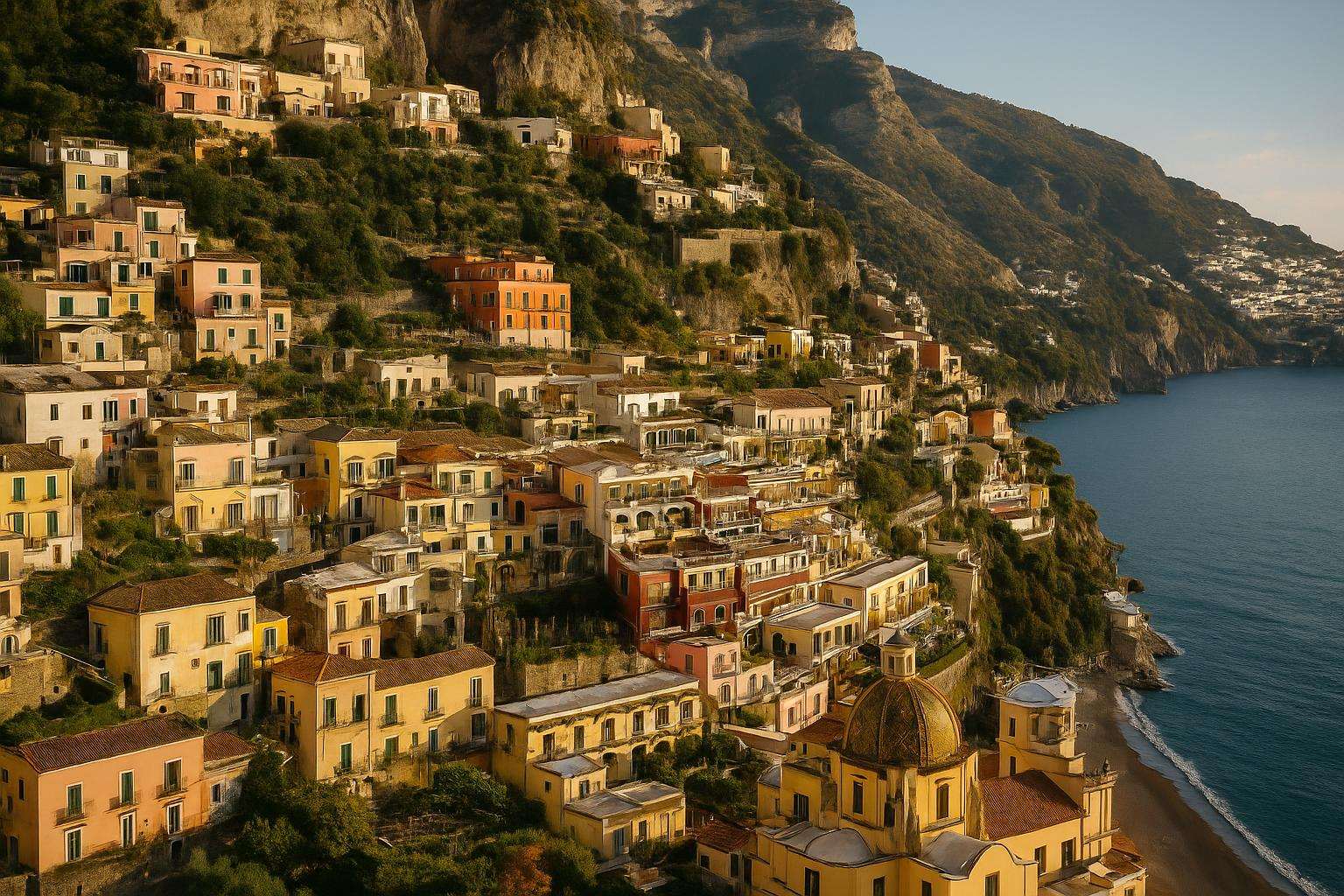
Italy pairs its most historically dense city with its most romantic countryside and one of Europe's most photographed coastlines — which is exactly why it remains a top honeymoon destination and also why couples so often over-pack the itinerary. The key to a great Italy honeymoon is not seeing everything; it is sequencing Rome, Tuscany, and the Amalfi Coast so each place gets the time it deserves. This guide gives you two workable structures, real 2026 costs, and the logistics that make the difference between a trip that flows and one that feels like a sprint.
How to structure the trip: 7 vs. 10 days
Ten days is the comfortable length for all three regions; seven days means cutting one. A balanced ten-day plan is three nights in Rome, three to four in Tuscany, and three on the Amalfi Coast. For seven days, pair Rome with just one other region — Rome plus Amalfi for a city-and-coast rhythm, or Rome plus Tuscany for city-and-countryside. Forcing all three into a week buys you transit, not romance.
| Region | Nights (10-day plan) | Register | Getting there |
|---|---|---|---|
| Rome | 3 | City, history, cuisine | Fly into FCO; private transfer to center |
| Tuscany | 3–4 | Wine country, pastoral, slow | 90-min train to Florence, then rental car |
| Amalfi Coast | 3 | Dramatic coast, glamour, boats | Naples, then 90-min private transfer |
Rome: three nights of city and history
Arrive into Rome Fiumicino (FCO); a private transfer into the center runs 50 to 80 euros. Rome's boutique honeymoon tier is well served — design-led properties like J.K. Place Roma and the Rocco Forte Hotel de la Ville above the Spanish Steps typically run $400 to $600 per night for a five-star-equivalent experience. The essential couples' itinerary: pre-purchased skip-the-line Colosseum and Roman Forum tickets, a guided Vatican Museums and Sistine Chapel session, the Trevi Fountain and Spanish Steps visited before 8 a.m. to beat the crowds, and an evening of outdoor dining in Trastevere. A pasta-and-tiramisu cooking class (roughly 80 to 150 euros per person) is a popular shared activity.
Tuscany: three to four nights of wine country
From Rome, the Trenitalia high-speed train reaches Florence in about 90 minutes, where you collect a rental car — nearly mandatory given sparse public transport in the countryside. Base yourself in the Chianti Classico DOCG zone between Florence and Siena; the towns of Castellina or Radda in Chianti make excellent hubs. A boutique honeymoon hotel with a pool and wine estate runs $600 to $1,000 per night at the top end, while a well-appointed agriturismo — a converted farmhouse with pool, breakfast, and on-site wine — starts at $126 to $200. Days here are for Vespa rides through the hills, estate tastings, and long dinners.
Extend south to the Val d'Orcia, a UNESCO World Heritage cultural landscape centered on Pienza, Montalcino (Brunello), and Montepulciano (Vino Nobile). Intimate agriturismi like Il Rigo and adults-only options near Siena anchor the region. One critical logistics note: historic city centers enforce automatic ZTL camera fines for unauthorized vehicles, so pick up and drop off rental cars outside the centers.
The Amalfi Coast: three nights of dramatic coastline
The Amalfi Coast is a 50-kilometer UNESCO World Heritage coastline of cliffs, pastel towns, and lemon groves above the Tyrrhenian Sea. The gateway is Naples International Airport (NAP), a 90-minute private transfer to Positano. The most iconic property on the stretch is Il San Pietro di Positano, a Relais & Châteaux member carved into the cliff face with a private beach and Michelin-starred dining; standard prestige rooms begin around 616 euros per night, and the hotel is open late March through late October only, per its official rooms page. Villa Treville is a compelling boutique alternative, clustering around $1,295 at entry and often exceeding $2,000 at peak.
Structure your days around a boat trip to Capri (small-group tours from about 169 euros per person, covering the Blue Grotto and Faraglioni arches), a half-day up in Ravello — where Belmond Hotel Caruso's suspended infinity pool and the gardens of Villa Cimbrone and Villa Rufolo await — and slower afternoons on Positano's Marina Grande beach. Note that Amalfi beaches are pebble, not sand, so pack reef shoes.
When to go, and the ETIAS rule
The sweet spots are May to June and September to October — warm but not oppressive, lush, and priced well below the July-August peak, when Amalfi rates and crowds surge. As the Amalfi Coast month-by-month guide notes, September delivers the warmest swimmable sea of the year with thinning crowds. April is excellent for the cities, though Easter week spikes Rome prices. One administrative item: US, UK, Canadian, Australian, and New Zealand travelers are subject to ETIAS, the EU's visa-waiver authorization for non-EU nationals that phased in from 2025 — confirm the current requirement on the official EU source and complete it before you travel.
Done well, an Italy honeymoon moves gracefully from cathedral to trattoria to cypress-lined road to cliffside terrace. Give each region real time, use trains and private transfers on the right legs, travel in the shoulder season, and book the anchor hotels early — and the trip delivers exactly the mix of grandeur and romance that makes Italy the honeymoon it has always been.
Frequently asked
How many days do you need for an Italy honeymoon covering Rome, Tuscany, and Amalfi?
Ten days is the comfortable length for all three, and seven days works if you cut one region. A balanced ten-day structure is three nights in Rome, three to four in Tuscany, and three in the Amalfi Coast, with travel days woven in. For a tighter seven-day trip, most couples pair Rome with just one of the other two — Rome plus Amalfi for a city-and-coast rhythm, or Rome plus Tuscany for city-and-countryside. Trying to force all three into seven days means too much time in transit and too little time actually settling into each place, which undercuts the romance the trip is supposed to deliver.
How do you get between Rome, Tuscany, and the Amalfi Coast?
Each leg has a preferred mode. From Rome Fiumicino, a private transfer into central Rome runs about 50 to 80 euros. From Rome to Tuscany, the Trenitalia high-speed train reaches Florence in about 90 minutes (roughly 20 to 60 euros depending on class and lead time), where couples collect a rental car for the countryside — a car is nearly mandatory in Chianti and the Val d'Orcia given sparse public transport. For the Amalfi Coast, fly or train to Naples, then take a 90-minute private transfer to Positano along the coastal highway. Pick up rental cars outside historic city centers to avoid automatic ZTL camera fines.
How much does an Italy honeymoon cost?
Costs scale with your hotel tier. On the Amalfi Coast, the iconic Il San Pietro di Positano starts around 616 euros per night and Villa Treville clusters around $1,295 or more at peak. In Tuscany, a boutique honeymoon hotel with a pool and wine estate runs $600 to $1,000 per night at the top end, while a well-appointed agriturismo farmhouse starts at $126 to $200. In Rome, five-star-equivalent boutique properties typically run $400 to $600 per night. Add trains, private transfers, guided tours, and dining, and a comfortable ten-day luxury honeymoon for two commonly lands in the low-to-mid five figures as of 2026.
Do you need a visa or ETIAS for an Italy honeymoon in 2026?
US, UK, Canadian, Australian, and New Zealand travelers do not need a traditional visa for short tourist stays in Italy, but they are subject to ETIAS, the EU's visa-waiver authorization for non-EU nationals that phased in from 2025. It is an online pre-registration tied to your passport, not a full visa, and it is inexpensive and quick to obtain — but you must complete it before travel. Rules and start dates have shifted during the rollout, so confirm the current ETIAS requirement and application window on the official EU source well before your departure rather than assuming last year's guidance still applies.
When is the best time for an Italy honeymoon?
The sweet spots are May to June and September to October. These shoulder windows deliver warm but not oppressive weather, lush landscapes, functioning outdoor dining, and hotel rates well below the July-August peak — Amalfi Coast rates in September and October run meaningfully lower than the summer high. April is Italy's underrated secret for cities, though Easter week drives Rome prices and crowds up sharply. Avoid July and August if you can: they combine extreme heat, peak pricing, and the heaviest crowds. September is arguably the single best honeymoon month, with the warmest swimmable Mediterranean sea temperatures of the year and thinning crowds.
Is the Amalfi Coast better than Tuscany for a honeymoon?
They serve completely different moods, so the better choice depends on what you want. The Amalfi Coast is dramatic and glamorous — cliffside towns, boat days to Capri, and pebble beaches — but it is busy, vertical, and logistically demanding in high season. Tuscany is pastoral and slow — cypress-lined roads, wine estates, and long agriturismo dinners — ideal for couples who want to decompress rather than sightsee. Many couples do both, using Rome as the pivot between them. If forced to choose one for a shorter trip, pick Amalfi for coast-and-glamour energy and Tuscany for romantic, unhurried countryside.