Destinations
Japan Honeymoon Guide 2026: Kyoto, Tokyo & Hokkaido Fall High-Season Strategy
How to plan a Japan honeymoon across Kyoto, Tokyo, and Hokkaido — the fall high-season booking strategy, real hotel and dining costs, kaiseki reservation lead times, and how to sequence the three.
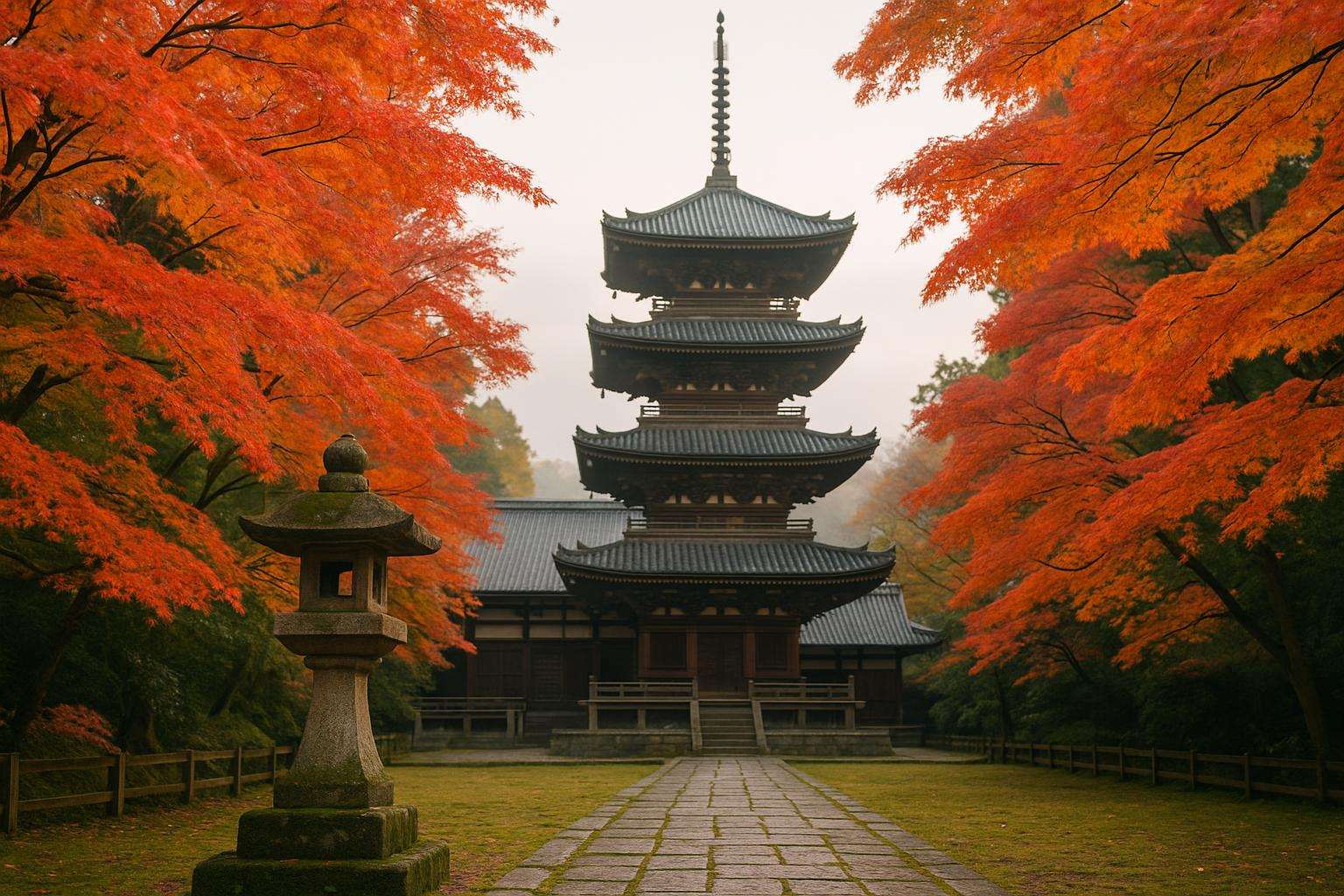
Japan is arguably the world's most disciplined food culture and one of its most rewarding honeymoon destinations, offering an unmatched progression from refined haute cuisine to street-level vitality to pastoral farm-table simplicity — all in a single itinerary. For couples willing to navigate a modest language barrier and commit to advance booking, a Kyoto-Tokyo-Hokkaido honeymoon delivers variety few destinations can match. The single most important planning variable, especially for a fall trip, is booking lead time. Here is how to sequence the three cities, what it costs in 2026, and why the autumn high season demands a specific strategy.
The three-city route and why the order matters
The logical sequence is Kyoto first, then Tokyo, then Hokkaido — moving from tradition to urban energy to a quiet, restorative finale. A common ten-to-fourteen-day structure is four nights in Kyoto, three to four in Tokyo, and three to four in Hokkaido. The Kyoto-Tokyo leg is a fast shinkansen bullet-train ride; Hokkaido is reached by a short domestic flight. Ending in Hokkaido's onsen-and-farm-table calm after the intensity of the two big cities is deliberate — it lets the honeymoon decompress rather than end on a high-adrenaline note.
| Stop | Nights | Signature honeymoon experience | Connection |
|---|---|---|---|
| Kyoto | 4 | Kaiseki dining, temples, Fushimi sake district | Fly into KIX/ITM |
| Tokyo | 3–4 | Aman or Park Hyatt, dining, city energy | Shinkansen from Kyoto (~2.5 hrs) |
| Hokkaido | 3–4 | Ryokan kaiseki, onsen, farm-to-table | Short domestic flight |
Kyoto: tradition, kaiseki, and sake
Kyoto is the primary pillar. Kaiseki-ryori — Japan's multi-course haute cuisine tracing to the 16th-century tea ceremony — treats each of its seven-to-fourteen courses as a seasonal, visual, and textural composition. The city's concentration of kaiseki restaurants is unmatched; entry-level courses at well-regarded restaurants begin around 14,850 yen (about $99) per person, while three-star Michelin kaiseki runs to about 49,500 yen (around $330), per Japan-Guide's kaiseki pricing overview. Complement the dining with a sake experience in the Fushimi district, home to roughly 20 active breweries whose pure underground water has been prized since the 16th century. The Japan National Tourism Organization's kaiseki guide is a useful primer before you book.
Tokyo: Aman vs. Park Hyatt
Tokyo is where the honeymoon's hotel decision carries the most weight, and it comes down to two icons. Aman Tokyo occupies the top six floors of the Otemachi Tower with vast ryokan-style rooms — City Suites start at 121 square meters — a 30-meter pool with panoramic views, and an onsen-style spa. Rates start from roughly $1,673 to $1,964 per night as of 2026, climbing to $5,000-plus for suites; details are on the Aman Tokyo site. Park Hyatt Tokyo crowns the 52-story Shinjuku Park Tower with 171 residential-style rooms, sweeping city and Mount Fuji views, and the jazz bar made famous by Lost in Translation, at a lower price point, per its official page.
Hokkaido: the pastoral finale
Hokkaido offers the most immersive close to a food-focused Japan itinerary. Its cold maritime climate produces Japan's finest dairy, seafood — sea urchin, king crab, scallops — and root vegetables, showcased at their peak in a ryokan kaiseki dinner. Ryokan stays with dinner and breakfast run 15,000 to 40,000 yen per person per night at mid-range properties, while luxury onsen ryokan with Michelin-affiliated kaiseki can reach 100,000 to 200,000 yen. Crab season (November to January) is prime and requires booking two to three months ahead. Saturday nights and Golden Week carry 20 to 40 percent premiums, so mid-week shoulder-season stays offer the best value.
The fall high-season strategy
Autumn is one of Japan's two peak windows, alongside spring cherry blossoms, because Kyoto's fall foliage (koyo) — peaking roughly mid-to-late November — is spectacular and draws intense demand. The strategy is non-negotiable: book everything early. Lock hotels and the most sought-after kaiseki tables two to four months ahead, reserve shinkansen seats in advance, book Fushimi brewery tours two to three weeks out, and secure Hokkaido crab-season ryokan two to three months ahead. Couples who book late in fall high season routinely find their preferred properties and restaurants fully committed. Note also that Japan's food CPI rose about 7.2 percent year-on-year through mid-2025, so build your budget on current pricing rather than older figures.
Practical notes for 2026
A modest language barrier is real but manageable — top hotels and many kaiseki restaurants handle foreign reservations through concierge or platforms like byFood. The rail network is superb; a shinkansen reservation for the Kyoto-Tokyo leg during foliage season is worth securing early. Foliage forecasts are only reliable a few weeks out, so if peak color is central to your vision, target the second half of November and build in a little flexibility. Get the booking discipline right and Japan rewards it in full: a honeymoon that moves from temple gardens to city lights to a steaming onsen under a Hokkaido night, each stage distinct and unhurried.
Frequently asked
What is the best route for a Japan honeymoon?
The classic and most logical sequence is Kyoto first, then Tokyo, then Hokkaido — moving from refined tradition to electric urban energy to pastoral farm-table simplicity. Kyoto concentrates temples, kaiseki dining, and sake culture; Tokyo delivers world-class hotels, shopping, and nightlife; and Hokkaido offers the most immersive food-and-onsen finale. A common ten-to-fourteen-day structure is four nights in Kyoto, three to four in Tokyo, and three to four in Hokkaido, connected by the shinkansen bullet train for the Kyoto-Tokyo leg and a short domestic flight to Hokkaido. This progression also builds naturally toward a quiet, restorative ending after the intensity of the two big cities.
Why is fall Japan's high season, and how should you plan around it?
Autumn is one of Japan's two peak travel windows — alongside spring cherry-blossom season — because the fall foliage (koyo) in Kyoto and the countryside is spectacular, roughly mid-to-late November in Kyoto. That beauty drives intense demand for hotels, kaiseki tables, and transport. The strategy is simple but non-negotiable: book everything early. Lock hotels and the most sought-after kaiseki restaurants two to four months ahead, reserve shinkansen seats in advance, and avoid Saturday nights and holiday clusters where possible. Couples who book late in fall high season routinely find their preferred properties and restaurants fully committed, forcing compromises on the exact experiences they came for.
How much does a Japan honeymoon cost?
Costs vary enormously by tier. At the luxury end in Tokyo, the Aman Tokyo starts from roughly $1,673 to $1,964 per night as of 2026, with suites climbing to $5,000-plus; the Park Hyatt Tokyo sits at a lower but still premium price point. Kyoto kaiseki dinners run from about 14,850 yen (around $99) per person at well-regarded restaurants to 49,500 yen (around $330) at three-Michelin-star tables. Hokkaido ryokan stays with kaiseki dinner and breakfast run 15,000 to 40,000 yen per person per night at mid-range properties and can exceed 100,000 to 200,000 yen at luxury onsen ryokan. Note Japan's food CPI rose about 7.2 percent year-on-year through mid-2025, so budget with current pricing.
How far ahead should you book kaiseki restaurants in Kyoto?
Reservations at top-tier kaiseki tables should be made two to four months in advance, especially during fall high season. Kaiseki-ryori is Japan's multi-course haute cuisine, running seven to fourteen courses, each served on ceramics and lacquerware chosen to complement the food — and the best Kyoto restaurants have limited seatings that fill quickly. Many accept foreign reservations through a hotel concierge or the byFood platform, which smooths the language barrier. Sake brewery tours in Kyoto's Fushimi district need less lead time, roughly two to three weeks, and Hokkaido ryokan during crab season (November to January) should be booked two to three months ahead alongside your kaiseki tables.
Should you choose Aman Tokyo or Park Hyatt Tokyo?
Both are iconic, but they suit different couples. Aman Tokyo occupies the top six floors of the Otemachi Tower with vast ryokan-style rooms, a 30-meter pool with panoramic views, and an onsen-style spa — a serene, ultra-exclusive urban sanctuary at roughly $1,673 to $1,964 per night and up. The Park Hyatt Tokyo sits atop the Shinjuku Park Tower with 171 residential-style rooms, sweeping city views (and Mount Fuji on clear days), and the jazz bar made famous by the film Lost in Translation, at a lower price point. Choose Aman for tranquil, spacious Japanese-design serenity and Park Hyatt for classic Tokyo skyline glamour and a more central Shinjuku energy.
When exactly is the fall foliage in Kyoto?
Kyoto's autumn foliage (koyo) typically peaks from mid-to-late November, though the exact window shifts year to year with temperature and can extend into early December in warmer years. The maples at temples like Tofuku-ji and the hillside gardens turn vivid red and orange, drawing the largest domestic and international crowds of the season. If capturing peak color is central to your honeymoon vision, target the second half of November and build in flexibility, since foliage forecasts are only reliable a few weeks out. Booking early is essential precisely because this narrow, unpredictable window concentrates demand into a few weeks each year.