Destinations
Spain Honeymoon Guide: Barcelona, Andalusia & Basque Country
Spain lets couples build a honeymoon around three very different regions — Gaudi's Barcelona, Andalusia's Moorish palaces and white villages, and the Basque Country's Michelin-dense coast — all linked by high-speed rail.
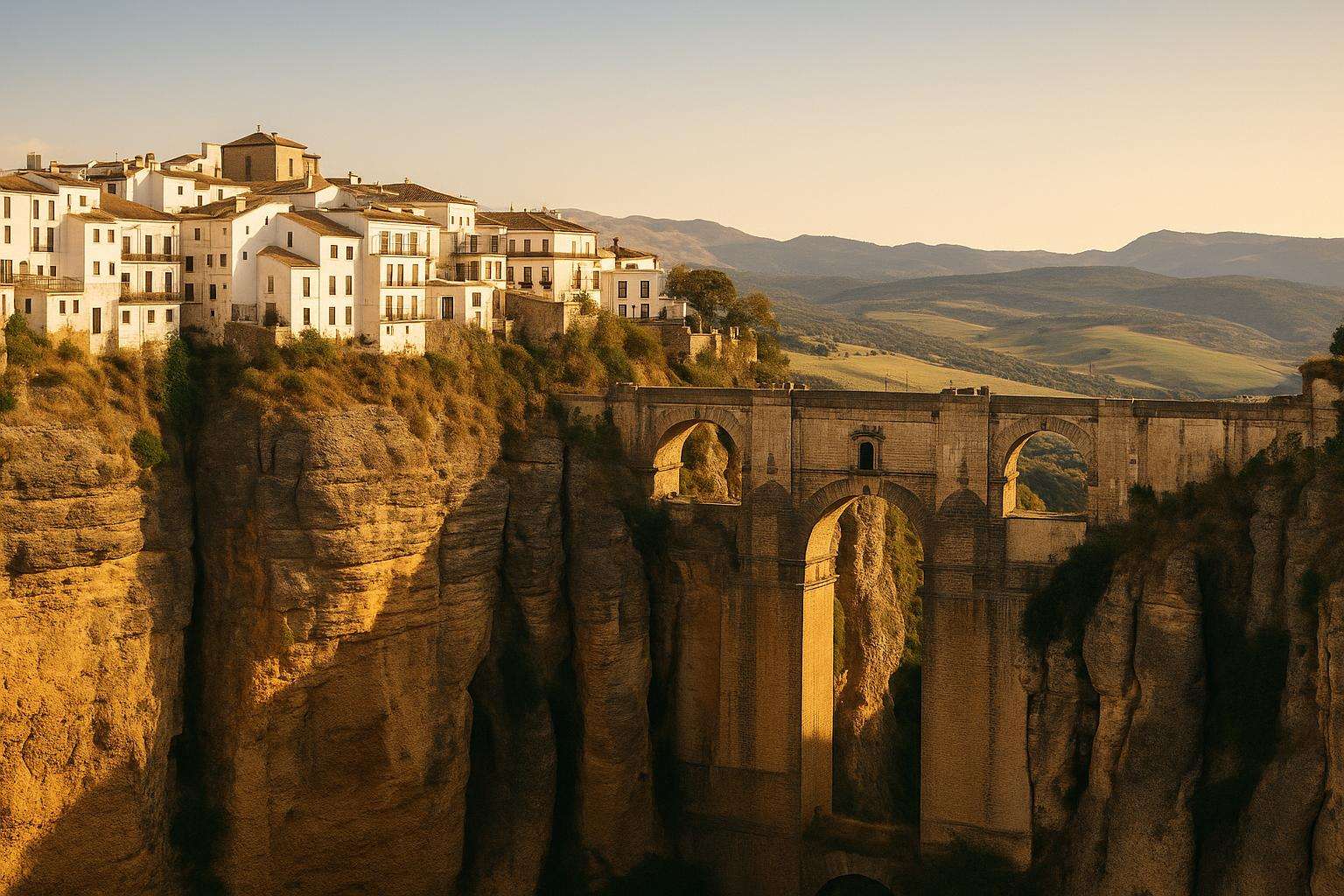
Spain is one of Europe's most rewarding honeymoon countries precisely because it is not one destination but several, each with a distinct romance, and because its high-speed rail network stitches them together so efficiently that couples can experience two or three worlds in a single trip without ever renting a car in a city. This guide is built around the three regions that most reward a honeymoon: Gaudi's Barcelona on the Mediterranean, the Moorish heritage and white villages of Andalusia, and the food-obsessed Basque Country in the north. Here is how to combine them, what anchors each, and how to route the trip.
Barcelona: architecture and the Mediterranean
Barcelona is the ideal opening act — a city that pairs beach-town ease with some of the most extraordinary architecture on earth. Antoni Gaudi's masterworks, including the still-rising Sagrada Familia, the mosaic terraces of Park Guell, and the undulating Casa Batllo, are collectively inscribed as a UNESCO World Heritage site, per the Works of Antoni Gaudi listing. Beyond Gaudi, the medieval lanes of the Gothic Quarter, the Picasso Museum, the food halls of La Boqueria, and the sand of Barceloneta give couples a genuinely varied few days. Book Sagrada Familia tickets well ahead, dine late as the locals do, and consider a day trip to the wine country of Penedes (cava) or the monastery of Montserrat. Three or four nights is the right amount before moving on.
Andalusia: Moorish palaces and white villages
The south is Spain at its most sensual and historic. Seville makes the best base: its Real Alcazar, a still-used royal palace of dazzling Mudejar craftsmanship and jasmine-scented gardens, is one of the country's most romantic interiors, as the Real Alcazar's official site details, and the city's cathedral, Giralda tower, and the Plaza de Espana are all within an evening stroll. Seville is also the home of flamenco; an intimate tablao performance is an essential honeymoon night.
From Seville, Andalusia opens up. Cordoba's Mezquita — a vast mosque-cathedral of red-and-white arches — is a 45-minute train ride away. And Ronda, dramatically split by a deep gorge and spanned by the towering Puente Nuevo bridge, is the most cinematic of the white hill towns (pueblos blancos); Spain's official Ronda guide captures its clifftop drama. For couples who want beach time, Marbella on the Costa del Sol adds glamorous Mediterranean resort life, marina dining, and the charming old town of its namesake — a natural place to slow down for a couple of nights before or after the cultural circuit. Give Andalusia three or four nights, using Seville as the hub and adding a Ronda or Marbella extension.
Basque Country: the food capital
The green, Atlantic-facing north is a different Spain entirely — cooler, lusher, and, for many travelers, the culinary high point of the whole country. San Sebastian (Donostia) has one of the highest densities of Michelin stars per capita on the planet, per the MICHELIN Guide's San Sebastian listing, anchored by legendary tables like Arzak and Akelarre. But the everyday magic is the pintxo culture: couples move bar to bar through the Parte Vieja (Old Town), ordering intricate small bites — gildas, txistorra, bacalao montaditos — with a glass of txakoli at each. Beyond the food, San Sebastian is also a beautiful crescent beach city (La Concha), and nearby Bilbao adds Frank Gehry's titanium-clad Guggenheim. Two or three nights here is the perfect, indulgent finale — and it sits close to the Rioja wine region for an optional day of cellar visits.
How the regions compare
| Region | Base city | Signature draw | Best for |
|---|---|---|---|
| Catalonia | Barcelona | Gaudi architecture, beaches, cava | Architecture and coastal energy |
| Andalusia | Seville | Alcazar, flamenco, Ronda, Costa del Sol | Moorish heritage, white villages, beach add-on |
| Basque Country | San Sebastian | Pintxos, Michelin tables, La Concha beach | Food-first couples, cooler climate |
Bottom line: Build the honeymoon around two or three of these regions linked by high-speed rail. Barcelona for architecture and the sea, Andalusia (Seville plus Ronda or Marbella) for heritage and drama, and San Sebastian for the best food in Spain. Do not overstuff the itinerary — depth beats breadth.
Getting around and the rail advantage
The single best logistical decision for a Spain honeymoon is to travel between cities by train rather than by car or plane. Renfe's AVE high-speed network links Barcelona, Madrid, Cordoba, Seville, and Malaga in a few hours each, arriving in central stations and sparing you airport transfers and urban parking; the Renfe site handles English bookings, and buying early unlocks cheaper advance fares. Reach the Basque Country by AVE to a northern hub or by a scenic regional connection. Rent a car only for rural Andalusia — the pueblos blancos, Ronda, and sherry country around Jerez — and return it before your next city stay. City centers are eminently walkable, and Spain's late dining rhythm (dinner rarely before 9 p.m.) is part of the romance.
A sample 10-day route
Days 1–4: Barcelona, for Gaudi, the Gothic Quarter, a Penedes cava day, and beach evenings. Day 4: AVE south. Days 5–7: Seville as a base — the Alcazar, a flamenco night, and day trips to Cordoba's Mezquita and clifftop Ronda. Optional: two nights in Marbella for Costa del Sol beach time. Days 8–10: Train north to San Sebastian for a pintxos crawl, a Michelin dinner, La Concha beach, a Bilbao Guggenheim day, and an optional Rioja cellar visit before flying home from Bilbao or Madrid.
A few honest planning notes: Andalusia's summer heat is real, so favor May, June, or October for the south; book marquee restaurants and Sagrada Familia far in advance; and resist adding a fourth or fifth region — the pleasure of a Spain honeymoon is in lingering over long lunches and late dinners, not sprinting between stations. Traveled at Spain's own unhurried pace, this route delivers architecture, history, coastline, and some of the best food in the world at a value that few European honeymoons can match.
Frequently asked
How should we structure a Spain honeymoon across regions?
Spain rewards a multi-region honeymoon because its three most romantic areas are very different and are efficiently linked by high-speed rail. A popular ten-day structure is three or four nights in Barcelona for architecture and Mediterranean energy, three or four in Andalusia (Seville as a base, with day trips to Cordoba and Ronda) for Moorish heritage and white villages, and two or three in the Basque Country (San Sebastian) for the food. You can reorder based on your arrival city. The key is not to spread yourself across too many stops; two or three regions done well beats five rushed cities. Renfe's AVE trains connect the major hubs in a few hours, so you avoid domestic flights entirely.
Is Barcelona or Madrid better for a honeymoon?
For most honeymooners, Barcelona has the edge, because it combines a beach city's relaxed energy with world-class architecture and dining in a compact, walkable setting. Antoni Gaudi's Sagrada Familia, Park Guell, and Casa Batllo — collectively a UNESCO World Heritage site — give the city a romantic, dreamlike character, and the Gothic Quarter and the beaches of Barceloneta add range. Madrid is grander, more classically Spanish, and unbeatable for art (the Prado, Reina Sofia) and nightlife, but it lacks the sea and the singular architecture. If your honeymoon is architecture-and-coast focused, choose Barcelona; if it is art, culture, and city energy focused, Madrid works well, and it is a superb gateway to Andalusia by high-speed train.
When is the best time for a Spain honeymoon?
The shoulder seasons — late spring (May and June) and early autumn (September and October) — are ideal across all three regions: warm but not scorching, with fewer crowds than the July-August peak. Andalusia is the main caveat, because Seville and Cordoba can exceed 40 degrees Celsius in high summer, making May, early June, and October far more comfortable for exploring palaces and white villages on foot. The Basque coast is cooler and greener year-round and is loveliest June through September. Barcelona is pleasant most of the year but crowded in summer. Avoid mid-August, when many local restaurants close for holidays and the heat peaks inland.
Do we need a car in Spain, or is the train enough?
For the main cities, the train is not just enough — it is better. Renfe's AVE high-speed network links Barcelona, Madrid, Seville, Cordoba, and Malaga in a few hours each, and city centers are walkable, so a car is a liability in urban areas where parking and low-emission zones are strict. A rental car becomes worthwhile only for exploring rural Andalusia at your own pace — the white villages (pueblos blancos), Ronda, and the sherry country around Jerez — or for the Rioja wine region. A good compromise is to travel between cities by train and rent a car for two or three days of countryside touring, returning it before the next city stay.
How much does a Spain honeymoon cost?
Spain offers excellent value relative to France or Italy. A comfortable ten-day multi-region honeymoon using well-located four-star and boutique hotels, high-speed trains, and a mix of casual and special-occasion dining typically runs 4,500 to 8,500 US dollars per couple excluding international airfare. The luxury tier climbs with parador and five-star stays, private tours, and marquee restaurants — a single tasting menu at a top Basque or Barcelona table can run well over 300 euros per person before wine. Marbella's beachfront resorts push costs higher in summer. Traveling in shoulder season, booking AVE trains early for advance fares, and balancing one or two splurge meals against everyday Spanish dining keeps the budget reasonable while still feeling indulgent.
What is a pintxos crawl and why is San Sebastian famous for food?
A pintxos crawl is the Basque Country's elevated take on tapas: rather than sitting for one meal, couples move from bar to bar in San Sebastian's Old Town, ordering one or two small, intricate bites and a glass of txakoli or cider at each. Gildas (anchovy, olive, and pickled pepper), txistorra sausage, and bacalao montaditos are classics. San Sebastian is celebrated because it has one of the highest densities of Michelin stars per capita on earth, anchored by legendary tables like Arzak and Akelarre, alongside the informal pintxo bars that pioneered the genre. A guided crawl with a local is the best entry point; the food scene is the single strongest reason to include the Basque Country in a Spain honeymoon.