Destinations
Tulum vs. Los Cabos: Which Mexico Honeymoon Fits Your Couple
Two of Mexico's best honeymoon coasts, two opposite moods. Tulum is jungle-boho romance with cenotes and Caribbean beach; Los Cabos is polished five-star desert-meets-sea luxury on the Baja Pacific. Here is how to choose.
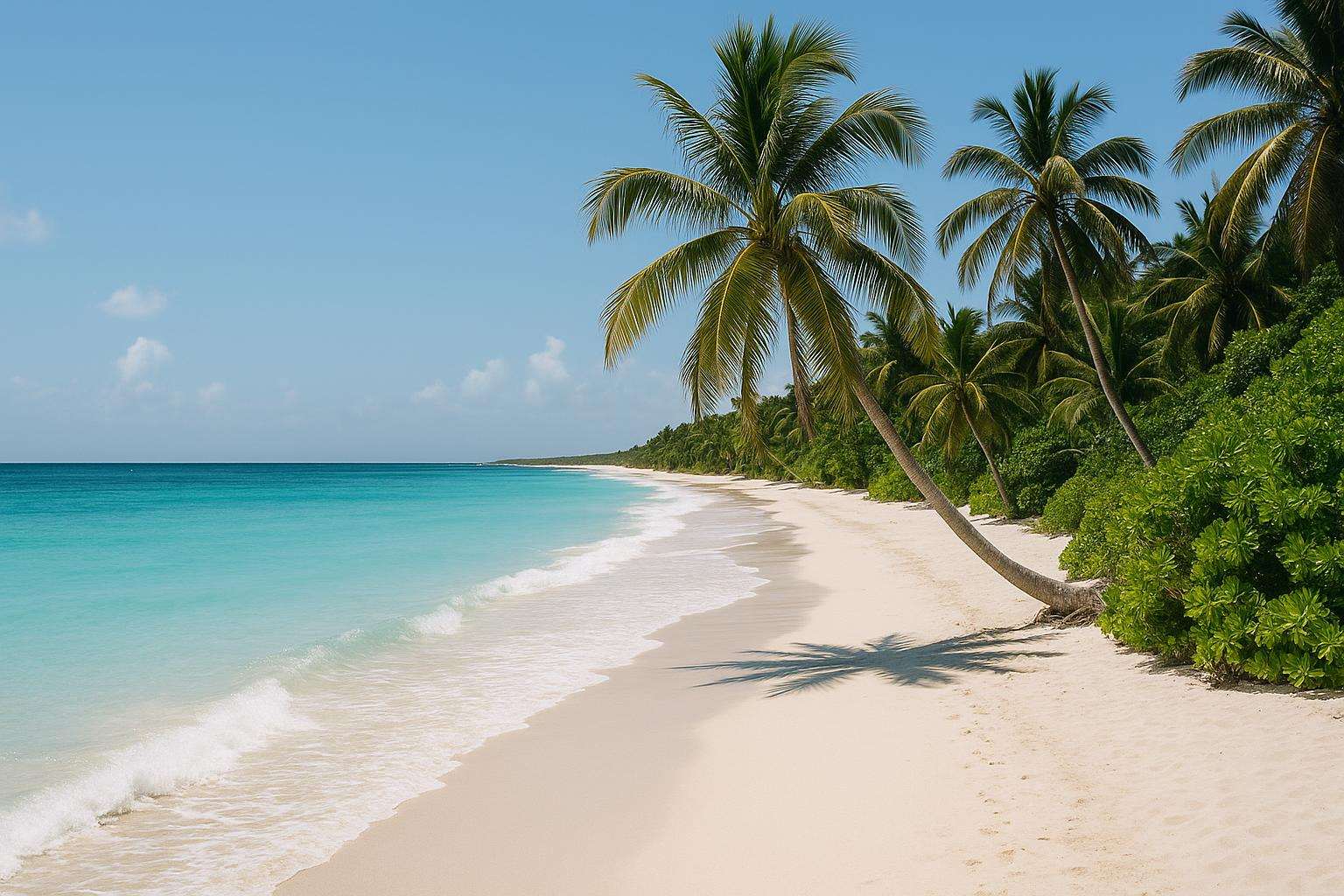
Mexico offers more than one great honeymoon coast, and two of the best sit on opposite shores with opposite personalities. Tulum, on the Caribbean Riviera Maya, is barefoot and bohemian: thatched eco-villas over turquoise water, jungle cenotes, coastal Maya ruins and a deep wellness culture. Los Cabos, at the tip of Baja California where the Sea of Cortez meets the Pacific, is polished and dramatic: desert cliffs, sleek five-star resorts, whale-watching and infinity pools over the sea. Choosing between them is really a question of what your couple wants a honeymoon to feel like.
The vibe: boho seclusion vs. polished drama
Tulum's aesthetic is rustic-chic. The beach zone is a strip of design-forward eco-hotels — hand-crafted, candlelit, wellness-oriented — where the point is sand-between-your-toes seclusion and a slow, spiritual rhythm. The benchmark eco-boutique property, Azulik, is a treehouse-style adults-only resort on South Tulum Beach with private outdoor tubs and a Maya spa; it tracks recent booked rates roughly in the $291 to $448 range. Be clear-eyed, though: Tulum has grown busy and, in places, over-commercialized, and the beach road can feel crowded and expensive in peak season.
Los Cabos is the opposite register — internationally refined resort luxury. The Corridor between Cabo San Lucas and San José del Cabo hosts a concentration of five-star properties unrivaled in Mexico, led by adults-oriented icons like Las Ventanas al Paraíso, A Rosewood Resort, where rooms typically start above $800 per night in peak season. The mood is service-driven, cinematic and grown-up rather than barefoot.
Beaches and the honest trade-offs
This is where both destinations demand honesty. Tulum's Caribbean beaches are genuinely stunning — powder-white sand, turquoise water — and mostly swimmable, but they face a seasonal sargassum seaweed problem from roughly April through November, when floating seaweed washes ashore; better hotels deploy floating barriers and clear the beach daily, so your choice of property matters.
Los Cabos has its own caveat: many of its Pacific-facing beaches have powerful currents and are not safe for swimming. The swimming happens in protected coves, at Lovers Beach (Playa del Amor, reached by water taxi), or in resort pools and the calmer Sea of Cortez side. Neither destination is a flawless swim-anytime beach; confirm swimmability with your specific resort before you book.
Signature experiences
The two coasts offer almost no overlap, which makes the decision easier once you know what excites you. Tulum's signatures are freshwater and cultural: the cenotes — surreal crystal-blue cave pools like Gran Cenote and Dos Ojos, entry roughly $18 to $30 — the clifftop Maya ruins overlooking the sea, and the Sian Ka'an UNESCO Biosphere Reserve for lagoon floats and wildlife.
Los Cabos's signatures are marine and desert: humpback whale-watching from December through March (often visible from resort terraces), sport-fishing charters from the Cabo San Lucas marina, the iconic El Arco rock arch at Land's End, and desert-to-sea ATV tours. The Riviera Maya's official destination guide is a useful starting point for the Tulum side's cultural and natural sites.
Side-by-side comparison
| Factor | Tulum | Los Cabos |
|---|---|---|
| Vibe | Boho, wellness, barefoot Caribbean | Polished five-star, desert-meets-sea |
| Signature draw | Cenotes, Maya ruins, Sian Ka'an | Whales, El Arco, sport fishing |
| Beach caveat | Seasonal sargassum (Apr–Nov) | Many Pacific beaches unsafe to swim |
| Ultra-luxury 7-night (couple) | Boutique ~$2,800–$4,200 | All-inclusive ~$5,500–$8,000+ |
| Best season | Dry Dec–Apr (least seaweed) | Dec–Mar (whales + weather) |
| Best for | Rustic-chic, culture, cenotes | Refined service, scenery, marine life |
Cost tiers
Per couple for seven nights: ultra-luxury all-inclusive (Grand Velas Los Cabos, Las Ventanas, El Dorado Maroma) runs roughly $5,500 to $8,000+; boutique mid-luxury (Azulik and comparable Tulum eco-villas) about $2,800 to $4,200; and budget boutique around $1,500 to $2,200. As a rule, Tulum's boutique tier sits below Cabo's polished five-stars, so budget-conscious couples chasing a design-hotel honeymoon often lean Tulum, while those prioritizing service and infrastructure lean Cabo. Peak December-through-April rates run 40 to 60 percent above summer at both.
Factor in the extras, too, because they tilt the real total. On the Riviera Maya, a Quintana Roo tourist tax adds a small per-person fee, private airport transfers from Cancun to the Tulum area run roughly $65 to $120 round-trip, and cenote entries and guided ruin day-trips are modest add-ons. In Los Cabos, the resorts are more self-contained, but whale-watching excursions ($80 to $120 per person in season) and sport-fishing charters (from around $300 per person for shared boats) are the experiences you'll actually want to pay for. Ultra-luxury properties on either coast book up 12 or more months ahead for preferred suites over the holiday peak, so lock in early if your dates are fixed.
The verdict
Picture your ideal honeymoon morning. If it is a swim in a jungle cenote followed by a candlelit dinner on the sand, book Tulum — accept the crowds and the sargassum timing, and choose your hotel with care. If it is a whale spouting off your terrace before a five-star breakfast above the Sea of Cortez, book Los Cabos — and rely on coves and pools rather than the surf. Both are among Mexico's finest honeymoon coasts; the only wrong choice is the one that doesn't match the couple you are.
Frequently asked
Tulum or Los Cabos — which is more romantic for a honeymoon?
They are romantic in opposite ways. Tulum is barefoot, bohemian and jungle-meets-Caribbean: thatched-roof eco-villas, candlelit beach dinners, cenote swims and a wellness-and-yoga culture. Los Cabos is polished, dramatic and five-star: desert cliffs meeting the Sea of Cortez, sleek adults-oriented resorts, and infinity pools over the water. If your idea of honeymoon romance is rustic-chic seclusion with sand between your toes, choose Tulum; if it is refined luxury service with cinematic desert-and-ocean scenery, choose Los Cabos.
How much does a Tulum or Los Cabos honeymoon cost?
For a seven-night honeymoon per couple, ultra-luxury all-inclusive stays (Grand Velas Los Cabos, Las Ventanas, El Dorado Maroma) run roughly $5,500 to $8,000+; boutique mid-luxury (Azulik and similar Tulum eco-villas) about $2,800 to $4,200; and budget boutique around $1,500 to $2,200. Tulum's boutique hotels generally sit below Cabo's polished five-stars: Azulik tracks nightly rates with recent booked lows around $291 and highs near $448, while top Los Cabos rooms typically start above $800 per night in peak season. Peak December-through-April rates run 40 to 60 percent above summer pricing at both.
Which has better beaches for swimming?
It is a genuine trade-off. Tulum's Caribbean beaches are postcard-perfect — powder-white sand and turquoise water — and generally swimmable, but they face a seasonal sargassum-seaweed problem from roughly April through November, when floating seaweed can wash ashore; better hotels deploy barriers and daily clearing. Los Cabos has dramatic scenery but a swimming caveat of its own: many of its Pacific-facing beaches have strong currents and are not safe for swimming, so you rely on protected coves, Lovers Beach or resort pools. Confirm swimmability with your specific resort before booking either.
What are the signature experiences at each destination?
Tulum's signatures are the cenotes — the crystal-blue freshwater cave pools of the Riviera Maya such as Gran Cenote and Dos Ojos — plus the clifftop Maya ruins on the coast and the Sian Ka'an UNESCO biosphere for lagoon and wildlife tours. Los Cabos's signatures are marine and desert: humpback whale-watching from December through March, sport-fishing charters out of the Cabo San Lucas marina, the iconic El Arco rock arch at Land's End, and desert-to-sea ATV or camel tours. The two destinations barely overlap in what they offer, which is why the choice comes down to what excites you.
When is the best time to visit Tulum or Los Cabos?
Both share a December-through-April high season with the best weather — dry, sunny and comfortable — and the highest prices, 40 to 60 percent above summer. For Los Cabos, that window also overlaps humpback whale season (December to March), a strong reason to go then. For Tulum, the dry season also avoids the worst of the April-to-November sargassum. Summer brings heat, humidity and hurricane-season risk on the Caribbean side, offset by lower rates. Shoulder months like May and November can offer a decent balance of price and conditions at both.
Is Tulum still worth it given its crowds and development?
Honestly, Tulum has changed — it evolved from a backpacker village into a busy, sometimes over-commercialized scene, and the beach road can feel crowded and pricey in high season. But the core appeal survives: gorgeous Caribbean beach, world-class cenotes, coastal Maya ruins and genuine wellness culture, especially if you choose your hotel carefully and time your trip for the dry season. If you want pristine seclusion above all, look at quieter Riviera Maya stretches or Cabo; if you want that specific jungle-boho-Caribbean energy, Tulum still delivers it better than anywhere.