Experiences
Adventure Honeymoon Guide: Patagonia, Iceland & New Zealand for Active Couples
The three wilderness honeymoons that reward couples who would rather trek, kayak and glacier-walk than lie on a beach — with real lodge costs, seasons and honest logistics.
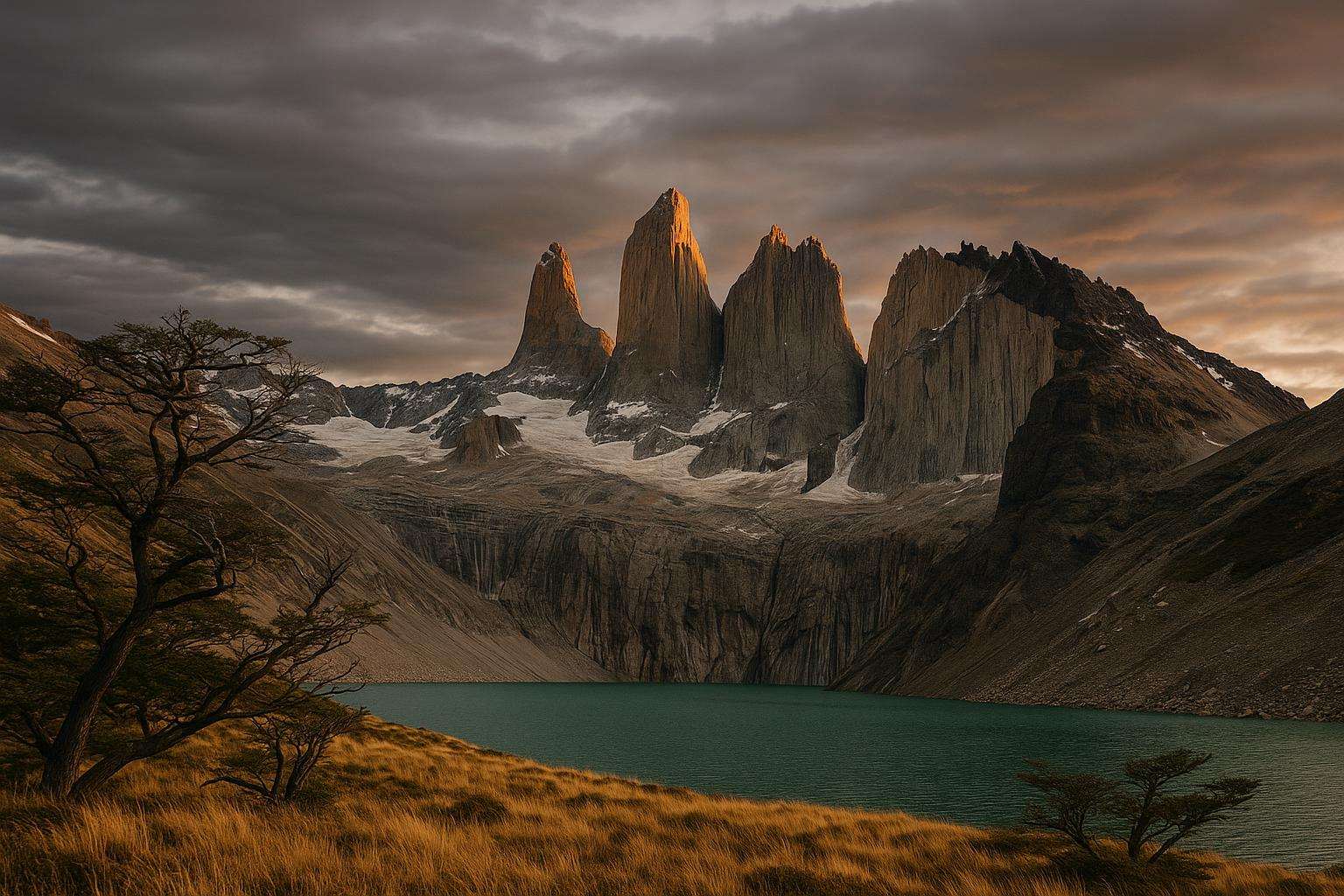
Some couples cannot imagine spending their honeymoon horizontal on a lounger. If your idea of romance involves cold clear air, a summit you earned, and a lodge you reach by charter flight rather than airport shuttle, this guide is for you. After years of routing active couples through the world's wildernesses, I keep returning to the same three answers: Patagonia, Iceland and New Zealand. Each delivers a categorically different kind of adventure honeymoon, and choosing between them is mostly a question of what kind of effort makes you happy.
Patagonia: the honeymoon for serious trekkers
Patagonia — the shared southern extreme of Chile and Argentina — offers the most monumental wilderness of the three. Granite towers, calving glaciers, electric-blue lakes and wind-scoured steppe combine into scenery no beach can rival. This is the choice for couples who want the trip to feel like an expedition.
The centerpiece is Torres del Paine in Chile, whose namesake granite towers anchor the region's best hiking. The signature day efforts are the French Valley trek and the walk to the base of the towers; across the border in Argentina, El Chaltén's Laguna de los Tres trail — a 22-kilometre round trip to the foot of Mount Fitz Roy — is widely rated one of the finest day hikes in South America.
Logistics are the reason most couples book a lodge rather than DIY here. Explora Hotels is the definitive all-inclusive operator, folding every meal, the bar, guided explorations, park fees and inter-lodge private transfers into one price. An eight-night Explora program across Torres del Paine and El Chaltén starts from about $9,196 per person double occupancy; a twelve-night full circuit from roughly $15,386 per person, as of 2026. Explora's honeymoon benefit gives a 50% discount for one partner, valid up to six months post-wedding and applying to Patagonia properties April through October.
For maximum privacy, Awasi Patagonia, a Relais & Châteaux property with just 14 villas, assigns each couple a private guide and 4WD — a fully independent model that starts around $3,300 per person for a four-night shoulder-season stay. Budget-minded couples can trade the lodge for EcoCamp Patagonia's geodesic domes, roughly $1,645 to $4,495 per person depending on season.
The honest tradeoff: Patagonia's weather is genuinely unpredictable and the wind is relentless in peak summer. You may hike to a viewpoint and see only cloud. The lodges are expensive, and reaching them requires long-haul flights plus a domestic hop. But no other honeymoon delivers this scale of raw wilderness — and the all-inclusive lodges remove nearly all the friction.
Iceland: geothermal drama with a gentle learning curve
Iceland is the most accessible of the three for couples of mixed fitness, and the most compressible in time. In a single week of driving the Ring Road you can move through volcanic fields, black-sand beaches, glacier tongues, waterfalls and geothermal spas — most reached by short walks rather than multi-hour treks.
The obvious set piece is the Blue Lagoon, 15 minutes from Keflavík airport, whose silica-rich geothermal seawater sits at a steady 38°C. Admission for 2026 runs across three tiers — Comfort (about $96 per person), Premium (about $121) and Signature (about $149) — with dynamic pricing that shifts by date and session, so advance booking is mandatory in summer and Northern Lights season. Couples wanting a full stay can book the on-site five-star Retreat Hotel's Romantic Getaway package.
Beyond the lagoon, an Iceland adventure honeymoon layers in guided glacier hikes and ice-cave tours (scalable to any ability), whale watching from Húsavík, and — for those who want a real trek — the summer-only Laugavegur route. Summer delivers the Midnight Sun; October through March opens the window for the Northern Lights. The great advantage is control: you can dial the physical intensity up or down day by day, and a rental car is worth more than raw fitness.
New Zealand: the best balance of soft and hard adventure
If Patagonia is the trekker's honeymoon and Iceland the geothermal road trip, New Zealand is the all-rounder. The South Island alone offers Fiordland's Milford and Doubtful Sounds — cruised or, better, kayaked — the multi-day Milford and Routeburn Tracks for committed hikers, glacier heli-hikes on the West Coast, and the adrenaline capital of Queenstown for couples who want bungee jumps and jet boats between the calmer days.
What makes New Zealand ideal for honeymooners is its rhythm: you can pair a hard day (the Tongariro Alpine Crossing, a glacier hike) with a soft one (a Central Otago or Marlborough wine day, a lakeside spa afternoon) without ever leaving a compact, well-serviced country. The North and South Islands give you two distinct trips — geothermal Rotorua and coastal Bay of Islands north, alpine and fjord wilderness south — inside one visa and one time zone. New Zealand's Southern Hemisphere summer (roughly December to March) is peak; the shoulder months are quieter and still highly walkable.
How to choose between them
| Factor | Patagonia | Iceland | New Zealand |
|---|---|---|---|
| Best for | Serious trekkers | Mixed fitness, road-trippers | All-rounders |
| Physical intensity | High | Low–moderate (scalable) | Low–high (fully scalable) |
| Peak season | Dec–Feb (Oct–Apr window) | Jun–Aug summer; Oct–Mar auroras | Dec–Mar |
| Signature experience | Base of the towers / Fitz Roy | Blue Lagoon + glacier hike | Milford Sound + Great Walks |
| Lodging model | All-inclusive expedition lodges | Self-drive hotels + spa stays | Boutique lodges + self-drive |
| Rough couple budget (land only) | $$$$ ($18k–$40k+) | $$ ($6k–$14k) | $$$ ($10k–$20k) |
My advice: don't try to combine two of these on one honeymoon. Each is a long-haul, self-contained journey that deserves its full time budget, and Patagonia and New Zealand — despite overlapping Southern Hemisphere seasons — sit on opposite sides of the Pacific. Pick the wilderness that matches the effort you actually enjoy, and save the others for a milestone anniversary trip down the road. For a wildlife-forward alternative to pure trekking, an African safari honeymoon offers a very different but equally active kind of adventure.
Frequently asked
What is the best adventure honeymoon for active couples?
It depends on the kind of effort you enjoy. Patagonia is the choice for couples who want big, cinematic trekking — full-day hikes to the base of granite towers, glaciers you can walk on, and remote all-inclusive lodges. Iceland suits couples who prefer variety over sustained physical effort: geothermal bathing, waterfall hikes, ice caves and self-driving the Ring Road. New Zealand is the most balanced — the Milford Track, Fiordland kayaking and alpine day hikes on the South Island paired with easy vineyard days. If you want the single most jaw-dropping wilderness, choose Patagonia; if you want the most flexible mix of soft and hard adventure, choose New Zealand.
How much does a Patagonia honeymoon cost?
Patagonia's luxury lodges are the main cost. An eight-night Explora program across Torres del Paine and El Chaltén starts from about $9,196 per person, double occupancy, and a twelve-night full circuit from roughly $15,386 per person, with meals, guides, park fees and inter-lodge transfers included, as of 2026. Awasi Patagonia, the most private option with a dedicated guide and 4WD per villa, starts around $3,300 per person for a four-night shoulder-season stay. EcoCamp Patagonia's geodesic-dome glamping is far cheaper, roughly $1,645 to $4,495 per person depending on season. Add international airfare to Santiago or Buenos Aires plus a domestic flight to Punta Arenas or El Calafate.
When is the best time to go to Patagonia for a honeymoon?
Patagonia's season runs October through April, the austral spring and summer. December through February brings the warmest, longest days but also the heaviest crowds and the region's notoriously fierce winds. Shoulder months — October to November and March to April — offer better lodge availability, calmer winds and softer light for photography, at the cost of cooler temperatures and shorter days. Explora's honeymoon benefit, a 50% discount for one partner, applies to Patagonia properties April through October, so a late-March or early-April trip can pair good weather with the discount window. Book luxury lodges six to twelve months ahead for peak dates.
Is Iceland a good honeymoon for couples who aren't hardcore hikers?
Yes — Iceland is arguably the easiest of the three adventure honeymoons to tailor to mixed fitness levels. The signature experiences are low-effort but high-reward: soaking in the geothermal Blue Lagoon (admission runs about $96 to $149 per person in 2026, dynamically priced), driving the Ring Road, visiting waterfalls like Seljalandsfoss and Skógafoss on short walks, and joining guided ice-cave or glacier-hike tours that scale to your ability. Serious hikers can add the Laugavegur trail or Landmannalaugar in summer, but nothing about an Iceland honeymoon demands multi-hour treks. It rewards curiosity and a rental car more than raw fitness.
Do we need to be very fit for a New Zealand adventure honeymoon?
Not necessarily — New Zealand scales beautifully. The Great Walks like the Milford Track are multi-day efforts for committed hikers, but most of the country's best adventure can be done as day trips: Fiordland cruises and kayaking in Milford or Doubtful Sound, glacier heli-hikes on the West Coast, the Tongariro Alpine Crossing for a single hard day, and wine days in Central Otago or Marlborough for recovery. Couples can also add adrenaline experiences around Queenstown — bungee, jet boats, canyon swings — at whatever intensity they want. A moderate fitness base makes the trip more enjoyable, but you can build a superb New Zealand honeymoon with only gentle walking.
Should we combine two of these destinations on one honeymoon?
Generally, no — each of these is a long-haul, self-contained trip that deserves its full time budget. Patagonia and New Zealand sit in the Southern Hemisphere with overlapping October-to-April seasons, but they are on opposite sides of the Pacific and combining them means punishing flights and a diluted stay in each. Iceland pairs more naturally with a European city stop than with the other two. The stronger move is to pick one wilderness now and save the others for future milestone trips — a fifth-anniversary or vow-renewal journey. If you must combine, New Zealand's North and South Islands already give you two very different trips within one country.