Experiences
Ayurvedic & Integrative Wellness Honeymoon Retreats in India
India's two benchmark Ayurvedic retreats sit at opposite ends of a spectrum — a strict palace clinic and a Himalayan spa resort. A root-cause look at which fits a honeymoon, with real programs, minimum stays and costs.
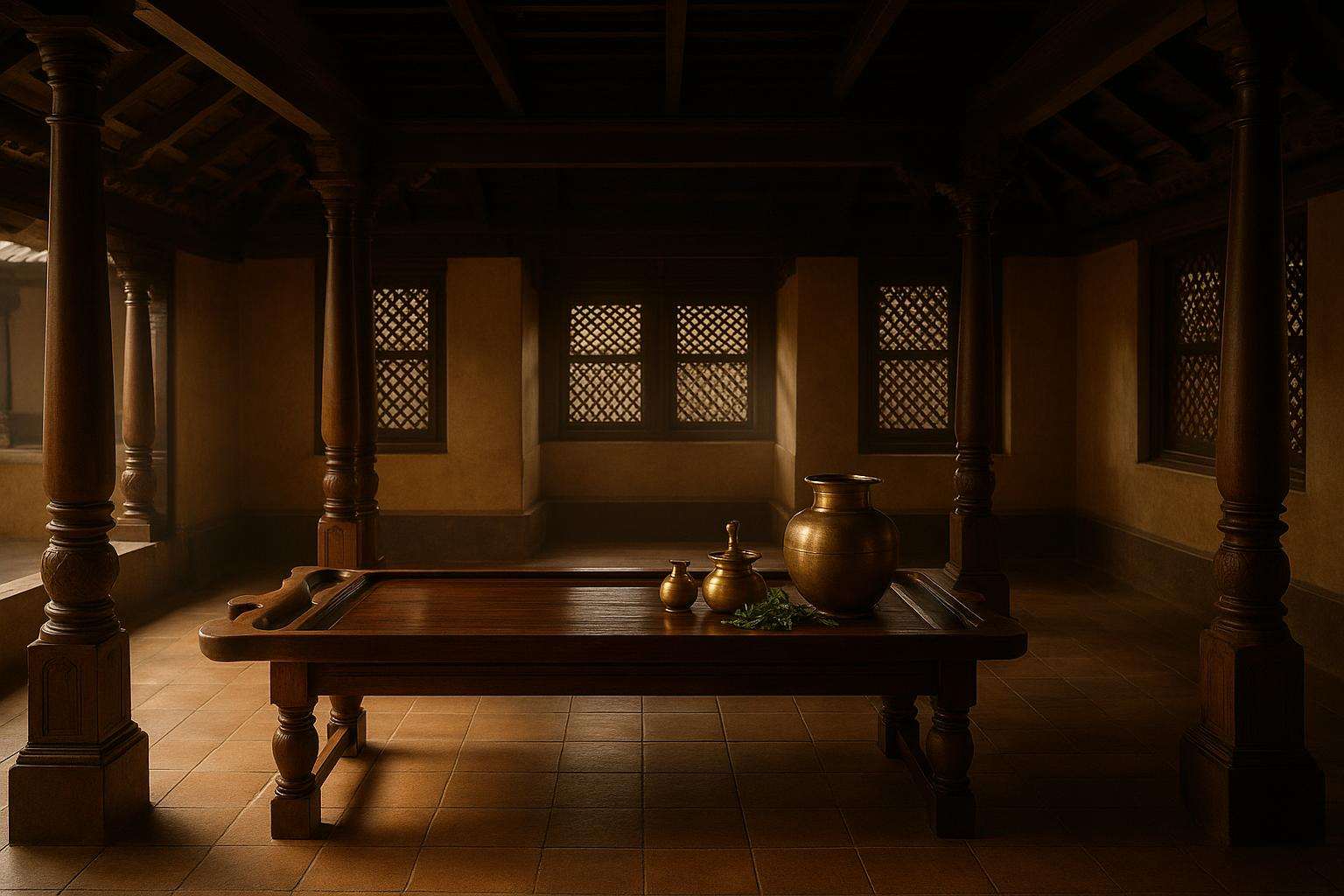
An Ayurvedic honeymoon is a particular kind of choice. It appeals to couples who find discipline romantic — who would rather begin married life with dawn yoga, a prescribed diet and a genuine physiological reset than with a swim-up bar. India's two most internationally recognised Ayurvedic retreats, Kalari Kovilakom in Kerala and Ananda in the Himalayas in Uttarakhand, occupy opposite ends of a spectrum: one a strict clinical palace experience, the other a luxury spa resort in a royal mountain setting. Both reward couples willing to commit to real Ayurvedic practice rather than a spa-holiday veneer. Here is how they differ, viewed through a functional-medicine lens.
Kalari Kovilakom: the purist's palace clinic
Kalari Kovilakom is a 200-year-old royal palace in Kollangode, Palghat District, Kerala — the former seat of the Vengunad kingdom — converted by the CGH Earth Group into what many practitioners call the most authentic Ayurvedic retreat in the world. The premise is uncompromising. On arrival you meet your vaidya, an Ayurvedic physician, for an extended constitutional consultation that yields a daily program of personalised Panchakarma therapies (Pizhichil, Swedanam, Kizhi, Sirodhara), a prescribed Kerala vegetarian diet, morning yoga and meditation, and strict lifestyle rules.
Those rules rule out partial compliance: coffee, tea, alcohol, cigarettes, meat, fish, eggs, bread, milk and sugar are neither served nor permitted. The minimum stay is 14 nights — which Ayurvedic physicians consider the floor for any measurable effect from classical Panchakarma, as specialist wellness agents note. With just 19 suites and 12 treatment rooms, it is among the most intimate world-class wellness destinations anywhere, and it holds NABH (National Accreditation Board for Hospitals & Healthcare Providers) certification, giving it clinical standing alongside regulated Indian healthcare providers.
Pricing reflects that medical character. The 14-night Manashanthi Chikitsa (stress management) program runs about $9,110 per person; the 21-night Panchakarma Rejuvenation and weight-management programs start near $12,069 per person; and the 28-night Rasayana Chikitsa (anti-aging and immunity) program starts around $14,406 per person — roughly $515 to $651 per night, all-inclusive of accommodation, consultations, treatments, prescribed diet, yoga and airport transfers. A 100% advance payment is required 45 days before arrival, and cancellations within 30 days forfeit the full amount, so this is a stay to commit to firmly.
Who it suits: Kalari Kovilakom is for couples who genuinely want the medicine, not the aesthetic of it — who can give up alcohol and coffee for two weeks and treat the honeymoon as a shared reset. If that sounds punishing rather than appealing, choose Ananda or a Thai wellness resort instead.
Ananda in the Himalayas: gentler integrative wellness
Ananda in the Himalayas offers a more accessible interpretation. Set in a former Maharaja's palace in Narendra Nagar, Uttarakhand, overlooking the Ganges valley about 250 km from Delhi near Haridwar and Rishikesh, it blends Ayurveda, yoga and Vedanta as core modalities with Western spa therapies, Traditional Chinese Medicine, emotional healing and fitness. Its 24 treatment rooms and 79-plus body and beauty treatments span classical Ayurveda and contemporary spa, and its physicians map treatments, yoga style, meditation method and diet to each guest's objectives and dosha profile.
Key programs include Ayurvedic Rejuvenation, Panchakarma, Detox, Stress Management, and a Women's Health & Fertility Enhancement track that addresses hormonal balance, menstrual health and fertility through Ayurveda and targeted nutrition — a program of particular relevance to couples thinking about future family life. From a functional-medicine perspective, that last program is notable for its root-cause framing: it works on hormonal dysregulation and reproductive health through diet, herbal medicine and lifestyle rather than defaulting to pharmaceutical intervention. Ananda was named Destination Spa of the Year by Condé Nast in 2024.
Pricing for 2025–2026: double-occupancy deluxe packages with comprehensive wellness programs start around $1,840 per night inclusive of accommodation, meals and treatments, with SpaDreams listing packages from $990. Ananda's summer 2026 offer provides up to 40% off all wellness programs for stays between 1 June and 31 July 2026. Note the logistics: the 250-km mountain drive from Delhi requires a private car transfer (usually resort-arranged) or a helicopter charter; Dehradun airport, 90 minutes away, serves limited flights from major Indian cities.
Comparing the two
| Factor | Kalari Kovilakom | Ananda in the Himalayas |
|---|---|---|
| Character | Strict clinical palace retreat | Luxury integrative spa resort |
| Location | Kerala (lowland palace) | Uttarakhand (Himalayan foothills) |
| Minimum stay | 14 nights | Flexible; shorter programs available |
| Diet/rules | Strict; no alcohol, coffee, meat, sugar | Flexible; program-guided |
| Approx. cost | ~$515–$651 pp/night (all-in) | From ~$1,840/night double, inclusive |
| Best for | Authentic Panchakarma commitment | Comfortable, gentler reset |
The functional-medicine view — and a caution
Both retreats sit within a healing tradition whose functional-medicine alignment is real: classical Panchakarma addresses accumulated toxins, or ama, through structured elimination therapies, a parallel to the detox and microbiome-rebalancing strategies integrative Western practitioners increasingly advocate. The emphasis on root causes — assessing constitution, then working through diet, herbs, sleep and lifestyle rather than symptom suppression — is exactly the framing many couples find missing in conventional care.
That said, outcomes are individual, and Ayurveda is not a substitute for evidence-based medical treatment of a diagnosed condition. Any couple managing an existing health issue or taking prescription medication should consult a qualified Ayurvedic or integrative physician before arrival. Remember, too, that the program is prescribed individually: both partners undertake their own dosha-based tracks even while sharing a suite. That is the quiet romance of an Ayurvedic honeymoon — two parallel personal journeys in one extraordinary place. This is editorial information for planning purposes, not medical advice.
Frequently asked
Is an Ayurvedic retreat a good idea for a honeymoon?
It can be, but honeymooners should go in with clear eyes. A genuine Ayurvedic retreat is a health commitment, not a spa holiday — expect early yoga, prescribed vegetarian diets, individual treatment programs, and at the strictest properties, no alcohol, coffee, meat or sugar. Couples who find shared discipline romantic, or who want to begin married life with a real reset, love it. Couples expecting cocktails and lie-ins will be disappointed. Both partners typically undertake separate programs based on their individual constitution, or prakriti, so it is less a shared indulgence than a parallel journey. If that framing appeals, an Ayurvedic honeymoon can be deeply meaningful; if not, choose a conventional wellness resort.
What is the difference between Kalari Kovilakom and Ananda in the Himalayas?
They sit at opposite ends of the spectrum. Kalari Kovilakom, a 200-year-old royal palace in Kerala run by CGH Earth, is the purist clinical experience: NABH-certified, with a 14-night minimum, a vaidya-prescribed Panchakarma program, and strict rules — no coffee, tea, alcohol, meat, fish, eggs, bread, milk or sugar. Ananda in the Himalayas, in a former Maharaja's palace in Uttarakhand above the Ganges valley, is a luxury spa resort that blends Ayurveda, yoga and Vedanta with Western spa therapies and more flexible stays. Choose Kalari for authentic, uncompromising Ayurvedic medicine; choose Ananda for a gentler, more comfortable integrative wellness experience with shorter minimums.
How much does an Ayurvedic honeymoon retreat in India cost?
At Kalari Kovilakom, the all-inclusive medical character shows in the pricing: the 14-night Manashanthi Chikitsa stress-management program runs about $9,110 per person, the 21-night Panchakarma Rejuvenation and weight-management programs start around $12,069 per person, and the 28-night anti-aging Rasayana Chikitsa program starts near $14,406 per person — roughly $515 to $651 per night, covering accommodation, all consultations, treatments, prescribed diet, yoga and transfers. At Ananda, double-occupancy deluxe packages with comprehensive wellness programs start around $1,840 per night inclusive; SpaDreams has listed packages from $990. Ananda's summer 2026 offer provides up to 40% off wellness programs for stays between June 1 and July 31, 2026.
How long do we need to stay at an Ayurvedic retreat for it to work?
Longer than most honeymooners expect. Kalari Kovilakom enforces a 14-night minimum, which Ayurvedic physicians consider the floor for any measurable physiological effect from classical Panchakarma — the body needs time for the sequenced elimination therapies to take effect. Ananda is more flexible, with meaningful programs available over shorter stays, though its Panchakarma and rejuvenation tracks also reward two weeks or more. If you only have a week, Ananda or a Thai wellness resort is a better fit than Kalari. Plan the retreat as the core of a longer India honeymoon, or accept that a genuine Ayurvedic reset needs the time it needs.
What is the functional-medicine case for an Ayurvedic honeymoon?
Ayurveda's classical Panchakarma addresses accumulated toxins, called ama, through structured elimination therapies — a framework that parallels the detoxification and microbiome-rebalancing strategies integrative Western practitioners increasingly advocate. Rather than treating symptoms, a vaidya assesses your constitution and works on root causes through diet, herbal medicine, sleep and lifestyle. Ananda's Women's Health and Fertility Enhancement program is a good example: it addresses hormonal dysregulation and reproductive health through nutrition, herbs and lifestyle rather than defaulting to pharmaceutical intervention — of real relevance to couples thinking about family life. Outcomes are individual, so anyone managing a health condition or taking prescription medication should consult a qualified integrative or Ayurvedic physician before arrival. This is editorial information, not medical advice.
Can couples do an Ayurvedic program together?
Couples can share a suite, but the program itself is prescribed individually. At Kalari Kovilakom the 19 suites accommodate double occupancy, yet each partner meets the vaidya for a personal constitutional consultation and follows a program tailored to their own prakriti, which usually differs between two people. Ananda works the same way, mapping treatments, yoga style, meditation method and diet to each guest's dosha profile and objectives. So the honeymoon romance here is less about shared spa treatments and more about undertaking parallel personal journeys in the same beautiful place — sharing meals, walks and evenings while each of you follows your own therapeutic path. Many couples find that framing more intimate, not less.