Experiences
Digital-Detox Honeymoon Resorts: Nihiwatu, Turtle Island Fiji & Amanyara
Three luxury properties where switching off is designed into the experience — by remoteness, by community, or by philosophy. Real rates, what disconnection actually feels like, and which suits you.
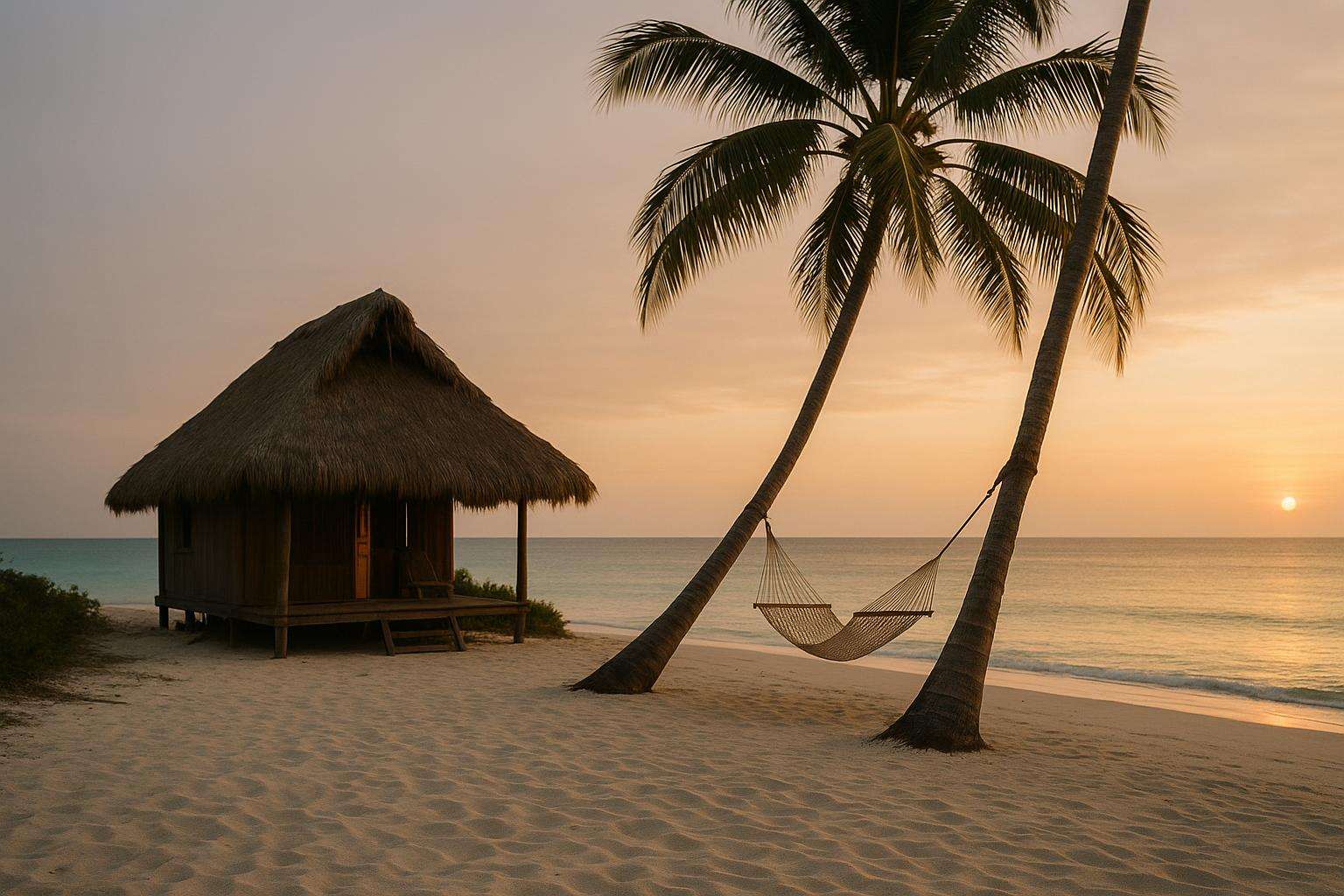
A growing number of couples now frame the honeymoon explicitly as a recovery from screen-mediated life — and book accordingly. The demand has produced a distinct luxury category: resorts where switching off is engineered into the product rather than left to willpower. Three properties are the reference points at the top of this market: NIHI Sumba in Indonesia, Turtle Island in Fiji, and Amanyara in Turks and Caicos. Each achieves disconnection a different way — by remoteness, by community, or by philosophy.
NIHI Sumba: disconnection by remoteness
NIHI Sumba, known until 2017 as Nihiwatu, is the standard-bearer — named Travel + Leisure's World's Best Hotel in two consecutive years, Indonesia's Best Hotel by Condé Nast Traveler in 2024, and ranked 10th on The World's 50 Best Hotels the same year. It occupies a 175-hectare estate on the remote south coast of Sumba Island, a short flight from Bali but culturally and ecologically a world apart, with 28 villas concealed in jungle, 2.5 kilometres of undeveloped beach, 33 Sumba ponies, the celebrated Occy's Left surf break, and a Nihi Oka spa-safari trail threading through the forest.
NIHI does not enforce a formal phone-confiscation policy. The detox effect is structural: the estate's scale, the absence of resort-wide screens, the immersive daily rhythm of surf, horses, spa and community-project visits, and the sheer remoteness of Sumba combine to make phone use feel culturally incongruous. The Putri Hillrise Villa is marketed explicitly as "designed for slowing down, switching off, and disappearing into nature."
Nightly rates for 2025–2026 start from about $2,783 to $2,846 per villa, all-inclusive of three meals, non-alcoholic beverages, a daily happy hour with domestic beer and wine, laundry, snorkelling, paddle boarding, yoga and community tours, exclusive of 21% government tax and service, per NIHI's published rates. Private round-trip transfers from Tambolaka Airport cost about $470 per couple; a five-night minimum is practical given the logistics.
Turtle Island Fiji: disconnection by community
Turtle Island, on Nanuya Levu in Fiji's Yasawa Islands, is a 500-acre family-owned private island with 14 beachfront bures serving no more than 28 couples at a time, except during its biannual family weeks. For most of the year it operates as a couples-only sanctuary — 12 private beaches, solar power, hand-crafted Fijian architecture, and a cultural program rooted in traditional Fijian values of community and respect.
As at NIHI, the digital-detox character is ambient rather than enforced. There are no televisions in the bures, and the intimacy of 14 couples sharing an island, combined with immersive Fijian hospitality, makes sustained phone engagement feel actively out of place. Guests consistently describe it as natural psychological disconnection. Travel + Leisure has named Turtle Island the #1 Resort in the South Pacific.
All-inclusive rates start from $2,550 per couple per night with a five-night minimum, covering accommodation, all meals and top-shelf beverages, and all activities — snorkelling, scuba diving, fishing, horseback riding, kayaking and cultural experiences — per Turtle Island's rates page. Its "Return Plan" locks in a fixed rate for a return stay within ten years, usable or transferable as a gift.
Amanyara: disconnection by philosophy
Amanyara sits within an 18,000-acre nature reserve on the North West Point Marine National Park in Providenciales, accessed only by a single track through the reserve — a design choice that signals the intended psychological shift before guests arrive. The Aman philosophy treats disconnection as implicit: its wellness immersions are contemplative rather than entertainment-led, the setting is quiet and ecologically immersive, and a high staff-to-guest ratio makes the experience feel private by default.
Amanyara's Wellness Immersions follow three structured pathways — Mindfulness and Stress Management, Weight Management and Transformation, and Detox and Cleansing — each fully customised, with a three-night minimum. Its signature Power of Nature Immersion uses movement, hydrotherapy, and sunlight-and-sea-air protocols to promote recovery and circadian regulation. Wellness immersions start from $3,200 per night. Of the three, Amanyara is the most accessible — Turks and Caicos is a direct flight from several US East Coast hubs — and the strongest choice for couples who want structured programming alongside their detox.
How to choose: NIHI Sumba for the most immersive, adventure-rich detox in genuine remoteness; Turtle Island Fiji for the warmest, most intimate community feel and the best-value inclusions; Amanyara for structured wellness and Caribbean proximity. All three are ultra-luxury bucket-list stays, not value picks.
Rates and reach, side by side
| Resort | Location | All-inclusive rate (2026) | Detox mechanism |
|---|---|---|---|
| NIHI Sumba | Sumba, Indonesia | From ~$2,783–$2,846/villa/night (+21% tax) | Remoteness + estate-scale activity |
| Turtle Island | Yasawa Islands, Fiji | From $2,550/couple/night (5-night min) | Private-island community; no TVs |
| Amanyara | Providenciales, Turks & Caicos | Wellness immersions from $3,200/night | Aman philosophy; structured programs |
Disconnecting without losing your recovery
Going phone-free does not mean neglecting your body's adjustment. A honeymoon is one of the most physiologically disruptive trips a couple takes — long-haul flights, new time zones, and high emotional expectation stacked together. You can manage all of that without a screen. The CDC's jet-lag guidance emphasises timed daylight exposure and, for some travellers, low-dose melatonin at destination bedtime — plus hydration, limiting alcohol on the first night, and keeping the room cool. None of that requires connectivity.
For safety, leave your full itinerary and the resort's contact details with family before you go dark, and keep a phone in the villa safe for genuine emergencies. The point of a digital-detox honeymoon is freedom from compulsive scrolling, not from all contact with the world. Handled that way, five to seven nights at any of these three properties can deliver the rarest luxury of all: two people, fully present, with nothing to answer to. This is general information for planning, not medical advice.
Frequently asked
Do these resorts actually ban phones?
Mostly, no — and that surprises couples. None of the three enforces a hard phone-confiscation policy. Instead, disconnection is engineered structurally. At NIHI Sumba, the 175-hectare estate's scale, the absence of resort-wide screens, and the immersive daily rhythm of surf, horses and spa make phone use feel culturally incongruous. Turtle Island Fiji removes televisions from its bures and seats no more than 28 couples on the island, so screen time feels out of place. Amanyara builds disconnection into its Aman philosophy — contemplative rather than entertainment-led programming, in an 18,000-acre reserve reached by a single track. The effect is real disconnection, but achieved by design and social cue rather than by rule.
How much does a digital-detox honeymoon at these resorts cost?
All three sit firmly in the ultra-luxury tier. NIHI Sumba's 2025–2026 all-inclusive rates start from about $2,783 to $2,846 per villa per night, covering three meals, non-alcoholic drinks, a daily happy hour, laundry, snorkelling, paddle boarding, yoga and community tours, plus 21% tax and service. Turtle Island Fiji starts from $2,550 per couple per night all-inclusive, with a five-night minimum, covering all meals, top-shelf beverages and every activity. Amanyara's wellness immersions start from $3,200 per night. Add long-haul airfare and transfers — NIHI's private round-trip transfer from Tambolaka is about $470 per couple, and Turtle Island requires a seaplane from Nadi. Budget generously; these are bucket-list, not value, stays.
Which digital-detox resort is best for a honeymoon?
It depends on what kind of disconnection you want. NIHI Sumba offers the most immersive and culturally rich detox — the remoteness is genuine, and estate-scale activities (surf, the celebrated Occy's Left break, horseback riding, the Nihi Oka spa safari) keep you fully occupied. Turtle Island Fiji is the warmest interpersonal environment, with just 14 couples sharing a private island in a tight Fijian community feel, plus the most value-inclusive pricing. Amanyara is best for couples who want structured wellness programming alongside their detox and who prefer Caribbean proximity over long-haul travel. Choose NIHI for adventure, Turtle Island for intimacy, Amanyara for structured calm.
How long should we stay for a real digital detox to work?
Plan for at least five nights, which is also the practical minimum at these properties given transfer logistics. Turtle Island Fiji formally requires a five-night minimum, and NIHI Sumba's remoteness makes five nights sensible. There is a physiological reason beyond logistics: sleep science documents a first-night effect, where the brain stays partly vigilant in an unfamiliar room, so the first two nights often underperform. It takes a couple of days for jet lag to fade and for the nervous system to genuinely downshift into rest. A five-to-seven-night stay lets the detox actually take hold rather than ending just as you relax. Shorter than that and you spend the whole trip in transition.
Are these resorts remote and hard to reach?
Yes, and that remoteness is part of the point. NIHI Sumba is on the remote south coast of Sumba Island in Indonesia — a short flight from Bali to Tambolaka, then a roughly one-hour private transfer costing about $470 per couple round trip. Turtle Island sits in Fiji's Yasawa Islands, reached by seaplane from Nadi, which is itself a long-haul flight from most of the world. Amanyara is the most accessible of the three, on Providenciales in Turks and Caicos with direct flights from several US East Coast hubs, then a drive through the North West Point reserve. Factor extra transfer time and cost into your itinerary, and book six to twelve months ahead.
Will disconnecting completely ruin our jet-lag recovery or safety?
No, if you plan sensibly. You can disconnect socially while still managing your body's recovery. The CDC notes jet lag is a circadian dysrhythmia that responds to timed light exposure and, for some, low-dose melatonin at destination bedtime. Getting outdoors in daylight, staying hydrated, limiting alcohol the first night and keeping the room cool all help — none of which requires a screen. For safety, tell family your itinerary and the resort's contact details before you go dark, and keep a phone available for genuine emergencies even if you leave it in the villa safe. The goal is freedom from compulsive scrolling, not from all communication. This is general information, not medical advice.