Experiences
France Culinary Honeymoon: Burgundy, Champagne & Provence Cooking Classes
Champagne's chalk crayères, Burgundy's grand-cru cellars, Provence cooking classes and two of Paris's most storied tables — a sequenced France culinary honeymoon with real 2026 prices and the reservations that must be locked first.
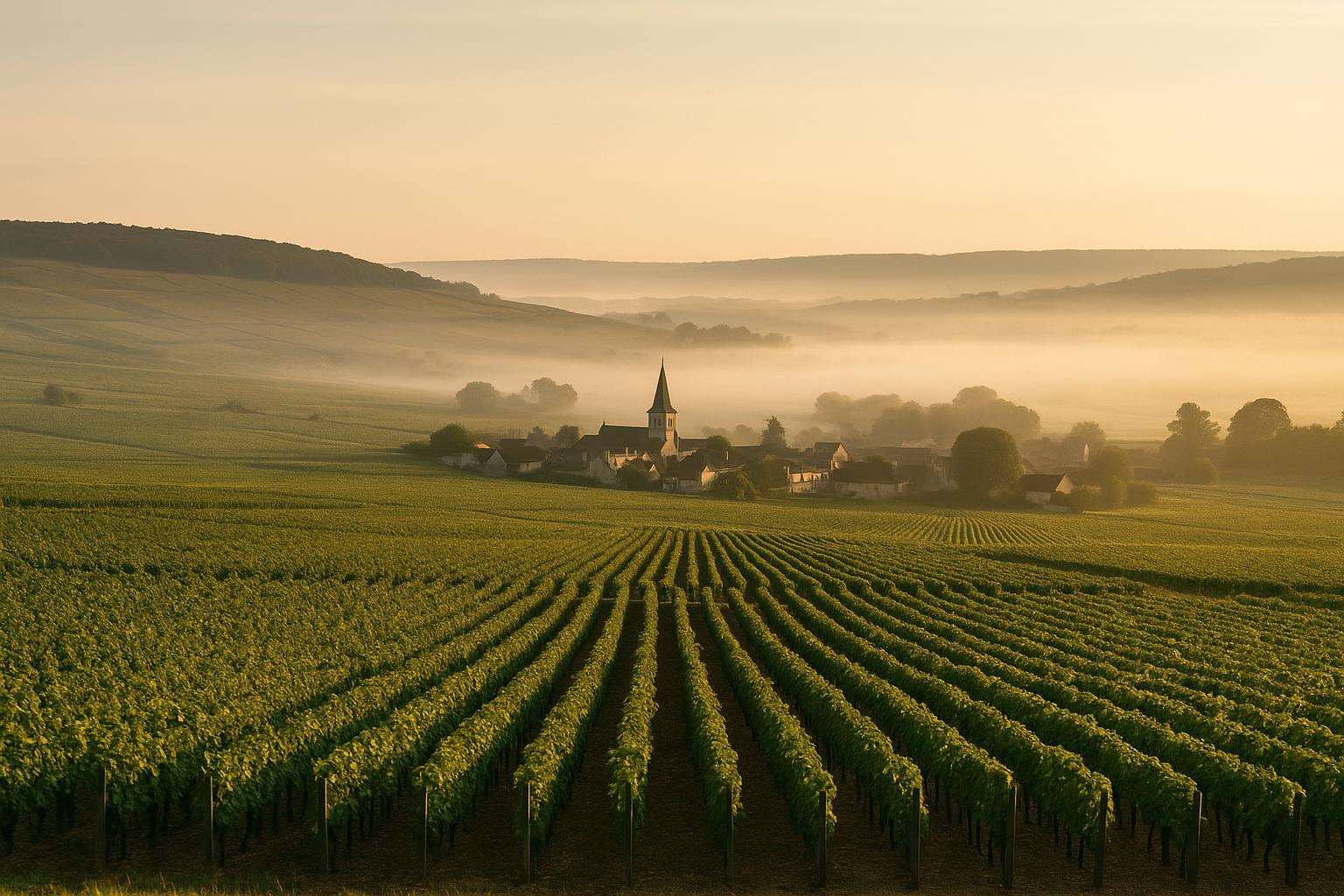
France remains the global benchmark for culinary travel, and a well-structured honeymoon can move efficiently through Champagne, Burgundy, Provence and Paris — each region a distinct register of flavor, terroir and dining culture that, together, amount to a comprehensive education in French gastronomy. The trip rewards a north-to-south flow anchored on a handful of reservations that must be locked first. Here is how I sequence it, what the cellar tours, cooking classes and three-star tables cost as of 2026, and the lead times that decide the plan.
The route in one line: Champagne (a TGV hour from Paris) → Burgundy, based in Beaune → Provence for cooking classes → back to Paris for the fine-dining finale. Sparkling to still to Provençal, with the hardest reservations — Dom Pérignon, L'Ambroisie, Guy Savoy — booked months ahead.
How does the Champagne leg work?
Champagne (Reims and Épernay) is just 1.5 hours from Paris by TGV, which makes it a natural first or last stop. The UNESCO-listed chalk crayères beneath Reims — labyrinthine cellars descending 55–65 feet underground at a constant 48°F — are the setting for the great-house tours. Veuve Clicquot offers guided tours of its historic crayères that close with a flute of Yellow Label and a vintage pour, and the Café Clicquot terrace now provides daytime lunch. The combined Veuve Clicquot and Moët & Chandon day tour (four houses, seven tastings, lunch) is a widely booked format; individual cellar tour prices average about €66 per person across the region, from entry-level experiences under €20 to premium Krug and Ruinart appointments effectively by invitation.
The reservation to worry about: Dom Pérignon's cellar in Hautvillers is among the most sought-after in Champagne — book months ahead. Luxury three- to four-day Veuve Clicquot-focused packages through operators such as Grape Escapes run £1,971–£3,730 per person if you want the logistics handled.
Why base yourself in Beaune for Burgundy?
Burgundy (the Côte d'Or) is the spiritual home of Pinot Noir and Chardonnay, and appellations like Gevrey-Chambertin, Vosne-Romanée, Chambolle-Musigny and Meursault are pilgrimage sites for any serious wine-traveling couple. Beaune is the natural base: from there, guided tastings descend into the cellars of the major merchant houses — Bouchard Père & Fils, Louis Jadot, Joseph Drouhin — and bespoke visits reach small domaines pouring Premiers and Grands Crus. The Château du Clos de Vougeot, where Cistercian monks began winemaking in the 12th century, is a signature stop, and artisanal cheese production in Gevrey-Chambertin plus truffle hunting with trained dogs are available add-ons for multi-day stays. A six-day combined Champagne-and-Burgundy tour through Fine Vintage Ltd runs roughly £1,251–£2,472 per person with accommodation, meals and guided tastings included; a seven-day Bordeaux-Champagne-Burgundy rail tour is bookable from around £961 per person.
What do the Provence cooking classes deliver?
Provence centers the cooking-class element of the trip. Château La Coste, the vineyard estate near Aix-en-Provence, combines winery visits, contemporary architecture (Rogers and Tadao Ando buildings on site) and exceptional regional cuisine — a good half-day. The classes themselves, with Michelin-trained instructors in Avignon, Arles and the Luberon, range from one afternoon (about €150–€250 per person) to multi-day residential programs through The International Kitchen and Gourmet On Tour, built around herbes de Provence, bouillabaisse and aioli-driven menus. Seasonal timing matters here more than anywhere else on the route: April and May are best for markets and outdoor classes before the crowds, while September aligns with harvest visits. This is the leg where you learn to make what you have been eating — the most participatory part of the honeymoon.
How do I actually get into L'Ambroisie and Guy Savoy?
Paris fine dining requires a reservation strategy, not luck. L'Ambroisie on the Place des Vosges holds three Michelin stars and operates entirely à la carte with no tasting menu — lunch commands the same premium as dinner, and truffle, lobster and a celebrated chocolate tart anchor a menu now helmed by Chef Shintaro Awa after Bernard Pacaud's 43-year tenure ended in 2025. Reserve directly with the restaurant; weekend lead times can exceed two months. Guy Savoy at the Monnaie de Paris was reduced to two stars in 2025 and offers a 13-course tasting menu at €490 plus a pre-bookable lunch menu at €125 — the lunch is the most-cited value play by regular visitors, with wine pairing adding €115. Guy Savoy reservations run through Zenchef and LaFourchette, with card details secured at booking, and the €125 lunch must be pre-booked online. The conventional sequence for couples wanting one transcendent meal at each: dinner at L'Ambroisie on a Marais evening, lunch at Guy Savoy with Seine views.
What does it all cost?
| Experience | Region | Price (2026) | Book ahead |
|---|---|---|---|
| Standard Champagne cellar tour | Reims / Épernay | ~€66 / person (range €20–premium) | 2–4 weeks |
| Dom Pérignon cellar (Hautvillers) | Champagne | premium, by reservation | months ahead |
| 6-day Champagne + Burgundy tour | All-in | £1,251–£2,472 / person | 1–3 months |
| Provence afternoon cooking class | Avignon / Arles / Luberon | €150–€250 / person | 2–4 weeks |
| Guy Savoy lunch menu | Paris | €125 / person (+€115 pairing) | weeks ahead |
| Guy Savoy 13-course tasting | Paris | €490 / person | weeks ahead |
| L'Ambroisie à la carte | Paris | three-star pricing | 2+ months (weekends) |
You can build this à la carte — booking each cellar visit, cooking class and restaurant yourself and traveling largely by rail — or consolidate the wine legs into a multi-region package that handles the rural logistics. My advice: package the Champagne-Burgundy portion (the domaine visits are where DIY logistics get hard), book Provence classes and the two Paris tables directly, and spend the difference on the Guy Savoy lunch as your value-tier splurge alongside a single à la carte night at L'Ambroisie.
The bottom line
France works as a honeymoon because the four regions are genuinely different educations — sparkling wine in chalk cellars, grand-cru Pinot from a Beaune base, Provençal technique you cook with your own hands, and two of Paris's most storied tables to finish. Move north to south, lock Dom Pérignon, L'Ambroisie and Guy Savoy months ahead, and time Provence to spring markets or the September harvest. Book in that order and the rest of the route falls into place.
Frequently asked
What order should I visit Champagne, Burgundy and Provence?
Because Champagne is 1.5 hours from Paris by TGV, it makes a natural first or last stop; most couples fly into Paris, do Champagne, then move south to Burgundy and finally Provence before circling back to Paris for the fine-dining finale. Burgundy sits logically between Champagne and Provence, so a north-to-south flow — Champagne, Burgundy, Provence, Paris — minimizes backtracking and lets the trip build from sparkling to still wine to Provençal cooking. Rail handles the long hops well; a car helps for the rural Burgundy domaine visits and the Luberon cooking classes but is unnecessary inside the cities.
How much does a Champagne cellar tour cost, and can we see Dom Pérignon?
Individual cellar tour prices average about €66 per person across the Champagne region, ranging from entry-level experiences under €20 to premium appointments at Krug and Ruinart that are effectively by invitation. Veuve Clicquot offers guided tours of its UNESCO-listed chalk crayères, finishing with a flute of Yellow Label plus a vintage pour, and now has the Café Clicquot terrace for daytime lunch. Dom Pérignon's cellar in Hautvillers is among the most sought-after reservations and should be booked months ahead. Luxury three- to four-day Veuve Clicquot-focused packages through operators such as Grape Escapes run £1,971–£3,730 per person.
Where should we base ourselves in Burgundy?
Beaune is the natural base. From there, guided tastings descend into the cellars of the major merchant houses — Bouchard Père & Fils, Louis Jadot, Joseph Drouhin — and bespoke visits reach small domaines pouring Premiers and Grands Crus in appellations like Gevrey-Chambertin, Vosne-Romanée, Chambolle-Musigny and Meursault. The Château du Clos de Vougeot, where Cistercian monks began winemaking in the 12th century, is a signature stop. A six-day combined Champagne-and-Burgundy tour through Fine Vintage Ltd runs roughly £1,251–£2,472 per person with accommodation, meals and guided tastings included, which is a sensible way to handle the logistics.
What are the Provence cooking classes actually like, and when should we go?
Provence is where the cooking-class element lives. Classes with Michelin-trained instructors in Avignon, Arles and the Luberon range from a single afternoon (about €150–€250 per person) to multi-day residential programs through operators such as The International Kitchen and Gourmet On Tour, built around herbes de Provence, bouillabaisse and aioli-driven menus. Seasonal timing matters: April–May is best for markets and outdoor classes before the crowds, and September aligns with harvest visits. The vineyard estate Château La Coste near Aix-en-Provence pairs winery visits with contemporary architecture by Rogers and Tadao Ando and excellent regional cuisine.
How hard is it to book L'Ambroisie and Guy Savoy in Paris?
Both require an advance-reservation strategy. L'Ambroisie on the Place des Vosges holds three Michelin stars and operates entirely à la carte with no tasting menu — lunch commands the same premium as dinner, and weekend lead times can exceed two months; reserve directly with the restaurant. Guy Savoy at the Monnaie de Paris was reduced to two stars in 2025 and offers a 13-course tasting menu at €490 plus a pre-bookable lunch menu at €125 (wine pairing adds €115), the latter being regulars' most-cited value play. Guy Savoy reservations are handled through Zenchef and LaFourchette with card details secured at booking.
What is a realistic per-person budget for the experiences?
Experiences alone — not flights or hotels — add up quickly at the top tier. Booking à la carte, budget roughly €66 per person for a standard Champagne cellar tour, comparable per-visit figures in Burgundy, €150–€250 per person for a Provence afternoon cooking class, and then the Paris tables: €125 per person for the Guy Savoy lunch (its value play) up to €490 for the full tasting, plus L'Ambroisie à la carte at three-star pricing. Multi-region packages consolidate the cost — a six-day Champagne-Burgundy tour runs £1,251–£2,472 per person, and a seven-day Bordeaux-Champagne-Burgundy rail tour is bookable from around £961 per person.