Experiences
Honeymoon Video & Film Packages: What Cinematic Coverage Actually Delivers
A clear-eyed guide to what a professional honeymoon film really includes in 2026 — the social teaser, cinematic highlight reel and full documentary edit — plus real pricing, drone-footage caveats and how resort videographers stack up against independents.
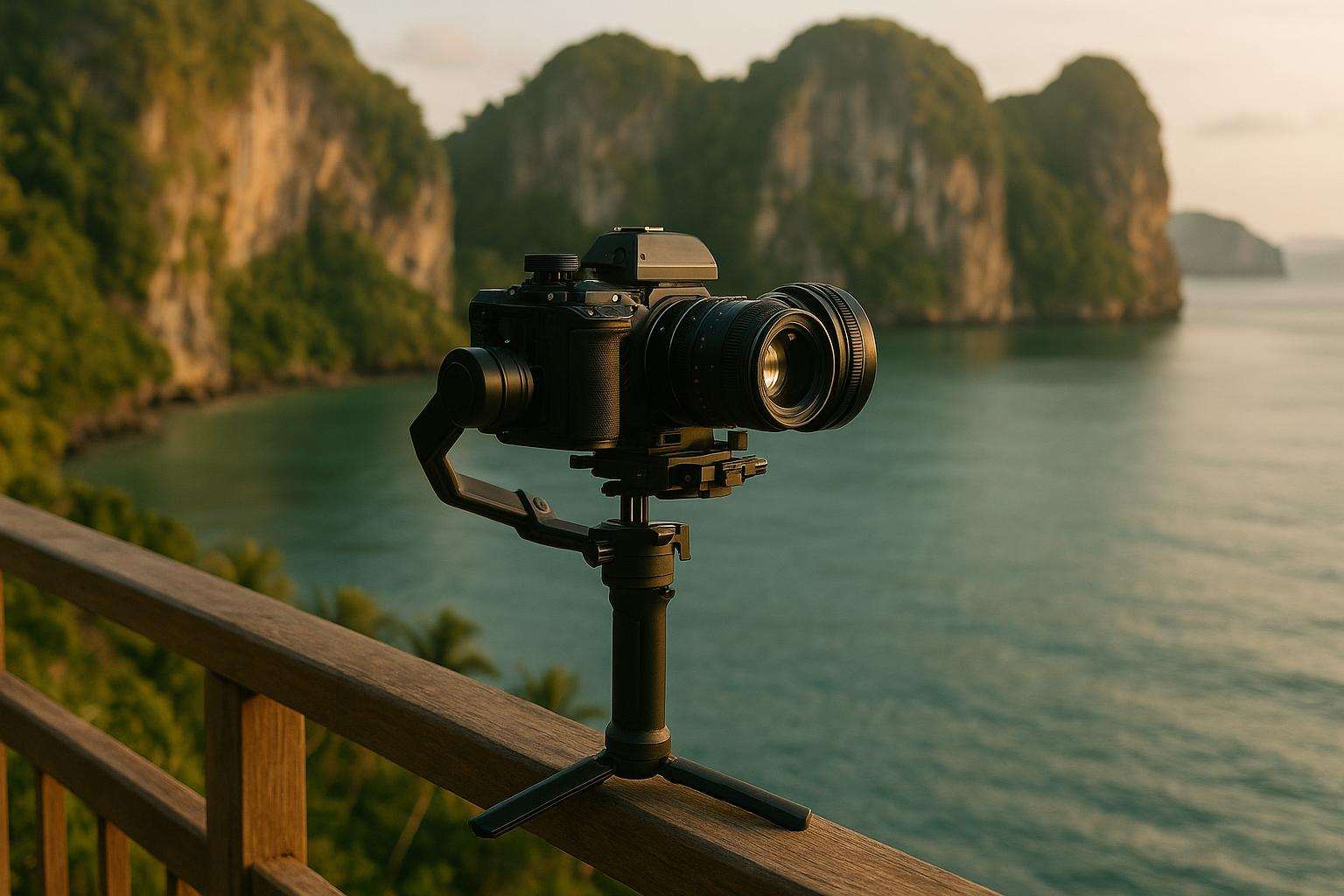
For a generation of couples, the honeymoon film has quietly become as considered a purchase as the wedding video itself. The professional destination-film market has matured into a distinct deliverable hierarchy that most couples now request as a three-part package — and understanding that hierarchy is the single best way to avoid overpaying for footage you will never watch, or underpaying for a reel that never materializes.
Below is what cinematic coverage actually delivers in 2026: the three deliverables, honest pricing, the truth about drone footage, and how resort in-house teams stack up against independent filmmakers.
The three-part deliverable hierarchy
Nearly every reputable videographer now structures coverage around three outputs, each serving a different purpose and lifespan.
The social teaser is a 30-to-60-second vertical or landscape cut designed for immediate sharing on Instagram Reels and TikTok. It functions as a cinematic trailer — emotional, fast-paced, built around peak visual moments and a licensed music track. Some videographers offer a same-day edit delivered on the spot, which commands a premium.
The cinematic highlight reel is the centerpiece: a 4-to-8-minute narrative film blending key moments, vows or candid audio, and b-roll into a storytelling arc with professional color grading and licensed music. As Key Moment Films explains, this is what most couples mean by their "film" — the version they return to year after year. High-end versions incorporate drone aerials, slow-motion sequences and carefully selected ambient audio.
The documentary or full-length edit runs 20 to 60 minutes and preserves the complete chronology — full vows, full speeches, the arc of the day — without heavy narrative editing. It is the archival record; the highlight reel is the art object. Many couples watch the documentary once and treasure the highlight reel for decades. As one studio frames it, the three tiers answer three different questions: share it now, relive it forever, remember all of it.
What a premium package includes — and what it costs
In 2026, premium packages from established destination cinematographers typically bundle: two filmmakers (a primary and an assistant or second shooter), a 4-to-6-minute cinematic highlight film with a professional color grade, a 20-to-30-minute documentary edit, a 30-to-60-second social reel, drone aerials where permits allow, all licensed music, and digital delivery via a private gallery link.
Pricing is best understood in tiers. According to WeddingWire's cost guide, the U.S. national average for professional wedding videography sits near $1,799 — but destination and fully cinematic work runs higher.
| Experience tier | Typical range (as of 2026) | What you get |
|---|---|---|
| Entry / basic coverage | $1,000–$2,000 | Single shooter, simple edit, limited color work |
| Mid-level cinematic | $2,000–$4,000 | Highlight reel, some drone integration |
| Experienced cinematic | $4,000–$6,000 | Full package, second shooter, refined grade |
| Luxury destination specialist | $7,000+ | Two filmmakers, documentary + reel + teaser, aerials |
Bali is the most accessible destination for independent videographers. Local Bali crews charge roughly $450–$800 for a three-hour session; standard full-day packages (8 hours, two videographers, drone) run about $1,500–$2,500; and premium cinematic packages with same-day edits can reach $5,000, per Bali market pricing. Combined photo-and-video packages start around $2,000 for a full day.
The add-ons matter. Raw unedited footage is generally $1,500 or more. Rush delivery (1–2 weeks versus a standard 6–10 week turnaround) commands a premium, and overtime beyond the contracted session typically runs $200–$400 per hour.
The drone-footage reality check
Sweeping aerials are the most requested — and most legally fraught — element of a honeymoon film. In several marquee destinations, the drone shot you admire in a sample reel may not be legally available at all.
- Greece (Santorini): the entire caldera rim — Oia, Fira, Imerovigli — is a designated no-fly zone, and police actively confiscate drones in peak season.
- Bali: since 2025, all drones must be pre-registered regardless of weight, and commercial footage requires an Indonesian pilot certificate or a licensed local partner — neither obtainable on a tourist visa.
- The Maldives: a four-step permit chain (resort, arts authority, military, aviation) takes three to four weeks; there is no online portal.
- Kenya: the Kenya Wildlife Service bans drones inside national parks outright, and a civil-aviation permit does not override that.
The practical implication: hire a videographer who already holds the local credentials, or plan a legal alternative. A hot-air balloon over the Maasai Mara or a Victoria Falls helicopter delivers comparable aerial grandeur without a permit fight.
Resort in-house teams versus independent videographers
Resort in-house videography is often bundled into a honeymoon or celebration package, and at logistically difficult properties — the Maldives above all — the in-house option is frequently the practical default. The tradeoff is that resort-bundled pricing tends to be opaque and the visual style less customizable.
Independent videographers offer superior creative flexibility and personalized storytelling, but they require you to manage more logistics — verifying drone licenses, local permits and resort-access agreements in advance. Photo platforms occupy a third lane: Flytographer and peers are built for stills, not narrative film, though some of their photographers offer short clips as an add-on.
Whichever route you choose, ask to view full sample films — not just showreel clips — to judge how a filmmaker handles low light, unscripted emotion and audio. Style alignment, cinematic versus documentary, should be confirmed before you sign. The footage is the one honeymoon souvenir that only gets more valuable with time; it deserves the same scrutiny you gave the resort.
Frequently asked
What is the difference between a teaser, a highlight reel and a documentary edit?
These are the three standard deliverables in a modern honeymoon or destination film package. The social teaser is a 30-to-60-second vertical or landscape cut built for Instagram Reels and TikTok — fast, emotional, set to a licensed track. The cinematic highlight reel is the centerpiece: a 4-to-8-minute narrative film that blends footage, ambient audio and b-roll into a story arc with professional color grading. The documentary or full-length edit runs 20 to 60 minutes and preserves the complete chronology with minimal narrative editing. In short, the teaser is the trailer, the highlight reel is the art object, and the documentary is the archival record.
How much does a cinematic honeymoon film cost in 2026?
The U.S. national average for professional wedding videography is roughly $1,799, but destination and fully cinematic work is priced considerably higher. As of 2026 the effective range for a cinematic destination film runs about $3,500 to $10,000-plus, tiered by experience: beginners charge $1,000–$2,000 for basic coverage; mid-level videographers with highlight reels and drone integration charge $2,000–$4,000; experienced cinematic specialists charge $4,000–$6,000; and luxury destination specialists start around $7,000. Bali is the most accessible market — full-day packages there run roughly $1,500–$2,500. Clarify whether travel, lodging and per-diem are bundled or itemized before you sign.
Is drone footage always included, and can I count on it?
No. Drone aerials are usually offered as an add-on — often starting around $750 for a licensed operator — and, more importantly, they are legally constrained in many honeymoon destinations. Greece bans drone flight over the Santorini caldera rim entirely; Bali, the Maldives and Kenya all require permits that can take weeks and that tourists frequently cannot obtain on a tourist visa. Never assume the sweeping aerial you saw in a sample reel is available at your location. Confirm in writing that your videographer holds the necessary local credentials, or plan for a legal alternative such as a hot-air balloon or seaplane vantage.
Should I use my resort's in-house videographer or hire an independent?
It depends on the destination and how much you value creative control. Resort in-house teams are often the practical default at properties where logistics are hard — the Maldives especially, where seaplane transfers, island-access fees and permit coordination make bringing an outside filmmaker costly. In-house pricing tends to be opaque and the visual style less customizable. Independent videographers offer superior creative flexibility and personalized storytelling, but you take on more logistics: verifying their drone licenses, local permits and resort-access agreements yourself. If style matters to you, ask to see full sample films — not just showreels — from either option before booking.
Can a photo platform like Flytographer also shoot video?
Flytographer, Localgrapher and similar platforms are built around still photography — Flytographer runs a curated network of more than 600 vetted local photographers across 350 destinations, accepting under 3% of applicants. Some of their photographers offer short video clips or reels as an add-on, but these platforms are not full cinematic-film providers. For a genuine narrative highlight reel or documentary edit you want a dedicated videographer or a photo-and-video studio. A sensible hybrid many couples use: book a platform photographer for a polished portrait session and hire a separate videographer for the film, or find a combined photo-and-video package, which in Bali starts from roughly $2,000 for a full day.
What add-ons cost extra, and what should I confirm in the contract?
Raw unedited footage is generally an add-on priced at $1,500 or more. Rush delivery (1–2 weeks versus a standard 6–10 week turnaround) commands a premium, and overtime beyond the contracted session typically runs $200–$400 per hour. Drone aerials and same-day social edits are also extra. Your contract should specify the exact shooter's name, session date and duration, delivery timeline with a hard deadline, deposit and balance schedule, a weather or force-majeure clause, a backup-shooter clause, copyright and personal-use terms, and every travel or permit fee itemized in writing. Vague language like 'a few weeks after' is a red flag.