Experiences
Hot Spring & Thermal Bath Honeymoon Destinations: Iceland, Japan & Hungary
Geothermal bathing is one of the oldest romance rituals on earth. We compare Iceland's Blue Lagoon, Japan's private-onsen ryokan and Budapest's thermal baths on cost, character and how to book each for two.
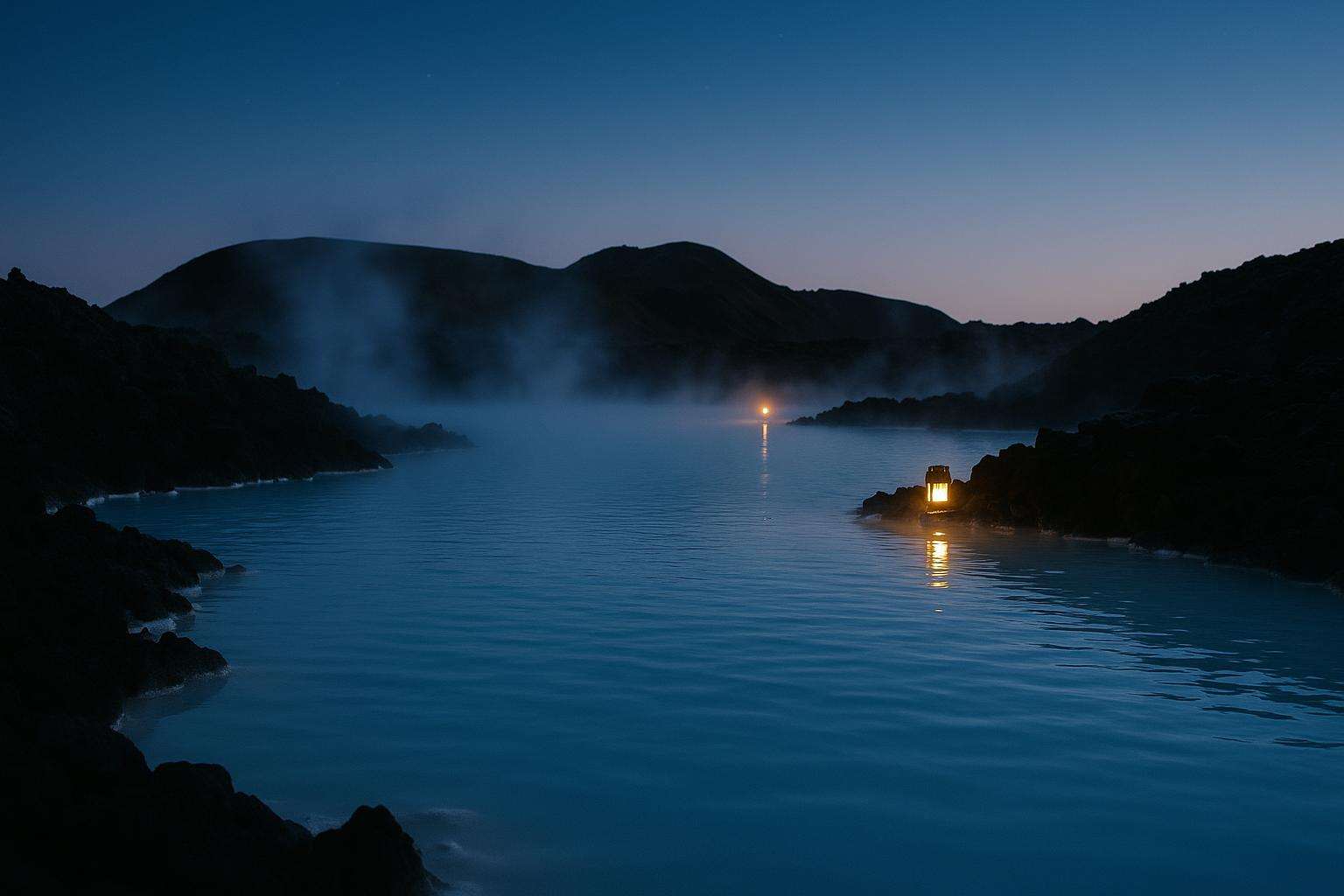
Geothermal bathing is among the oldest therapeutic practices in human culture, and for a honeymoon specifically it does something few experiences can: it combines natural scenery, physical relaxation and intimate shared time in a format that asks for no programme commitment and no athletic ability. You simply get in the water together. Three great traditions define the genre — Icelandic, Japanese and Hungarian — and they differ substantially in character, logistics and cost. Here is how to choose, and how to book each for two.
Iceland: the Blue Lagoon and The Retreat
The Blue Lagoon sits 15 minutes from Keflavik International Airport and 50 minutes from Reykjavik, which makes it usable as either a standalone destination or an arrival-day ritual to shake off a red-eye. Its geothermal seawater — milky pale blue and rich in silica, sulphur and algae — holds an average temperature of 38C and is one of the most photographed pools on earth. Admission for 2026 runs across three dynamic-priced tiers: Comfort (about ISK 11,990, roughly $96 per person), Premium (about ISK 14,990, roughly $121) and Signature (about ISK 18,490, roughly $149).[Blue Lagoon Iceland] For couples, Premium is the practical recommendation: it adds a bathrobe, two extra silica and mineral masks and a drink over the base Comfort entry. Tickets sell out weeks ahead in summer and Northern Lights season, so advance booking is effectively mandatory.
For a full honeymoon stay rather than a day visit, the on-site five-star Retreat Hotel offers a dedicated Romantic Getaway package that pairs two nights with a seasonal tasting menu and wine pairing at Moss Restaurant, a four-course dinner at Lava Restaurant, and a 45-minute couples' float therapy or two individual in-water massages.[Blue Lagoon Iceland] Because Blue Lagoon uses dynamic pricing throughout, exact costs vary sharply by season and lead time, and the package is best priced directly on bluelagoon.com. Time a June-to-August trip for the Midnight Sun, or October through March for a shot at the aurora over the steam.
Japan: the private-onsen ryokan
The Japanese ryokan with a private onsen is a fundamentally different concept — less a tourist attraction than a living cultural practice that frames bathing as a meditative daily ritual rather than something to photograph. The critical distinction for couples is between public communal baths, where men and women are separated by law, and a private onsen. Private baths take two forms: a kashikiri buro (a reserved shared bathhouse, typically rented by the hour for 2,000 to 5,000 yen or free to overnight guests), and an in-room or in-villa private onsen on a dedicated balcony, included in the room rate at a premium.[Selected Onsen Ryokan]
Leading couple-oriented properties for 2026 include Gora Kadan in Hakone, a former Imperial summer residence with private rock baths in secluded gardens; Nazuna Kyoto Gosho, a converted machiya townhouse near the Imperial Palace with a private bathhouse in a renovated storehouse; Arima Onsen Nakanobo Zuien near Kobe, an adults-only ryokan in one of Japan's oldest recorded onsen towns with access to both gold and silver waters; and Yufuin Gettouan in Kyushu, whose private villas frame Mount Yufu. One legal note worth planning around: in Tokyo, day-use mixed-gender onsen are prohibited entirely by municipal ordinance, even for married couples, so an overnight stay is the only viable couples' option in that region. Because the ryokan meal structure — a multi-course kaiseki dinner and breakfast — is bundled into the rate, per-night figures are genuinely all-inclusive, typically ranging from 40,000 to 150,000 yen (about $270 to $1,000-plus) per couple depending on the property tier.
Hungary: Budapest's thermal baths
Budapest's thermal bath culture is unique among European cities: the city sits atop more than 120 natural springs, and the Ottoman-era, Art Nouveau and Belle Epoque bath complexes built to harness them are living institutions, not museum pieces. The mineral water is clinically documented to help with arthritis, musculoskeletal pain and circulatory conditions, so a soak here is both cultural participation and genuine therapy.[Lonely Planet]
For 2026, plan around two closures: the architecturally celebrated Gellert Baths are shut for renovation until 2028, and Kiraly Bath is also under restoration. That leaves three operational choices. Szechenyi is the largest thermal complex in Europe — 18 pools across indoor and outdoor neo-Baroque courtyards — with 2026 weekday admission around HUF 11,900 (roughly 30 euros).[Szechenyi Thermal Bath] Rudas is the romance pick: an Ottoman-era domed bath with a rooftop panoramic pool overlooking the Danube and a notably quieter atmosphere. Lukacs is the budget play, roughly half the Szechenyi rate with comparable water quality. Since August 2025, new Hungarian health rules bar children under 14 from any Budapest thermal bath, keeping the environment adults-only. Bring your own towel (not included with basic entry), mandatory swimwear and waterproof footwear; the Budapest Card gives a 20 percent discount at Szechenyi.
How the three compare
| Destination | Character | Entry cost (per person) | Best for |
|---|---|---|---|
| Blue Lagoon, Iceland | Iconic Nordic bucket-list; five-star Retreat on site | ~$96–$149 day entry; package priced direct | Dramatic scenery + a marquee moment |
| Private-onsen ryokan, Japan | Meditative, intimate, kaiseki dining included | ~$270–$1,000+ per couple/night (all-in) | Cultural immersion and quiet |
| Budapest thermal baths | Living urban bathing culture, adults-only | ~$18–$34 (Lukacs to Szechenyi) | Value + easy city-break pairing |
The bottom line: pick Iceland for a globally iconic soak in Nordic drama with luxury lodging on site, Japan for the most intimate and immersive private-onsen ritual, and Budapest for low-cost, high-authenticity bathing folded into a wider European trip.
The honest tradeoffs
None of the three is flawless. The Blue Lagoon is the priciest per person, sells out fast, and can feel busy at peak session times despite its size; couples wanting seclusion should book The Retreat's private lagoon or an early or late slot. A private-onsen ryokan delivers the deepest intimacy but demands cultural preparation — bathing etiquette, tattoo policies at some properties, and a language barrier at smaller inns — and the in-villa private onsen carries a real premium over standard rooms. Budapest is the best value and easiest to combine with sightseeing, but the historic complexes can get crowded on weekends, towels are not included with basic tickets, and the two closures for 2026 remove the most photogenic option (Gellert) from the menu. Whichever you choose, hydrate well, keep sessions moderate rather than marathon, and treat the warm water as the pause button on your honeymoon — the point is to slow down together.
Frequently asked
Can couples bathe together in a Japanese onsen?
Not in most public onsen. By law and custom, public communal baths in Japan separate men and women, so a couple cannot share a standard bathhouse. The couples' solution is a private onsen, which comes in two forms: a kashikiri buro (a reserved shared bathhouse rented by the hour, typically 2,000 to 5,000 yen or free to overnight guests), or an in-room or in-villa private onsen on a dedicated balcony, included in the room rate at a premium. Note a legal wrinkle: in Tokyo, day-use mixed-gender onsen are prohibited entirely by municipal ordinance, even for married couples, so an overnight ryokan stay is the only viable couples' onsen option in that region. Regulations vary by prefecture.
How much does the Blue Lagoon cost for a honeymoon in 2026?
Blue Lagoon admission uses dynamic pricing across three tiers for 2026: Comfort at roughly ISK 11,990 (about $96 per person), Premium at about ISK 14,990 (about $121), and Signature at about ISK 18,490 (about $149). For couples, the Premium tier is the practical pick — it adds a bathrobe, two extra silica and mineral masks and a drink over the base Comfort entry. Prices shift by demand, date and session time, and tickets sell out weeks ahead in summer and Northern Lights season, so book in advance. For a full stay, the on-site five-star Retreat Hotel offers a dedicated Romantic Getaway package (two nights, tasting menu with wine pairing, and a couples' float or two in-water massages); because the property uses dynamic pricing throughout, price the package directly through bluelagoon.com.
Which Budapest thermal baths are open in 2026?
Two significant closures affect 2026 planning. The architecturally celebrated Gellert Baths are closed for renovation until 2028, and Kiraly Bath is also under restoration. The operational options for 2026 are Szechenyi (the largest thermal complex in Europe, with 18 pools and neo-Baroque architecture), Rudas (an Ottoman-era domed structure with a rooftop panoramic pool over the Danube — the strongest romance case), and Lukacs (quieter, lower-profile and the best budget value). Szechenyi weekday admission runs about HUF 11,900 (roughly 30 euros); Lukacs is nearly half that. Since August 2025, new Hungarian health rules bar children under 14 from any Budapest thermal bath, which keeps the environment adults-only — a practical benefit for honeymooners.
Which hot spring destination is best for a honeymoon?
It depends on the couple. Iceland's Blue Lagoon rewards those who want a globally iconic bucket-list moment in dramatic Nordic scenery, with a high-end hotel experience available on site at The Retreat. A Japanese private-onsen ryokan suits couples who want cultural immersion, meditative quiet and the most intimate form of the hot-spring experience, with kaiseki dining included. Budapest's thermal baths suit couples who want a low-cost, high-authenticity urban bathing culture folded into a broader Central European city break. Iceland is the priciest and most scenic, Japan the most intimate and immersive, and Hungary the most affordable and easiest to combine with sightseeing.
Are hot spring waters actually good for you?
Geothermal bathing has genuine, documented benefits alongside the relaxation. Budapest's mineral waters are clinically documented to help with arthritis, musculoskeletal pain and circulatory conditions, and bathing there is simultaneously cultural participation and therapeutic practice. The Blue Lagoon's geothermal seawater is rich in silica, sulphur and algae, and its silica muds are used in skin treatments. From an integrative-wellness view, warm mineral immersion supports peripheral vasodilation and parasympathetic relaxation, which can aid sleep onset — useful for jet-lagged honeymooners. That said, very hot water is not for everyone: limit sessions if pregnant, dehydrated or managing cardiovascular conditions, hydrate well, and step out to cool down periodically rather than soaking for long unbroken stretches.