Experiences
Sailing & Yacht-Charter Honeymoons: Greece, BVI & Croatia
A yacht charter turns the honeymoon itself into the destination — waking in a different anchorage each morning. We explain bareboat vs. skippered vs. crewed, compare the British Virgin Islands, Croatia and the Greek Cyclades, and lay out real 2026 costs.
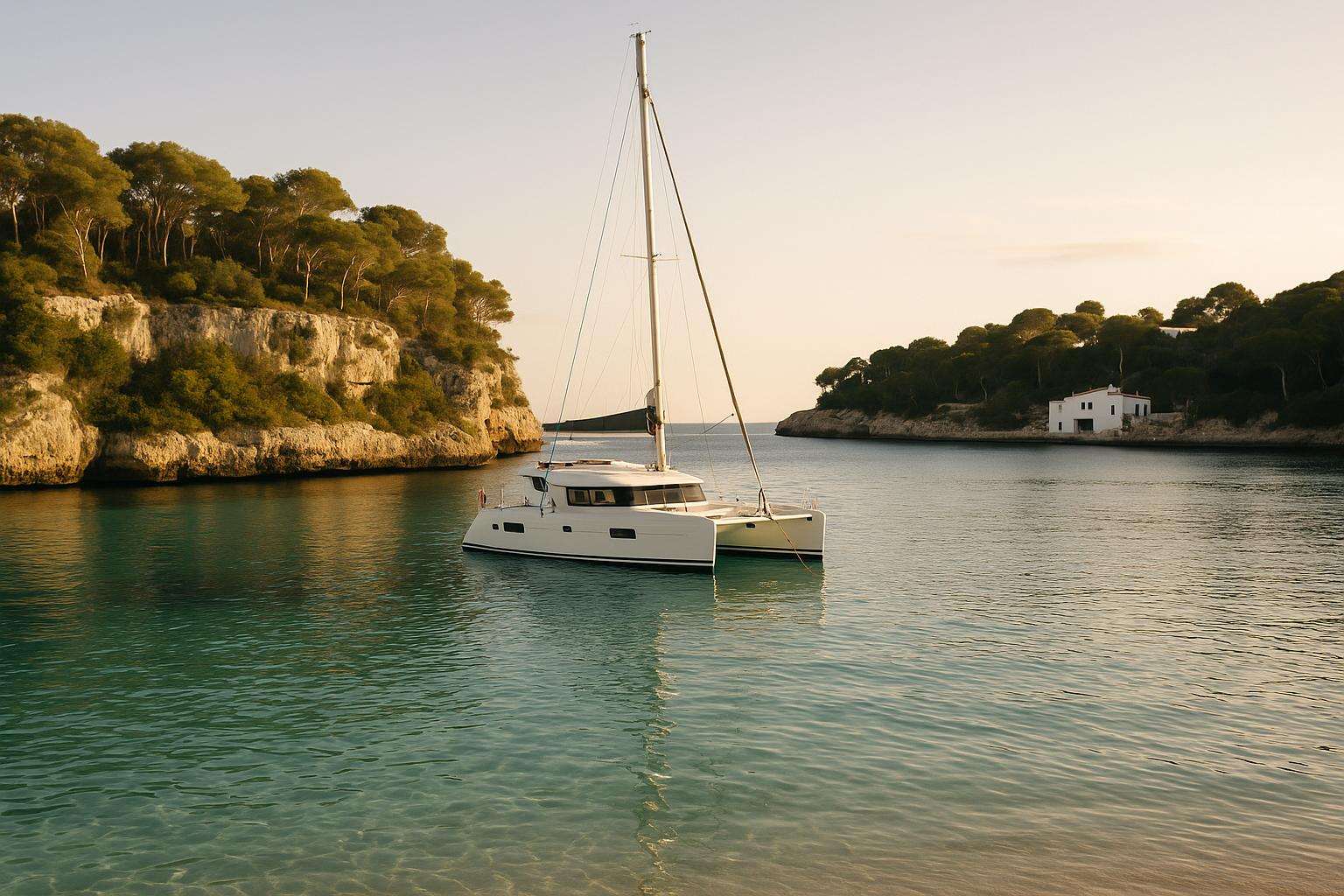
A sailing honeymoon inverts the usual formula: instead of choosing a single resort and staying put, you make the journey itself the destination, waking in a different turquoise anchorage each morning with total privacy and the freedom to move — or not — as the mood takes you. A yacht charter, most often a comfortable catamaran charter, delivers a sense of adventure and seclusion no hotel can match. The three great charter grounds — the British Virgin Islands, Croatia and the Greek Cyclades — each reward a different kind of couple. Here is how to choose, and how the charter models work.
The three charter models
Every charter falls into one of three models, and picking the right one is the most important decision you'll make. A bareboat charter means you skipper the yacht yourselves — the cheapest option and the most freeing, but it requires demonstrable competence. Operators like The Moorings ask for a sailing resume, and Mediterranean countries often legally require a recognized certification (ASA, RYA or ICC) plus a VHF radio license.[The Moorings] A skippered charter adds a professional captain who handles the sailing and local knowledge while you relax and help as much or as little as you like — the ideal middle path for couples without certification. A crewed charter goes fully all-inclusive, adding a chef and often a hostess, turning the yacht into a private floating boutique hotel with a personal crew.[The Moorings]
For most honeymooners, a catamaran beats a monohull: more living space, stable sunbathing trampolines, less heeling and seasickness, shallow draft for pretty anchorages, and separate ensuite cabins. The tradeoffs are a higher rate and, in the Mediterranean, a 50 to 80 percent marina supplement.
British Virgin Islands: the beginner-friendly icon
The BVI are the gold standard for a first charter. The islands sit close together in protected, reliably breezy water, so passages are short line-of-sight hops of one to three hours, and there's a mooring ball, beach bar or snorkel site around nearly every corner — the granite grottoes of the Baths on Virgin Gorda, the wreck of the RMS Rhone, and Jost Van Dyke's legendary beach bars are all within an easy cruise. Bareboat charters start around $3,284 for a week for two; a low-season 4-cabin catamaran runs from roughly $5,700, and high-season (December to April) from about $10,000, while fully crewed charters start around $13,000 to $16,700 per week.[Sunsail] Sail the BVI in the dry Caribbean high season, December through April, and keep clear of the June-to-November hurricane season.
Croatia: walled towns and a thousand islands
Croatia's Dalmatian coast offers something the Caribbean cannot: cruise between more than a thousand islands and drop anchor beneath walled medieval towns like Dubrovnik, Korcula and Hvar, with pine-scented coves and Roman ruins in between. It rewards confident sailors — passages are longer than the BVI and the strong, gusty bura wind can descend off the mountains — so less-experienced couples should take a skipper. Marina fees run higher too, from around 30 to over 300 euros a night with the catamaran supplement. The season is Mediterranean summer, with May, June and September the sweet spots for warm water, reliable breeze and thinner crowds than midsummer.
Greek Cyclades: whitewashed drama in the Aegean
The Greek Cyclades — Mykonos, Paros, Naxos, Santorini and the smaller islands between — deliver the most iconic Aegean scenery: whitewashed villages spilling down volcanic hillsides, blue-domed churches and dazzling light. Charters typically start from Athens, which gives direct access to both the Saronic Gulf and the Cyclades, and Greek charter costs span an enormous range, roughly $2,634 to $36,999 for a week for two depending on yacht and season.[The Moorings] The catch is the meltemi, the powerful northerly summer wind that peaks in July and August and can pin boats in harbor for days — which is why the Cyclades suit experienced sailors or a skippered charter, and why late May, June and September are the smarter windows.
How the three compare
| Destination | Sailing difficulty | Signature | Best season | Bareboat week (from) |
|---|---|---|---|---|
| British Virgin Islands | Easiest (short, protected hops) | Beach bars, the Baths, calm trade winds | Dec–Apr | ~$3,284 (cat from ~$5,700) |
| Croatia (Dalmatia) | Moderate (longer legs, bura wind) | Walled towns, 1,000+ islands | May–Jun, Sep | Varies; skipper advised |
| Greek Cyclades | Harder (exposed to meltemi) | Whitewashed island drama | Late May–Jun, Sep | ~$2,634 (wide range) |
The bottom line: choose the BVI for the easiest, most beginner-friendly bareboat honeymoon in calm Caribbean water; Croatia for island variety and medieval-town romance with a skipper; and the Greek Cyclades for the most iconic Aegean scenery, best sailed in the shoulder months to dodge the meltemi. When in doubt about your sailing ability, book a skipper — it costs less than most couples expect and removes all the stress.
Budgeting and the honest tradeoffs
The advertised charter rate is only the start. Budget an extra 25 to 50 percent for fuel, mooring and marina fees, provisioning (roughly $50 to $75 per person per day), taxes and cruising fees, and a yacht damage waiver, plus a 15 to 20 percent gratuity on crewed charters. Booking early matters: operators frequently run 20 percent early-booking discounts that meaningfully cut the total. The genuine downsides of a sailing honeymoon are worth weighing honestly. Space is finite even on a catamaran, and weather can rearrange or shorten your plans — a strong meltemi or bura day may keep you in port. Seasickness affects some travelers, so pack remedies. Bareboat sailing is real responsibility, not a theme-park ride; overestimating your skill is the classic mistake, and a grounding or damage claim can ruin the trip. Finally, a boat is close quarters — wonderful for a couple who loves being together, less so if either of you needs regular solo space. Match the model to your experience, provision well, build in a rest anchorage or two, and a charter becomes the most freeing honeymoon there is.
Frequently asked
Do we need a sailing license or experience to charter a yacht for our honeymoon?
It depends on the charter model. A bareboat charter — where you skipper the yacht yourselves — requires demonstrable competence: companies like The Moorings ask for a sailing resume, and in the Mediterranean many countries legally require a recognized certification such as an ASA, RYA or ICC license plus a VHF radio operator's certificate. If you lack experience or certification, you have two easy options: a skippered charter, where a professional captain sails the boat while you relax (you can help as much or as little as you like), or a fully crewed charter that adds a chef. The British Virgin Islands are the most forgiving bareboat ground for competent-but-not-expert sailors thanks to short, line-of-sight hops and calm waters; Greece and Croatia are better suited to a skipper unless you hold the required licenses.
How much does a yacht charter honeymoon cost in 2026?
Costs vary widely by destination, season and charter model. In the British Virgin Islands, bareboat charters start around $3,284 for a week for two, while a low-season 4-cabin catamaran runs from roughly $5,700 and high-season (December to April) from about $10,000; fully crewed BVI charters start around $13,000 to $16,700 per week. Greece spans an enormous range, from about $2,634 to $36,999 for a 7-day charter for two depending on yacht and season. On top of the base rate, budget an extra 25 to 50 percent for fuel, mooring and marina fees, provisioning (roughly $50 to $75 per person per day), taxes and a yacht damage waiver — plus a 15 to 20 percent gratuity on crewed charters. Many operators run 20 percent early-booking discounts, so booking well ahead materially cuts the cost.
Should we choose a catamaran or a monohull for a honeymoon?
For most honeymooners, a catamaran is the better choice. Catamarans offer far more living space, wide sunbathing trampolines forward, a stable platform that reduces heeling and seasickness, shallower draft for tucking into pretty anchorages, and separate cabins with private ensuite heads — which matters if you're sharing with friends on a group charter. The tradeoffs are cost (catamarans command higher charter rates and often a 50 to 80 percent marina supplement in the Mediterranean) and sailing feel — purists find monohulls more responsive and engaging under sail. If romance, comfort and stability are the priorities, go catamaran; if you're keen sailors who love the heel and want to spend less, a monohull is a fine, cheaper choice.
Which is the best sailing destination for a first-time charter honeymoon?
The British Virgin Islands are the gold standard for first-time and less-experienced charterers. The islands sit close together in protected, reliably breezy water, so most passages are short line-of-sight hops of one to three hours, navigation is straightforward, and there's a mooring ball, beach bar or snorkeling spot around nearly every corner — the Baths on Virgin Gorda, the wreck of the RMS Rhone, and Jost Van Dyke's beach bars are all within an easy cruise. Croatia and the Greek Cyclades are more rewarding for confident sailors: Croatia has hundreds of islands and walled medieval towns but longer passages and the strong bura wind, while the Cyclades are stunning but exposed to the powerful summer meltemi. For a first charter, choose the BVI, or take a skipper in the Mediterranean.
When is the best time to sail each of these destinations?
Timing differs by region. The British Virgin Islands are best from December through April, the dry, breezy Caribbean high season with steady trade winds and little rain; this is also hurricane-safe, since the Atlantic hurricane season runs June through November. Croatia and Greece are Mediterranean summer destinations: May, June and September are the sweet spots, offering warm water, reliable sailing breeze and thinner crowds than July and August. Avoid peak August in the Greek Cyclades if you can, when the meltemi wind is at its fiercest and can pin boats in harbor, and prices and crowds peak everywhere. Booking a shoulder-month charter typically means calmer conditions, better availability and lower rates.