The Milestones
How to Plan a Surprise Destination Proposal
A complete stealth playbook for proposing abroad without tipping off your partner — booking under the radar, hiding a photographer, flying with the ring, and timing the moment to the light.
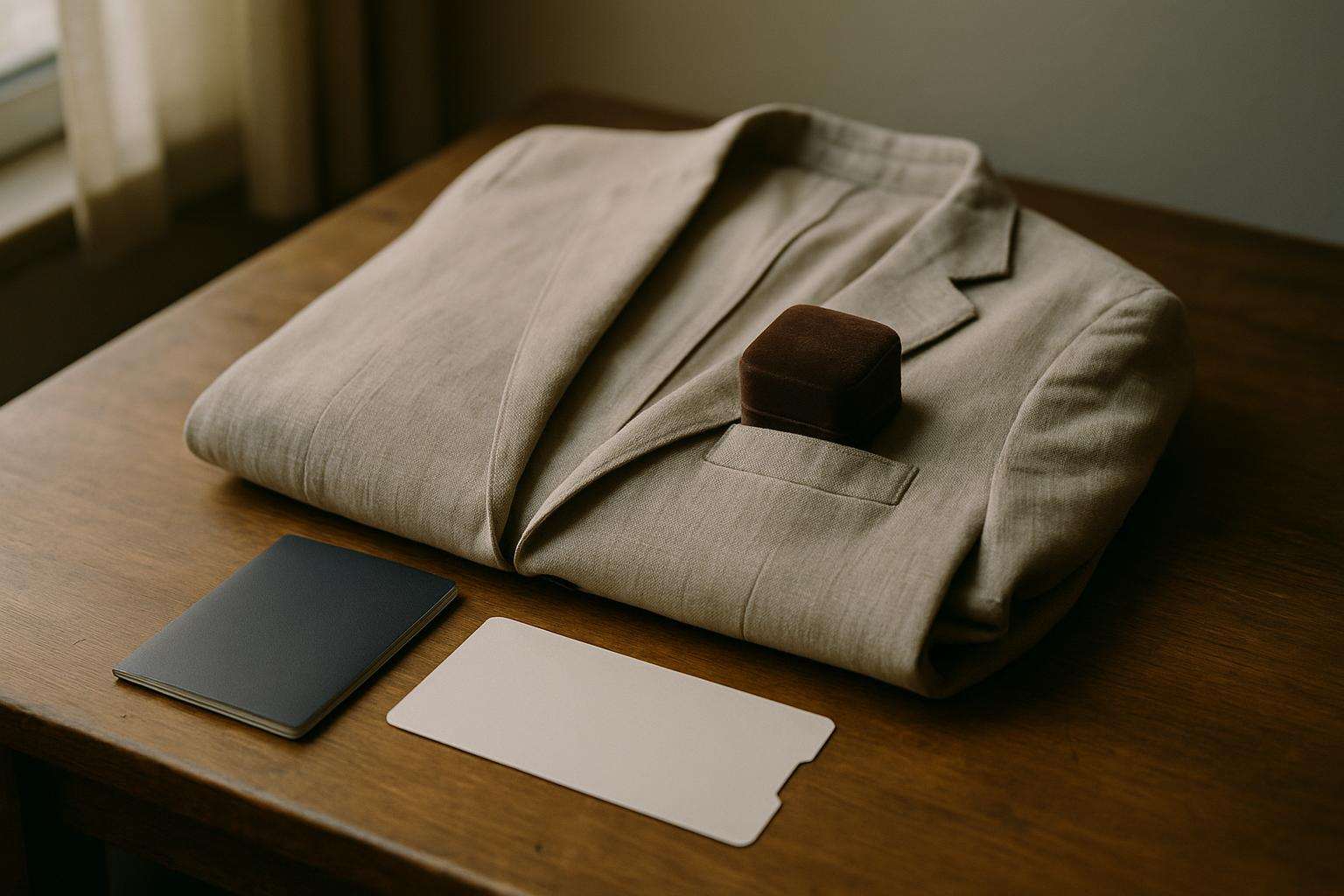
Every other trip in the marriage lifecycle is co-planned. The surprise proposal is the one you must plan entirely alone — without your partner catching a glimpse of a confirmation email, a mysterious charge, or an oddly specific restaurant reservation. Planning a surprise destination proposal is, functionally, a covert operation dressed up as a vacation, and the couples who pull it off flawlessly treat it exactly that way.
The stakes are real. A 2024 survey by The Knot found that 22% of proposers now propose while traveling, and social media has raised both the aspiration and the anxiety around "getting it right." But a great surprise proposal abroad is not luck — it is a repeatable workflow: lock the ring, book the photographer, secure the setting, fly with the ring safely, and time the moment to the light. Here is the complete stealth playbook.
The stealth checklist in one line: book everything on a card your partner does not watch, route confirmations to a private email, hire a hidden photographer at least two to four weeks out, carry the ring in your hand luggage, and time the moment to golden hour with a 20-minute buffer.
Step 1: Build the cover story and book under the radar
Before you book anything, decide what your partner thinks this trip is. The most durable cover story is an ordinary occasion — a birthday, an anniversary, a "we both need a break" getaway — established early enough that no single booking looks suspicious. Then compartmentalize ruthlessly.
Use a personal credit card or bank account your partner does not monitor, and route every confirmation to an email address they never open. A fresh free email created solely for the proposal is the cleanest solution; it keeps the photographer's messages, the resort's proposal-package thread, and the dinner reservation out of a shared inbox entirely. Turn off shared-calendar sync and disable notifications for booking apps that might surface a preview on a lock screen. If you share phone location, plan in advance how you will slip away to meet your photographer — "I'm grabbing coffee, meet you at the viewpoint in 20" is a classic. The shared vacation plan and the secret proposal plan should never touch.
Step 2: Choose the setting and secure the logistics
Pick the exact spot, not just the city. A destination proposal lives or dies on a specific, scouted location: a particular clifftop terrace, a quiet cove, an overwater deck. Once you have the spot, confirm the two things couples most often overlook. First, can a paid photographer legally shoot there? Many landmarks, gardens, and protected sites restrict commercial photography or require a permit — in the U.S., the National Park Service mandates a commercial photography permit with two to four weeks of lead time. Second, is the celebration dinner reservation locked? The best restaurants near marquee proposal spots book out weeks ahead.
If the setup is elaborate or the destination has real permit friction, consider a specialist. A styled done-for-you setup from a service like My Planner Friend starts around $995, and full-service destination proposal planning averages about $6,000, not counting travel and the ring. Services such as The Yes Girls, The Romantic Tourist, and Santorini specialist Dreamodd handle décor, permits, and photographer coordination remotely — invaluable when you cannot scout in person.
Step 3: Book a hidden photographer
The proposal moment lasts seconds, and you will be looking at your partner, not a lens. A hidden photographer is the single best investment in a destination proposal. Flytographer — the category leader across 350-plus cities with 100,000-plus customers — starts proposal shoots at about $425 USD for 30 minutes and hires fewer than 3% of applicants, so the quality bar is genuinely high. Book at least two weeks ahead, and four-plus during peak seasons.
When you book, share the exact location, the planned time, and a description of what you and your partner will be wearing, and agree on a discreet signal — a hand on the small of the back, a phrase, a gesture. On the day, the photographer arrives early and positions themselves as an ordinary tourist, often 20 to 50 metres away with a long lens, so your partner never notices them. They shoot the moment as it happens, then step forward for a short engagement session once you have said yes. Alternatives include Localgrapher for broader coverage, independent local photographers at lower cost but higher variability, and resort-provided photographers for convenience with less artistic control.
Step 4: Fly with the ring safely
The logistics of getting the ring to the destination cause more anxiety than any other step, mostly needlessly. Keep the ring in your carry-on, never in checked baggage — checked bags get lost, delayed, and searched out of your sight. Per TSA guidance, you can bring an engagement ring through security, and officers screen it like any other item without being required to announce it to your partner. To stay discreet, keep the box in a jacket or bag pocket, and if you are traveling together, send your partner through the checkpoint ahead of you or keep the box on your body. Some proposers slip the ring out of its bulky box into a slim pouch to avoid a telltale square on the X-ray belt. On U.S. re-entry, declare a ring valued over the $800 duty-free exemption as personal jewelry not for sale — declared personal jewelry is duty-free — and carry a jeweler's appraisal document for insurance and customs.
Step 5: Time the moment to the light
Great proposal photos are made by light, and the best light is golden hour — the 45 to 60 minutes after sunrise or before sunset, when the sun is low, warm, and flattering. Sunset is the most popular window and the most romantic, but sunrise gives you thinner crowds at famous spots. Use a sun-tracking app to confirm the exact time and the direction the light will fall at your specific location, coordinate that time with your photographer during booking, and build a 15-to-20-minute buffer — you cannot pause a sunset, and nerves make people run late. If your spot is a landmark, scout crowd patterns; the same viewpoint can be serene at dawn and impassable at dusk.
After the yes
Plan the first hour after the proposal, not just the moment. A reserved celebration dinner, a bottle chilling at the room, a call to family teed up — these turn a photograph into a memory. And because a surprise proposal is the entry point to the entire marriage-travel journey, it is worth thinking one step ahead: the couple who just got engaged is months from planning a wedding and a honeymoon. Once the ring is on, the next research begins.
Frequently asked
How far in advance should I plan a surprise destination proposal?
Give yourself six to twelve weeks for an international surprise proposal, and eight weeks minimum if you want the best photographer availability. The ring itself may need two to six weeks if you are customizing or resizing, so start there. A destination photographer like Flytographer wants two weeks of lead time at minimum and four-plus during peak seasons. Resort proposal packages and hard-to-get celebration-dinner reservations can require a month or more. Working backward from your proposal date, lock the ring first, then the photographer, then the dinner and any resort setup, then the flights and hotel last so the trip looks like an ordinary vacation.
How do I book the trip without my partner finding out?
Use a personal credit card or bank account your partner does not monitor, and route all confirmations to an email address they never check — consider a fresh free email just for the proposal. Turn off shared-calendar sync and shared-app notifications for booking apps. If you share finances, frame the trip early as a normal anniversary or birthday getaway so a charge does not raise questions, and keep the true itinerary — the photographer, the setup, the reservation timing — entirely separate from the shared vacation plan. Many couples share a location on their phones; decide in advance how you will explain slipping away to meet the photographer.
How does a hidden proposal photographer work?
You book the photographer in advance, share the exact location, planned time, and a description of what you and your partner will be wearing, then agree on a discreet signal. On the day, the photographer arrives early and positions themselves as an ordinary tourist — often 20 to 50 metres away with a long lens — so your partner never notices them. They capture the moment as it unfolds, then step forward once you have said yes to shoot a short engagement session. Flytographer, the category leader across 350-plus cities, starts proposal shoots around $425 USD for 30 minutes and hires fewer than 3% of applicants, so the quality bar is high.
Can I bring an engagement ring through airport security without spoiling the surprise?
Yes. Keep the ring in your carry-on, never in checked baggage. The TSA screens rings along with everything else, but security officers are not required to announce the item to your partner. The safest approach is to keep the small box in a jacket or bag pocket and, if you are traveling together, either send your partner through the line first or keep the box on your body. Some proposers remove the ring from its bulky box and carry it in a slim pouch to avoid drawing attention on the belt. On international re-entry to the U.S., declare a ring valued over the $800 exemption as personal jewelry, which is duty-free.
Should I hire a destination proposal planner?
It depends on your budget and how elaborate the setup is. A styled done-for-you proposal setup from a service like My Planner Friend starts around $995, while full-service destination proposal planning — securing the spot, handling permits, coordinating décor and the hidden photographer, and managing the celebration dinner — averages about $6,000, not counting travel, the ring, and the dinner itself. Services such as The Yes Girls, The Romantic Tourist, and Santorini specialist Dreamodd handle the logistics you cannot manage remotely. If you are proposing somewhere with permit requirements or want an involved décor setup, a planner earns their fee; for a simple sunset-and-photographer proposal, you can DIY.
How do I time the proposal for the best photos?
Aim for golden hour — the roughly 45 to 60 minutes after sunrise or before sunset — when light is soft, warm, and flattering, and harsh midday shadows are gone. Sunset is the most popular window, but sunrise offers thinner crowds at famous spots. Use a sun-tracking app to confirm the exact time and the direction the light will fall at your specific location, and build in a 15-to-20-minute buffer, because you cannot pause a sunset. Coordinate the timing with your photographer during booking, and if you are proposing at a landmark, scout crowd patterns; the same viewpoint can be empty at dawn and impassable at dusk.