The Milestones
Mini-Moon Budget Tiers: How to Plan a $500-$2,000 Newlywed Escape
You don't need a five-figure honeymoon budget to feel like newlyweds. Here are three realistic mini-moon budget tiers — $500, $1,200 and $2,000 per couple — with sample itineraries in Sedona, Asheville and beyond.
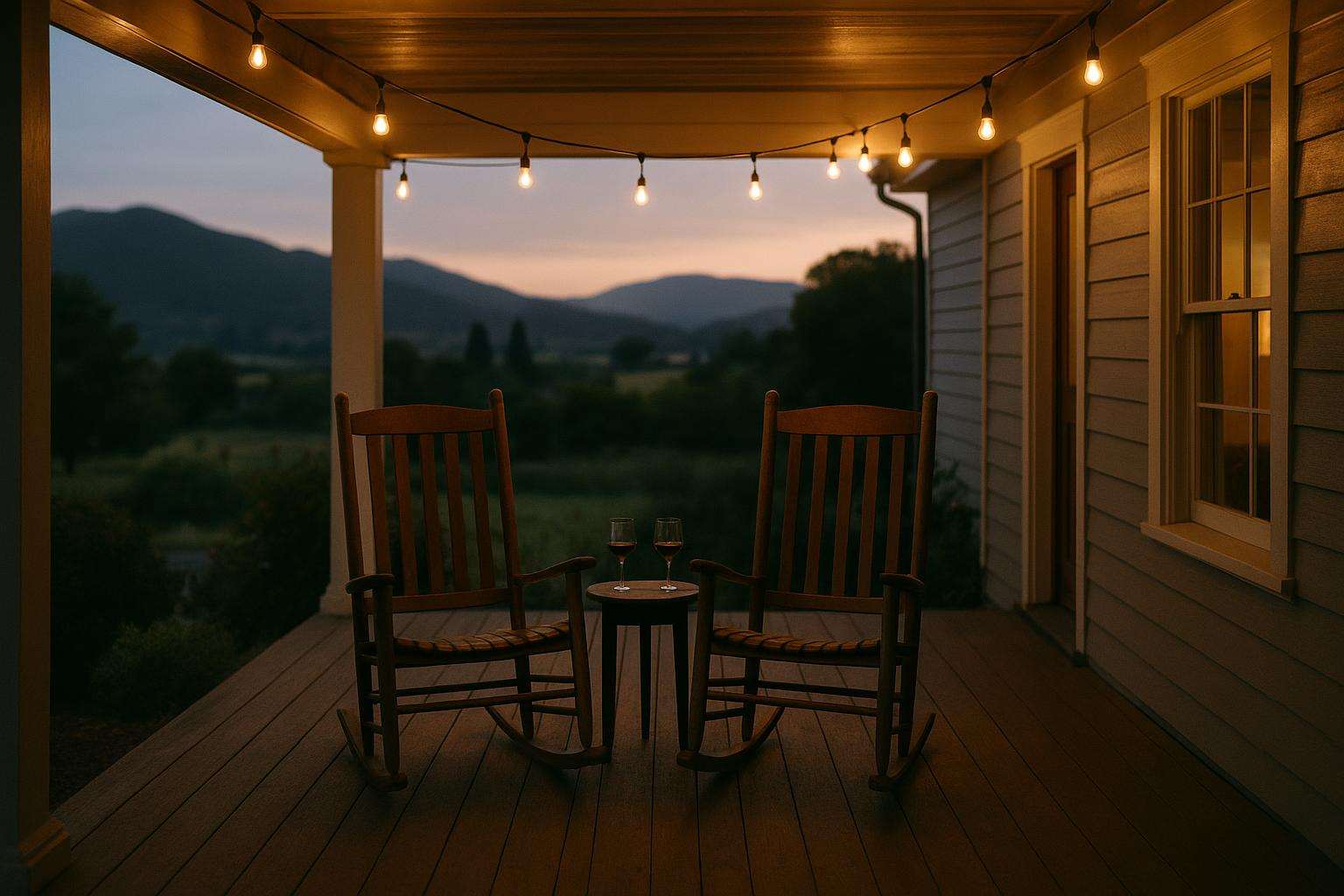
A mini-moon is supposed to relieve wedding stress, not add a fresh layer of it. Yet it is surprisingly easy to turn a two-night getaway into an accidental four-figure splurge — a flagship resort here, a stack of spa treatments there — and undo the whole point. The good news is that a genuinely romantic newlywed escape can be planned deliberately at three clear budget tiers. Below are $500, $1,200 and $2,000-per-couple versions, with the real math and sample itineraries in Sedona and Asheville, two of the most popular domestic mini-moon destinations.
For context, UK data from Aviva puts the average minimoon around £3,438 (~$4,300), but that number includes international short-haul trips and skews high. A domestic US mini-moon lives comfortably in the $500 to $2,000 band if you make three choices: go driveable or short-flight, travel in shoulder season, and keep it to two or three nights. Here is how each tier actually breaks down.
The tier logic: $500 buys you time together somewhere beautiful and close. $1,200 adds a nicer room and one memorable experience. $2,000 adds a short flight, a spa treatment, or a better property. Pick the tier that fits your savings after the wedding — not the one that impresses.
Tier 1 — The $500 mini-moon
This is the lean, driveable weekend: no airfare, one or two nights at a modest inn or B&B, and a handful of simple pleasures. The math for an Asheville version looks like this: two nights at a downtown or West Asheville B&B at ~$180/night = $360; one nice dinner for two = $90; free-to-cheap activities (a Blue Ridge Parkway drive, a brewery flight, a downtown walk) = $50. That lands right around $500, with fuel as the main add-on.
The trade-off is honest: no resort, no spa, one special meal instead of three. What you get instead is the essence of a mini-moon — uninterrupted time somewhere lovely. This tier depends on shoulder-season, midweek dates; Asheville room rates climb sharply during October leaf season, so a spring or early-summer trip protects the budget. A $500 mini-moon works best in mountain towns, wine regions and small historic cities within a two-to-three-hour drive.
Tier 2 — The $1,200 mini-moon
At $1,200 you can upgrade the room and add one genuinely memorable experience. A Sedona version, skipping the flagship resorts, might read: two nights at a well-reviewed mid-range Sedona hotel or inn at ~$300/night = $600; two nice dinners = $180; a couples activity like a jeep tour or a shared spa treatment = $250; and free red-rock hiking on Coconino National Forest land = $0. That totals roughly $1,030, leaving a comfortable cushion for fuel, a bottle of wine or a small splurge.
This tier is the sweet spot for most driveable and short-flight mini-moons. You are no longer counting every dollar, but you are also not paying resort-flagship prices. The move is to spend the extra budget on the room and one standout experience — the trip's centerpiece memory — rather than spreading it thin across many small upgrades.
Tier 3 — The $2,000 mini-moon
Two thousand dollars opens up a short flight, a proper resort, or both — while still staying well under a full honeymoon budget. An elevated Asheville version anchored at the historic Omni Grove Park Inn (~$400 to $600/night as of 2026) might be: two nights at ~$450/night = $900; a couples spa session in the inn's famous subterranean spa = $350; two excellent dinners = $220; a Biltmore Estate tour for two = ~$150. That reaches roughly $1,620 before flights, or the full $2,000 once you add regional airfare and transport.
Alternatively, $2,000 covers a Sedona trip built around a single splurge night at a red-rock resort plus a hot air balloon flight ($200 to $300 per person). The defining feature of this tier is that you can include one true luxury — a landmark property or a signature experience — without the trip stopping feeling like a mini-moon and starting to feel like the honeymoon itself.
The three tiers at a glance
| Element | $500 tier | $1,200 tier | $2,000 tier |
|---|---|---|---|
| Nights | 1–2 | 2 | 2–3 |
| Travel | Drive only | Drive / short flight | Short flight OK |
| Lodging | Modest inn/B&B (~$180/nt) | Mid-range hotel (~$300/nt) | Resort/landmark (~$450+/nt) |
| Signature experience | Free hike or drive | One activity/spa (~$250) | Spa + balloon or Biltmore |
| Dining | 1 special dinner | 2 nice dinners | 2 excellent dinners |
| Sample destination | Asheville shoulder season | Sedona (non-flagship) | Omni Grove Park / Sedona resort |
How to protect whichever tier you choose
Two line items sink most mini-moon budgets: airfare and dining. Going driveable eliminates the first outright, and planning one special dinner instead of three tames the second — you will remember the one great meal far more than the forgettable ones. Travel midweek or in shoulder season, where the identical room can cost 30 to 40% less, and decide your activity splurge in advance so a stack of add-ons does not quietly bump you a tier.
Above all, remember why the tiers stay modest. In Guides for Brides survey data, 24% of couples who delay their full honeymoon do so to rebuild savings. A right-sized mini-moon in this $500 to $2,000 band delivers the immediate post-wedding decompression without touching the honeymoon fund — the affordable appetizer before the main course later.
Frequently asked
How much does a mini-moon cost on average?
Mini-moon budgets sit above a typical short break but well below a full honeymoon, because couples are willing to spend meaningfully on their first trip as newlyweds even in a compressed format. UK data from Aviva puts the average minimoon at about £3,438 (~$4,300) per couple, though that figure skews high because it includes international short-haul trips. For a domestic US mini-moon, a more common reality runs $800 to $4,500 depending on tier: a driveable weekend at the low end, a resort-with-flights getaway at the top. This article focuses on the accessible band — $500 to $2,000 per couple — which is achievable for most newlyweds who choose domestic destinations, travel in shoulder season, and keep the trip to two or three nights.
Can you have a mini-moon for $500?
Yes, if you keep it lean and local. A $500 mini-moon means a driveable destination (no airfare), one or two nights at a modest inn or B&B in the $150 to $200 range, and simple pleasures — a hike, a picnic, one nice dinner rather than three. Shoulder season and midweek dates are essential, since weekend and peak-foliage rates can double the room cost. This tier trades a spa treatment and a resort for time together somewhere beautiful and close to home, which is arguably the truest expression of what a mini-moon is for. It works best in mountain towns, wine regions and small historic cities within a two-to-three-hour drive.
Is Sedona or Asheville cheaper for a mini-moon?
Asheville tends to be the more budget-flexible of the two because it offers a wider range of downtown boutique hotels and nearby cabin and B&B options, and because much of what you do there — Blue Ridge Parkway drives, brewery hopping, downtown walking — is free or inexpensive. Sedona's marquee resorts like the Enchantment Resort start around $600 a night as of 2026, which pushes it toward the higher tier, but Sedona also has mid-range hotels and inns that bring it within a $1,200 to $2,000 mini-moon if you skip the flagship spa resort. The red-rock hiking that defines a Sedona trip is free on Coconino National Forest land. Both can be done affordably; Sedona simply has a higher luxury ceiling that is easy to accidentally hit.
How do I keep a mini-moon budget from creeping up?
The two biggest budget leaks are airfare and dining. Choosing a driveable destination eliminates the first entirely and often saves several hundred dollars. For dining, plan one genuinely special dinner rather than three, and lean on picnics, breakfast at the inn, and casual lunches for the rest — you will remember the one great meal far more than the forgettable ones. Book refundable rates but watch for non-refundable discounts only on properties you are certain about. Travel midweek or in shoulder season, when the same room can cost 30 to 40% less. Finally, decide your activity budget in advance: a single splurge experience, like a hot air balloon or a spa treatment, feels indulgent; a stack of them quietly blows the tier.
Should we spend more on a mini-moon or save it for the honeymoon?
If money is tight, save the bulk of it for the honeymoon. In Guides for Brides survey data, 24% of couples who delay their full trip cite the need to rebuild savings, and the phased structure — a modest mini-moon now, a bigger megamoon later — exists precisely so you do not have to choose between celebrating now and celebrating well. A right-sized mini-moon in the $500 to $2,000 band gives you the immediate post-wedding decompression without draining the honeymoon fund. Treat the mini-moon as the affordable appetizer and let the honeymoon be the main course; overspending on the appetizer is the most common way couples end up cutting the trip they were really dreaming about.