The Milestones
Return to Your Honeymoon Destination: The 5th & 10th Anniversary Guide
Going back to where it started — the Maldives, Bora Bora, the Amalfi Coast — is the most underrated anniversary trip. Here's how to do the return right, from the upgrade path to the logistics that changed since your honeymoon.
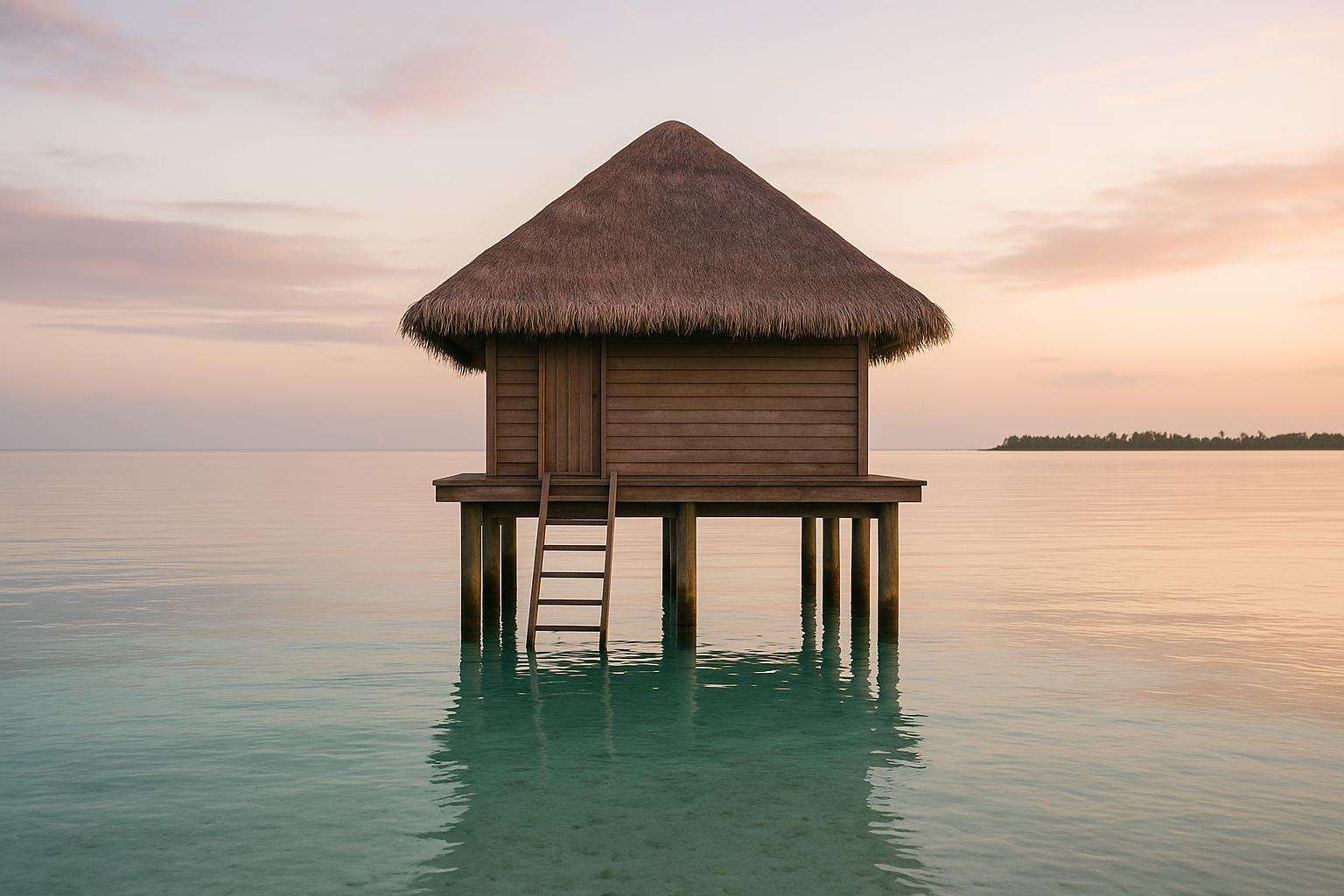
There is a particular kind of anniversary trip that no major travel publication covers well, and it happens to be the most emotionally resonant of them all: going back. Returning to the destination where you honeymooned — the same Maldives lagoon, the same Bora Bora atoll, the same stretch of the Amalfi Coast — at your fifth or tenth anniversary carries a weight that a brand-new destination simply cannot replicate. Fora Travel's advisor data confirms the tenth as one of the most-requested milestone inquiries, and the "return" frame is one of its most compelling variants, per Fora Travel's 10-year anniversary research. After planning and taking these return trips, my conviction is simple: done right, the return is unbeatable; done as a literal replay, it disappoints. The difference is in the planning.
When the return works — and when it doesn't
The return trip rewards destinations with more depth than a single honeymoon week could exhaust. The Amalfi Coast, protected as a UNESCO World Heritage cultural landscape, has enough towns, seasons and moods to feel new on a second visit; so do Bali and Japan. Beach destinations like the Maldives and Bora Bora work when you change the property meaningfully — the same lagoon from a premium sunset villa is a genuinely different experience than from a standard overwater bungalow.
The return works less well when the honeymoon was a single-purpose resort stay you fully experienced — a small all-inclusive you saw end to end. In that case, the same-destination pull is weaker, and a new property in the same region, or a different destination entirely, may serve the milestone better. Be honest about whether the place still has something left to show you.
The property-upgrade path: the heart of a good return
The most satisfying way to make a return feel new is to move up a tier. This is the emotional and practical center of the return trip: from a standard overwater bungalow to a premium villa with a private pool; from a Sandals resort to a Four Seasons; from a mid-range Amalfi hotel to Belmond Hotel Caruso in Ravello. The upgrade reframes the entire trip — same beloved place, elevated experience — and marks the milestone in a way that mirrors how your circumstances have grown since the honeymoon.
In the Maldives and Turks & Caicos, the upgrade might mean an ultra-private property like Amanyara or a top overwater-villa flag you couldn't justify at the honeymoon. In Italy, it might mean the cliffside suite you walked past a decade ago. Whatever the destination, the upgrade is where a return trip earns its cost — and where the affiliate-worthy "then versus now" story practically writes itself in your own memory.
What has changed since your honeymoon
Five to ten years is long enough that the logistics have shifted, and overlooking that is the most common return-trip mistake. Three things to verify:
- Entry requirements. Non-EU travelers to Europe now need the ETIAS visa waiver, which most honeymooners a decade ago never encountered; e-visa and ESTA systems have evolved too. Confirm current rules on your government's official travel-advisory page close to departure.
- Passports. Many destinations require at least six months' validity beyond your return date. If a renewal is needed, the US allows mail-in renewal via Form DS-82 with standard processing of 6–8 weeks, per the U.S. Department of State — start early.
- The property itself. Resorts get rebranded, sold or renovated. Your original room category may no longer exist, and rates will have risen. Research the current landscape rather than assuming the property you remember is unchanged.
Always disclose the return
A returning couple is a property's favorite kind of guest, and disclosing it unlocks real benefits. Luxury flags — Four Seasons, Aman, Rosewood, COMO — offer anniversary amenities (champagne, florals, upgrades, special turndown) when you flag the occasion at booking and reconfirm on arrival. Tell them you honeymooned there, note the milestone year, and email the property directly about a week out. Guest-relations teams routinely go further for a couple returning to mark a decade than for a first-time arrival.
Booking windows for the return
Book to the destination's rhythm, and book the upgraded room early because the best categories sell first. Beach and overwater destinations (Maldives, Bora Bora) want 6–9 months; European coastal and city destinations (Amalfi Coast, Santorini) want 4–8 months, with marquee seasonal hotels filling July–August a full year out. Since the room is the point of a return trip, secure the specific higher-tier villa or suite at the longer end of the window rather than settling for what remains.
The trip that closes a loop
What makes the return so powerful is that it closes a loop: you stand in the place your marriage began, with the perspective of years, and you get to do it better. Change the tier, shift the season, add a leg — honor the memory without replaying it — and a return anniversary trip becomes something a new destination never could: proof, in the same setting, of how far you've come.
Frequently asked
Should we return to our honeymoon destination for our anniversary?
It's one of the most rewarding anniversary trips if the destination has enough depth to reward a second visit and you approach it as an evolution rather than a replay. The return works best for destinations with layers you didn't exhaust the first time — the Amalfi Coast, Bali, Japan — or for beach destinations where you upgrade the property meaningfully. It works less well if the honeymoon was a single-purpose resort stay you fully experienced. The emotional payoff is real: revisiting the place where your marriage began, at a milestone year, carries a nostalgia that a brand-new destination can't. Just plan to change something significant so it feels new.
How do you make a return trip feel different from the honeymoon?
Change the property tier, the season, or the itinerary. The most common and satisfying move is a property upgrade — from a standard overwater bungalow to a premium sunset villa, or from a Sandals resort to a Four Seasons. That single change reframes the whole trip. Traveling in a different season shows you a different face of the same place; the Amalfi Coast in September is a different experience from June. Adding a new leg — a Kyoto extension to a Tokyo return, or a different Maldives atoll — keeps the familiar anchor while introducing discovery. The goal is to honor the memory without producing a carbon copy of it.
What has changed since our honeymoon that we should check?
Entry requirements are the big one. Non-EU travelers to Europe now need the ETIAS visa waiver, which did not exist for most honeymooners a decade ago; the US ESTA and various e-visa systems have also evolved. Confirm current rules on your government's official travel-advisory page close to departure. Check your passports have at least six months' validity beyond your return date, since many destinations enforce this. Prices and property ownership shift too — resorts get rebranded, rates rise, and the room category you had may no longer exist. And loyalty programs change: the points that were worth a night at your honeymoon resort may now cover more, or less.
Is it worth telling the resort it's a return anniversary trip?
Absolutely, and it's one of the strongest reasons to book direct or through an advisor. Luxury properties — Four Seasons, Aman, Rosewood, COMO — offer dedicated anniversary amenities like champagne, florals, room upgrades and special turndown when you disclose the occasion at booking and reconfirm on arrival. A return trip is even more compelling to a property's guest-relations team than a first visit, because it signals loyalty and a milestone. Mention that you honeymooned there, note the anniversary year, and email the property directly about a week before arrival. Many will go further for a returning couple marking a decade than they would for a first-time guest.
When should we book a return anniversary trip?
Book to the destination's rhythm. Beach and overwater destinations like the Maldives and Bora Bora want 6–9 months of lead time, especially for premium villa categories that sell out first. European city and coastal destinations like the Amalfi Coast want 4–8 months, with the marquee seasonal hotels booking a full year ahead for July and August. If you're upgrading to a specific higher-tier room — a sunset overwater villa, a suite with a private pool — book at the longer end of the window, because those categories are the scarcest. For a milestone return, the room is the point, so secure it early rather than settling for what's left.
What if our honeymoon resort no longer exists or has changed?
This is common over 5–10 years, and it's often an opportunity rather than a loss. Resorts get rebranded, sold, or renovated; a property that was mid-tier at your honeymoon may now be a luxury flag, or vice versa. If your original resort is gone, returning to the same destination and choosing a new property still delivers the emotional payoff of the place — the beach, the island, the coastline where it began. If it's been upgraded, you may find the return naturally becomes the property-upgrade trip you were considering anyway. Research the current landscape before assuming the return isn't possible; the destination usually endures even when a specific hotel doesn't.