Planning
Planning a Honeymoon After a Destination Wedding: Timing & Logistics
You are already in paradise, guests are departing, and the honeymoon question is: stay put or move on? The timing, room-block, and logistics decisions that turn the awkward handoff from wedding host to honeymooner into the smoothest transition of the trip.
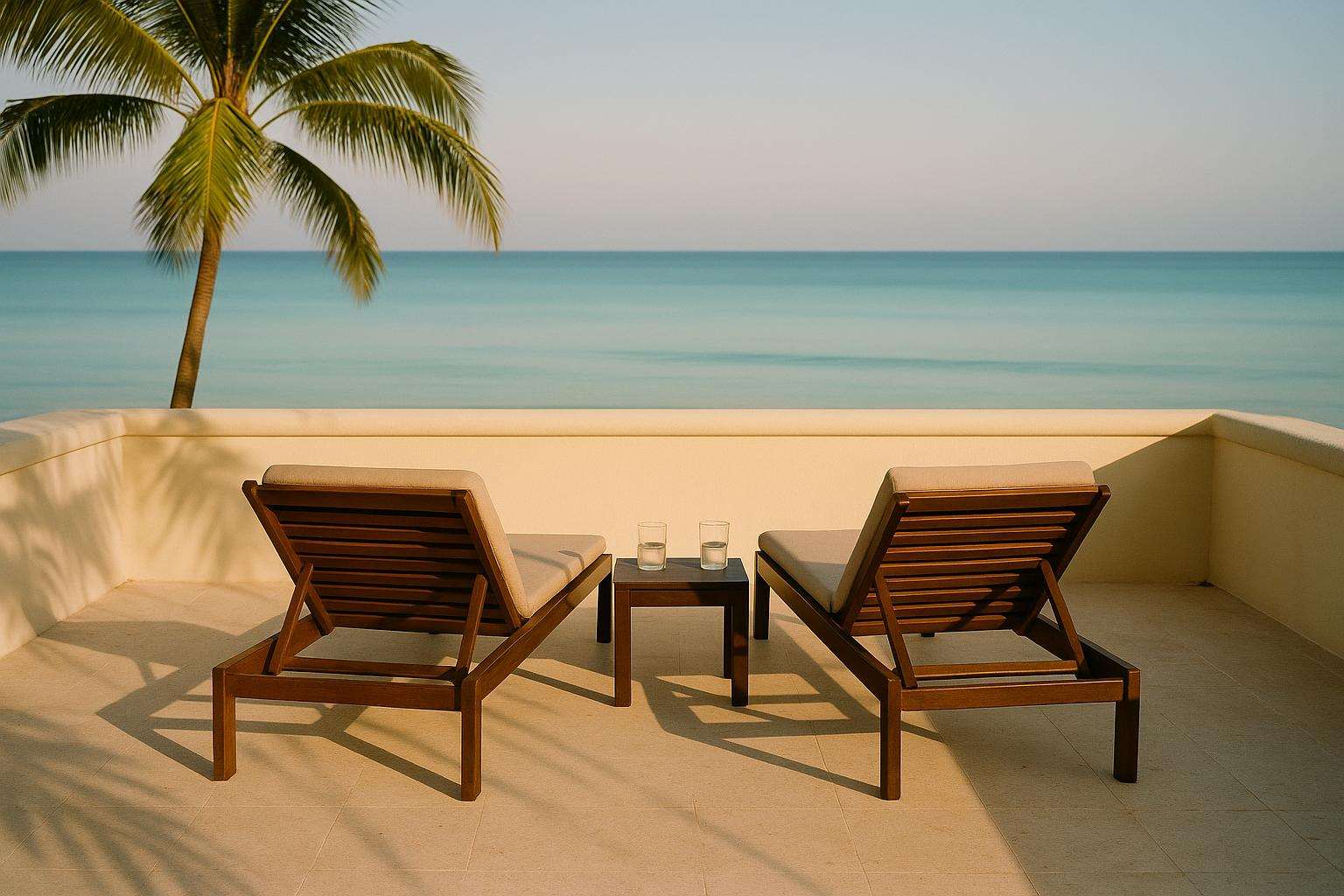
Every couple faces the wedding-to-honeymoon handoff, but destination-wedding couples face a strange, specific version of it: the honeymoon is supposed to begin exactly where you have just spent days hosting, coordinating, and being on for everyone you know. You are already in paradise, but you have been working. The guests are checking out, and now the question lands — do you stay put and finally exhale, or move somewhere new for a clean break? Get the timing and logistics right and the transition becomes the smoothest part of the whole trip. Get it wrong and the honeymoon feels like a tired epilogue to the wedding.
The two decisions that matter: stay-versus-move, and how you engineer the transition. A change of pace — new room, private dinner, couple experiences, a decompression buffer — signals "honeymoon" more powerfully than a change of place. And the wedding room block is your lever to fund it.
Why this handoff is uniquely tricky
Destination weddings are now mainstream: roughly 31% of U.S. weddings are destination weddings, per Destify's 2026 data, and the honeymoon that follows is a serious phase in its own right — Fora Travel reports that 64% of their clients spend $10,000 or more on it. Yet couples routinely under-plan the honeymoon leg because it feels like it will simply happen once the wedding ends. It won't. Hosting is genuinely depleting, and "we'll figure it out when we're there" is how a honeymoon becomes an extension of the event rather than an escape from it.
Stay or move? A clear framework
Neither choice is wrong; the decision turns on how strongly you associate the property with hosting duties. Staying put is the lowest-friction option — no additional transfer, staff who already know you're the couple, and often the simplest path to extending your reservation or capturing a suite upgrade. It suits couples who found the resort truly restful. Moving, even a short transfer to a nearby property, creates a psychological clean break between wedding mode and honeymoon mode that many couples discover they need after days of being "on."
The strongest option for most is the hybrid: stay one or two nights at the wedding resort to decompress with the last of the guests gone, then transfer to a more secluded or adults-only property for the honeymoon proper. In Cancun, the Riviera Maya, and Punta Cana, adults-only sister properties or sections are frequently a short drive away, making this easy to arrange.
The room block is your honeymoon budget lever
The wedding room block is the couple's most underused financial instrument. Resort families reward room-night volume with perks that scale — complimentary welcome events, free room credits, and, most valuably for honeymooners, suite or butler-category upgrades once a booking threshold is met. A block for around 75 guests represents roughly $45,000 in room revenue to the resort, which is real leverage. When you negotiate it, ask two pointed questions: exactly what does the couple receive at each tier, and can an upgrade or complimentary nights be applied to your post-wedding honeymoon stay rather than only the wedding nights? Many couples leave free nights and upgrades on the table simply because they never asked to redirect them to the honeymoon leg.
Sequencing the transition — a change of pace beats a change of place
Whether you stay or move, the honeymoon needs to feel different from the wedding, and that is engineered through pace, not just location. If you stay at the same resort, shift into a different room category or building, book a private dinner for two on the first night alone, swap group activities for couple experiences (a spa afternoon, a private snorkeling guide, a sunset sail), and ask the resort to reset your service touchpoints so you're greeted as honeymooners, not as the hosts. If you move, the transfer itself does much of this work. Either way, the goal is a clear signal to both of you that the celebration is complete and the couple's own trip has begun.
| Option | Best for | Main advantage | Watch out for |
|---|---|---|---|
| Stay at wedding resort | Couples who found it restful | Zero transfer; easy upgrade path | Can blur into "longer wedding" |
| Move to new property | Couples needing a clean break | Clear psychological reset | Extra transfer + booking to manage |
| Hybrid (stay 1-2 nights, then move) | Most couples | Decompress, then reset | Requires coordinating two stays |
Timing and the decompression buffer
Build in at least a one-to-two-night buffer between the guests' departure and the start of the honeymoon proper. Use it to sleep, do laundry, and reset — starting a honeymoon depleted is the most common self-inflicted wound of the destination-wedding couple. If your honeymoon is elsewhere and involves an onward flight, the same discipline that governs any wedding-to-honeymoon gap applies: while 41% of couples depart within two days of the reception per The Knot, a 24-48 hour cushion protects you from the schedule risk of connecting travel while exhausted.
Which destinations make it easiest
Mexico and the Caribbean dominate destination-wedding volume because they make the combination seamless: dense clusters of all-inclusive resorts with dedicated wedding teams, adults-only options a short transfer away, no visa friction for U.S. travelers, and short flight times. Sandals, adults-only and built around combined wedding-and-honeymoon programs, is a frequent one-brand solution. Cancun and the Riviera Maya, Punta Cana, and the wider Caribbean all support the stay-then-move hybrid especially well. As always, verify current package terms, transfer logistics, and cancellation policies directly with the resort before committing, and protect the honeymoon leg with its own insurance rather than assuming the wedding booking's terms cover it.
Plan the honeymoon as its own trip
The single mindset shift that fixes most of these problems: treat the honeymoon as a distinct phase with its own budget, its own protection, and its own small plan — not as whatever happens after the last guest leaves. Use a destination-wedding checklist to keep the two phases separate on paper, negotiate the room block toward honeymoon perks, insert a decompression buffer, and engineer the change of pace. Do that, and the moment the last shuttle pulls away becomes not the end of the celebration but the quiet, deliberate beginning of the trip that was actually yours all along.
Frequently asked
Should we stay at the wedding resort or move for the honeymoon?
Both work; the decision hinges on how strongly you associate the property with hosting duties. Staying put is the low-friction choice — no additional transfer, familiar staff who already know you are the couple, and often the ability to extend your existing reservation or slide into a suite upgrade. It suits couples who found the resort genuinely relaxing and want zero logistics after the event. Moving to a new property, even a short transfer away, creates a clean psychological break between wedding mode and honeymoon mode, which many couples find they need after days of coordinating guests. A popular hybrid is to stay one or two nights at the wedding resort to decompress, then move to a nearby adults-only or more secluded property for the honeymoon proper — the best of both.
How do we use the wedding room block to our advantage on the honeymoon?
The room block is the couple's biggest hidden lever. Resort families reward room-night volume with perks that scale — complimentary events, free room credits, and crucially, suite or butler-category upgrades for the couple upon meeting a booking threshold. UNICO's model of one free room per 12-15 booked and Secrets/AMResorts' complimentary-night structures are among the most favorable. When you negotiate the block, ask specifically what the couple receives for hitting each tier and whether an upgrade or complimentary nights can be applied to your post-wedding honeymoon stay, not just the wedding nights. Because a block for roughly 75 guests represents around $45,000 in room revenue to the resort, you have real leverage — use it to fund the honeymoon leg, not only the celebration.
How long should we wait between the wedding and the honeymoon?
If you are honeymooning at or near the wedding destination, build in at least a one-to-two-night buffer between the guests' departure and the start of your honeymoon proper. Hosting a destination wedding is genuinely tiring — days of welcome events, coordination, and being on for everyone — and diving straight into the honeymoon without a breath means starting it depleted. Use the buffer to sleep, do laundry, and reset. If instead you are traveling elsewhere for the honeymoon, the same logic that governs any wedding-to-honeymoon gap applies: 41% of couples in The Knot's data departed within two days of the reception, but a 24-48 hour cushion before any onward flight protects against the schedule risk of connecting travel while exhausted.
Can we combine the destination wedding and honeymoon at the same resort?
Yes, and it is increasingly common because the economics and logistics favor it. You are already at a beautiful property with a booking, staff who know you, and no additional airfare — so extending into a honeymoon captures the setting twice. Fora Travel data shows a striking 64% of their clients spend $10,000 or more on the honeymoon, so the extension is a meaningful phase, not an afterthought. To make a same-resort combination feel like a distinct honeymoon rather than a longer wedding trip, engineer transitions: move to a different room category or building, plan a private dinner on the first night alone, switch from group activities to couple experiences, and ask the resort to reset your service touchpoints. The change of pace, more than a change of place, is what signals the new chapter.
Which destinations make combining a wedding and honeymoon easiest?
Mexico and the Caribbean dominate destination-wedding volume precisely because they make the combination seamless. Cancun and the Riviera Maya, Punta Cana in the Dominican Republic, and the broader Caribbean offer high concentrations of all-inclusive resorts with dedicated wedding teams and adults-only sister properties or sections a short transfer away — ideal for the stay-one-then-move hybrid. Sandals, which is adults-only and markets combined wedding-and-honeymoon programs, is a common choice for couples who want both handled under one brand. The practical advantages are predictable per-guest costs for the wedding, no visa friction for U.S. travelers to most of these destinations, and short flight times that keep both the guest experience and the honeymoon extension low-stress. Verify current package and transfer details directly with the resort before committing.
What are the biggest logistical mistakes destination-wedding couples make with the honeymoon?
The most common is treating the honeymoon as an automatic continuation and doing no separate planning, so it becomes a tired extension of the wedding rather than its own experience. A close second is booking the honeymoon leg on the same non-refundable terms as the wedding block without insurance, leaving the whole trip exposed if plans change. Third is scheduling zero buffer, starting the honeymoon exhausted the morning after the last guest leaves. Fourth is failing to negotiate the room-block perks toward the honeymoon stay, forfeiting free nights or upgrades the couple was entitled to. Avoid all four by planning the honeymoon as a distinct phase with its own budget and protection, inserting a decompression buffer, and explicitly asking the resort to apply block-earned perks to your post-wedding nights.