Planning
Honeymoon Visa Requirements for US Couples 2026: Maldives, Bali, Thailand, Greece & Italy
A destination-by-destination breakdown of entry rules, fees, and digital arrival cards for the five most-searched honeymoon destinations — plus the 2026 policy changes that catch couples off guard.
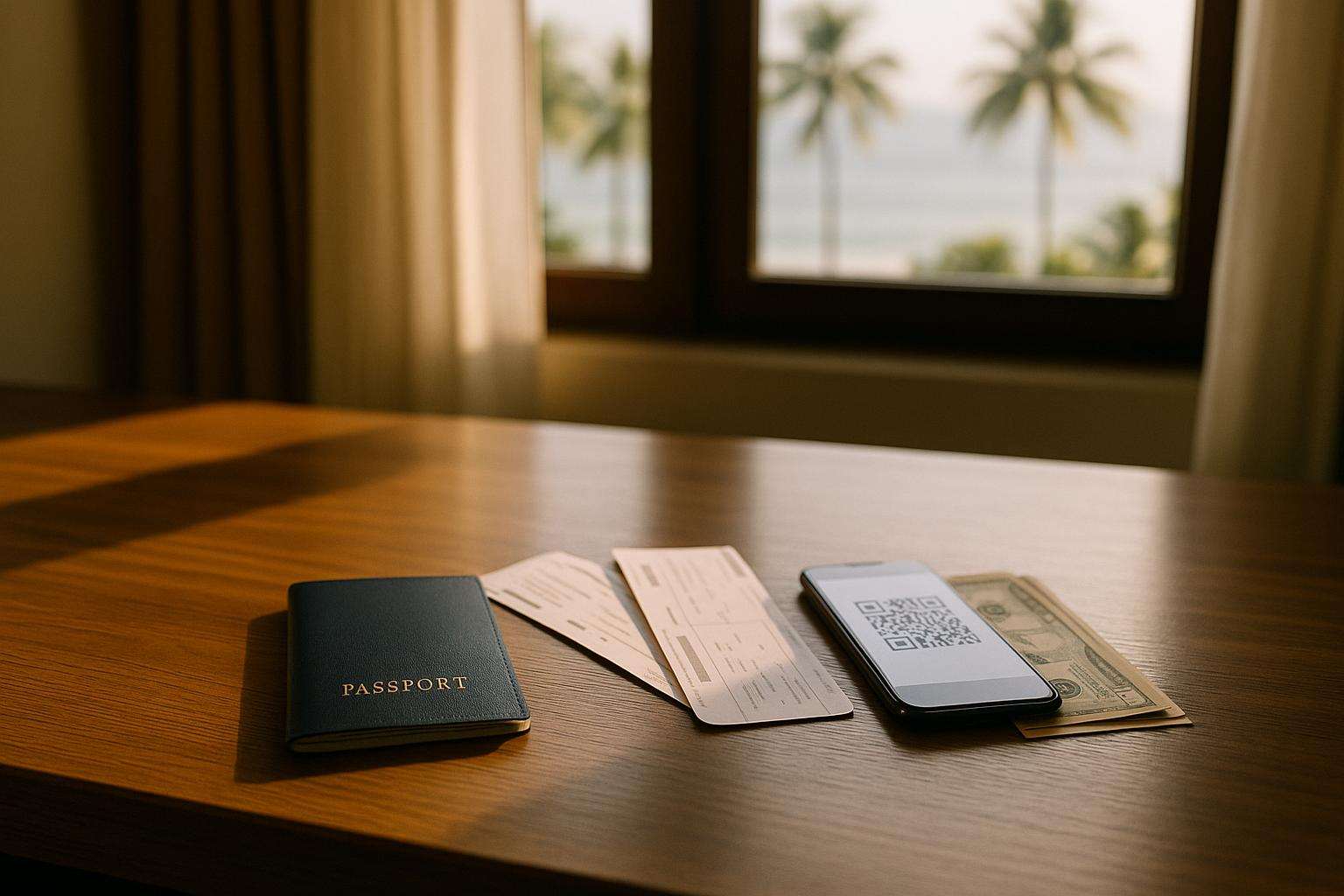
Of the roughly two dozen destinations US couples shortlist for a honeymoon, five dominate the search traffic: the Maldives, Bali, Thailand, Greece, and Italy. The reassuring headline is that a US passport is one of the world's strongest, granting visa-free or visa-on-arrival access to around 179 countries and territories. But "strong passport" does not mean "nothing to do." Each of these five destinations has its own paperwork, its own fees, and — critically for 2026 — its own recent rule changes. Below is exactly what you and your spouse need before you fly, drawn from official government sources.
Which honeymoon destinations need a visa in advance?
Only one of the five requires you to do anything online before departure: Bali. Indonesia does not admit US citizens visa-free. You must obtain either a Visa on Arrival or, preferably, the Electronic Visa on Arrival (e-VOA) online in advance. The e-VOA costs IDR 500,000 — approximately $35 as of 2026 — grants a 30-day stay extendable once for another 30 days, and should be applied for at least 48 hours before your flight so you can use the automated immigration gates at Denpasar's Ngurah Rai Airport. Layered on top is a separate Bali Tourist Levy of IDR 150,000 (about $10), introduced in 2024 and charged to every international visitor, plus the mandatory All-Indonesia digital declaration card that has been required at major airports since October 2025.
The other four require nothing to be purchased in advance, but three of them require a free digital form to be filed before or shortly after arrival — the modern replacement for the old paper landing cards.
Maldives: free visa on arrival, one online declaration
US citizens receive a complimentary 30-day visitor visa stamped on arrival at Velana International Airport — no application, no fee. The only mandatory step is the Maldives Traveler Declaration, which both of you must complete through the government's official IMUGA portal within 96 hours before departure. This is the single most common place couples get scammed: numerous third-party sites offer to file this free declaration "for you" at a charge. IMUGA is the only legitimate channel; do not pay anyone for it. The 30-day visa is extendable for up to 60 additional days through the Maldives Immigration Department, and your passport must be valid at least one month beyond your departure date (six months is the safer working rule).
Thailand: the visa-free window just got shorter
Thailand is visa-free for US citizens, but 2026 brought a meaningful change. On May 19, 2026, the Thai Cabinet approved reducing the visa-free stay from 60 days back to 30 days, reversing a pandemic-era tourism measure. For a typical honeymoon this is immaterial — almost no one stays a month — but couples building a longer Southeast Asia itinerary should note it. A one-time 30-day extension remains available at any Thai immigration office for roughly THB 1,900 (about $55). Every arrival must also complete the Thailand Digital Arrival Card (TDAC) — a free online form introduced in 2025 that replaced the paper TM6 — within 72 hours of arrival, generating a QR code to show at immigration. Your passport must be valid at least six months from arrival.
Greece and Italy: no visa, but count your Schengen days
Both Greece and Italy sit inside the Schengen Area, so there is no separate Greek or Italian visa. US citizens may visit visa-free for up to 90 days within any rolling 180-day period, and that allowance is shared across all 29 Schengen member states combined — so a honeymoon that hops from Rome to Santorini to Paris draws down a single 90-day budget. Your passport must be valid at least three months beyond your planned EU departure date and must have been issued within the previous ten years; both conditions must be met. Since the EU's Entry/Exit System (EES) became fully operational in April 2026, your biometrics and exact travel dates are recorded digitally at each border, so day-counting is now enforced automatically rather than by an officer's flip through your stamps. ETIAS — a €20 electronic pre-travel authorization comparable to the US ESTA — is expected to launch in Q4 2026 but is not yet active, so no fee is currently required for US citizens.
At-a-glance comparison for US couples in 2026
| Destination | Advance visa? | Cost per person | Digital form required | Passport validity |
|---|---|---|---|---|
| Maldives | No (VOA, free) | $0 | IMUGA declaration (within 96 hrs before travel) | 1 month beyond departure |
| Bali (Indonesia) | Yes — e-VOA online | ~$35 + ~$10 tourist levy | All-Indonesia declaration card | 6 months from arrival |
| Thailand | No (visa-free, 30 days) | $0 | Thailand Digital Arrival Card (within 72 hrs) | 6 months from arrival |
| Greece | No (Schengen, 90/180) | $0 (ETIAS ~€20 later in 2026) | EES biometrics captured at border | 3 months beyond EU exit |
| Italy | No (Schengen, 90/180) | $0 (ETIAS ~€20 later in 2026) | EES biometrics captured at border | 3 months beyond EU exit |
The one rule that beats them all: book every flight, hotel, and cruise under the exact name on the passport you will actually carry. For most newlyweds that is still the maiden name — a marriage certificate does not update your passport, and starting a name change before the trip can leave you without a valid document while the State Department holds it. Travel first, change names later.
The honest tradeoffs and gotchas
A few things routinely trip couples up. First, the fraudulent-portal problem is real for both the Maldives and, increasingly, for e-visa destinations generally — always start from an official .gov or clearly government-run site, and be suspicious of any "expedited" upsell. Second, the Schengen 90/180 rule confuses people because the 180-day window rolls: exiting for a week does not reset the clock, so a long spring trip can eat into a fall trip's allowance. Third, passport validity requirements differ — the Maldives asks for just one month, but airlines and downstream connections often enforce six, so treat six months as your universal minimum. Finally, none of these destinations accepts a passport card for air travel; both spouses need the full passport book. Verify each requirement on the official government portal within a few weeks of departure, because 2026 has already delivered mid-year policy shifts and more may follow.
Frequently asked
Do US citizens need a visa for the Maldives honeymoon?
No advance visa is required. US citizens receive a complimentary 30-day visitor visa on arrival at Velana International Airport, extendable for up to 60 additional days through the Maldives Immigration Department. The one mandatory step is the Maldives Traveler Declaration, which both spouses must complete through the government's official IMUGA portal within 96 hours before departure. That portal is the only legitimate channel — third-party sites charging a fee for the declaration are fraudulent. Your passport must be valid at least one month beyond your planned departure date, though airlines and hotels generally expect six months of validity to avoid problems at check-in.
How much does the Bali e-VOA cost and when should we apply?
Indonesia's Electronic Visa on Arrival (e-VOA) costs IDR 500,000, roughly $35 as of 2026, per person. It grants a 30-day stay that can be extended once for another 30 days. Apply online at least 48 hours before your flight so you can use the automated immigration gates at Denpasar's Ngurah Rai Airport. A separate Bali Tourist Levy of IDR 150,000, about $10, applies to every international visitor. Your passport must be valid for at least six months from arrival, and you must complete the mandatory All-Indonesia digital declaration card, required at all major airports since October 2025.
Why did Thailand's visa-free stay change in 2026?
The Thai Cabinet approved reducing the visa-free stay for US citizens and most other nationalities from 60 days back to 30 days on May 19, 2026, reversing a pandemic-era tourism-recovery measure. Travelers already in-country when the rule published keep their original entry stamp. For a honeymoon this rarely matters — few couples stay a month — but if you plan a longer Southeast Asia trip, a one-time 30-day extension is available at any Thai immigration office for roughly THB 1,900, about $55. All arrivals must also complete the free Thailand Digital Arrival Card within 72 hours of arrival to receive a QR code for immigration.
Do Greece and Italy require separate visas for US honeymooners?
No. Both countries are in the Schengen Area, so US citizens visit visa-free for up to 90 days within any rolling 180-day period across all 29 Schengen states combined — no separate Greek or Italian visa is issued. Your passport must be valid at least three months beyond your planned departure from the EU and must have been issued within the previous ten years. Since the Entry/Exit System became fully operational in April 2026, biometrics and travel dates are recorded digitally at each border, so accurate day-counting matters more than ever. ETIAS, a €20 pre-travel authorization, is expected in Q4 2026 but is not yet required.
Can we use a passport card instead of a passport book for these destinations?
No. A US passport card is valid only for land and sea entry between the US and Canada, Mexico, the Caribbean, and Bermuda — it cannot be used for any international air travel. Every destination in this guide requires the full passport book for air arrival. Both spouses need their own valid passport book; there is no shared or family document for adults. If either of you is renewing or applying for the first time, factor the State Department's current 4–6 week routine (or 2–3 week expedited) processing window into your timeline, and remember that mailing can add up to two weeks on each end.
Should we book the honeymoon under a maiden name or married name?
Book everything — flights, hotels, and cruises — under the exact name on the passport you will carry, which for most newlyweds is still the maiden name. A marriage certificate does not update your passport, and your existing document remains fully valid under your current name until it expires. Do not start a passport name change before the trip, because the State Department holds your existing passport during processing and you could be left without a travel document. The safest sequence is to travel on the current passport, return home, then process the name change through Social Security first and the passport afterward.