Planning
Traveling Under Your New Married Name: TSA, Airline & State Dept Rules
The one rule that governs post-wedding travel is non-negotiable: the name on your boarding pass must match your ID exactly. Here is how TSA, the airlines, and the State Department actually handle a new married name — and the sequence that keeps your honeymoon trouble-free.
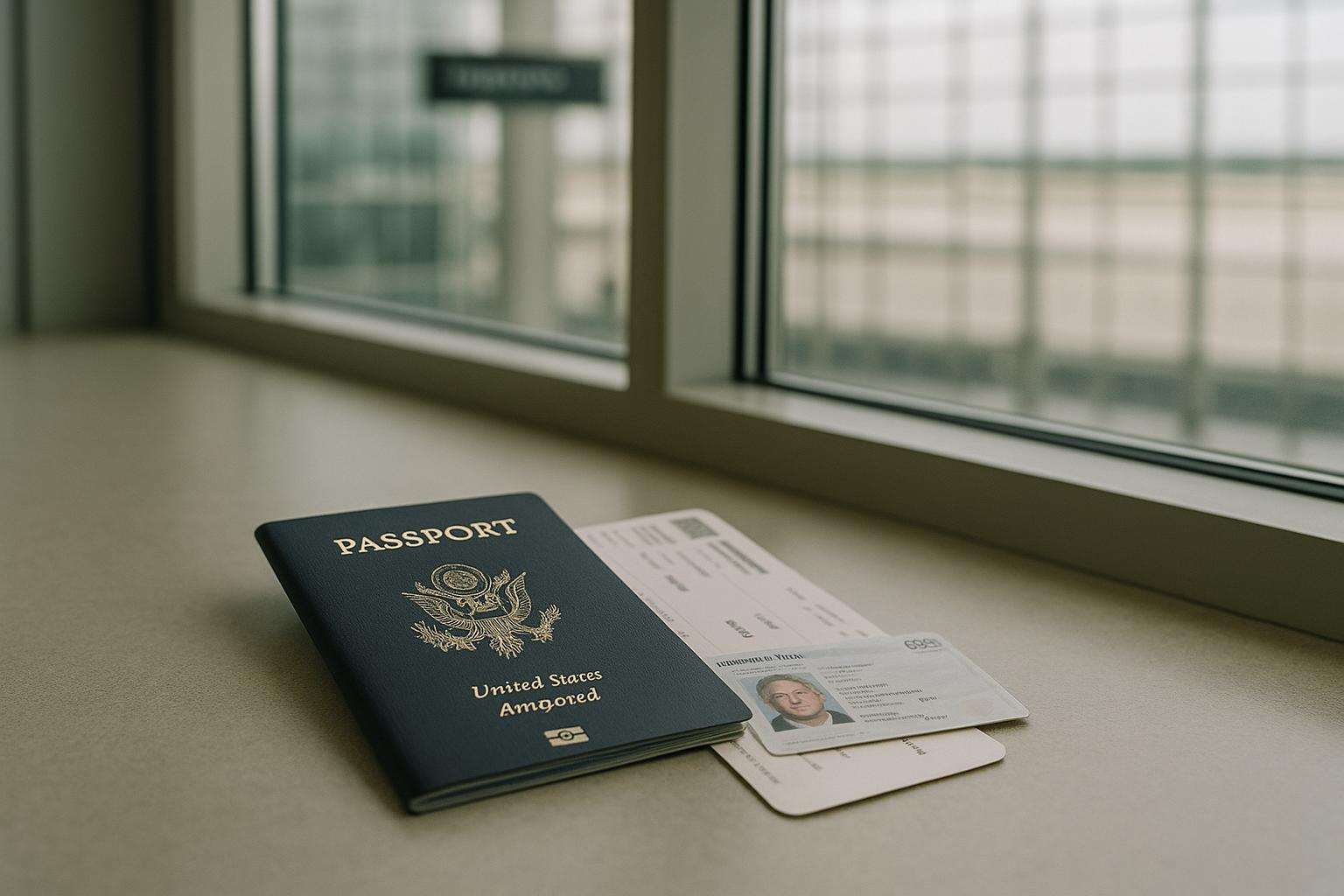
Name-change logistics are one of the most underestimated practical challenges for newlyweds with immediate post-wedding travel. The governing rule is simple and non-negotiable: the name on your boarding pass must exactly match the name on the government-issued ID or passport you present at security and at the gate. Get this right and it is a non-issue; get it wrong and you risk losing your PreCheck lane, paying airline correction fees, or in a serious mismatch, being unable to board. Here is how TSA, the airlines, and the State Department actually handle a new married name — and the sequence that keeps your honeymoon clean.
The one rule: match your documents
TSA's Secure Flight Program requires airlines to collect each traveler's full legal name exactly as it appears on government-issued ID at booking. A boarding-pass name that does not precisely match the ID — even by a single character, a hyphen, or a missing middle name — can push you into the standard security lane rather than PreCheck, and in more serious mismatches can prevent boarding. Airlines do not uniformly accept a marriage certificate as an on-the-spot fix, and CBP officers at international entry are not trained to reconcile marriage certificates against mismatched documents. The rule is total: ticket, ID, loyalty account, insurance policy, and hotel reservation should all reflect the same name as the passport you carry.
Why you should travel on your maiden-name passport
For couples honeymooning immediately or within weeks of the wedding, the universal recommendation from travel advisors and the State Department alike is to book everything under the exact name on the current, valid passport. A marriage certificate legally confers the new name, but it does not update your travel documents. Your existing passport remains fully valid under your maiden name until its expiration date, regardless of whether you have changed your name with Social Security or the DMV. Critically, initiating a passport name change before the honeymoon creates real risk: the State Department holds your existing passport during processing, which can leave you without a valid document if the application is still pending at departure. Travel on the maiden-name passport; change it after you return.
The cardinal rule: travel on your maiden-name passport and book every component under that exact name. Do not begin any passport name change until after the honeymoon. A maiden-name passport is legally valid and presents no problem at any border — the trouble only arises when a ticket and a document disagree.
The correct name-change sequence
Order matters, because downstream agencies verify against upstream records. Follow this sequence after you return:
| Step | What to do | Typical timing / cost |
|---|---|---|
| 1 | Social Security (Form SS-5) | 3–7 business days; free |
| 2 | Passport (DS-5504 or DS-82) | DS-5504 free if <1 yr old; DS-82 $130 if older |
| 3 | Driver's license / REAL ID (DMV) | Varies by state |
| 4 | TSA PreCheck / Global Entry | Update online or via provider |
| 5 | Airline loyalty accounts & credit cards | Online; do last |
Do Social Security first because other agencies check SSA records; skipping the order invites rejections. Passport name changes use Form DS-5504 (free, if the passport is under a year old) or DS-82 ($130, if older).
TSA PreCheck, Global Entry, and REAL ID
Neither PreCheck nor Global Entry updates automatically after a name change. Both require the membership name to match your boarding pass to display the PreCheck indicator. Updating Global Entry online cascades the change to TSA PreCheck, but the reverse does not happen; members enrolled through a third-party provider must contact that provider with documentation. Fly under a new name without updating and you simply forfeit the PreCheck lane for that trip. For domestic flights, remember that the REAL ID requirement is now enforced — but this rarely bites a honeymooner, because a valid passport is always acceptable ID, and you should be flying on your maiden-name passport anyway.
Airline ticket name policies
Airlines treat marriage-related name changes inconsistently. Most major U.S. carriers, including Delta and American Airlines, permit a name correction — distinguished from a full name change — when you present a marriage certificate, but policies, fees, and the correction-versus-change definition vary by airline and fare class. Corrections on nonrefundable tickets often require a specialized support line and may carry administrative fees. The clean solution for couples booking before the wedding is to book under the maiden name that matches the passport and sidestep the issue entirely.
International specifics
For international travel the stakes of a mismatch are higher. At international check-in, airlines are legally required to verify the ticket name against the travel document before issuing a boarding pass, and at foreign immigration, officers verify the passport against the entry stamp. A maiden-name passport presents no problem whatsoever — it was issued legally and is valid. The problem arises only when a ticket is booked in a married name while the passport still shows the maiden name, or vice versa. Keep it consistent end to end and international travel on a maiden-name passport is completely routine.
The bottom line
Post-wedding travel is trouble-free when you treat the passport as the single source of truth. Book everything to match it, carry it, and do not touch your legal name until you are home. Then run the change sequence in order — Social Security, passport, license, trusted-traveler programs, loyalty and cards — and every future boarding pass will line up cleanly with your new name.
Frequently asked
Should I change my name before or after my honeymoon?
After the honeymoon, without exception if you are traveling internationally. Your existing maiden-name passport remains fully valid until its expiration date regardless of your legal marital status, so travel on it. Initiating a passport name change before departure is risky because the State Department holds your existing passport during processing, which can leave you without a valid travel document if the application is still pending at departure. Book every travel component under the name on the passport you will carry, enjoy the trip, and process the name change only after you return home.
What happens if my boarding pass name doesn't match my ID?
TSA's Secure Flight Program requires airlines to collect your full legal name exactly as it appears on your government-issued ID at booking. A boarding pass name that does not precisely match the ID — even by a hyphen or a missing middle name — can force you into the standard security lane instead of PreCheck, and in more serious mismatches can prevent boarding entirely. Airlines do not uniformly accept a marriage certificate as an on-the-spot remedy at check-in, and CBP officers at international entry are not trained to reconcile marriage certificates against mismatched documents. Match everything to the passport you carry.
What is the correct name-change sequence after the wedding?
Travel first on your maiden-name passport. After you return, process the Social Security name change (Form SS-5) first, which often takes three to seven business days. Next update the passport — Form DS-5504 is free if the passport is under one year old, or Form DS-82 at $130 if it is older than a year. Then update your driver's license or REAL ID at the DMV, which varies by state. Finally, update airline loyalty accounts, TSA PreCheck or Global Entry, and credit cards. Doing Social Security first prevents downstream rejections, since other agencies verify against SSA records.
Do I need to update TSA PreCheck or Global Entry after a name change?
Yes, and it does not happen automatically. Both programs require the name on your membership to match your boarding pass exactly to display the PreCheck indicator, and a marriage-related change does not propagate on its own. Updating Global Entry online through the Trusted Traveler Program cascades the change to TSA PreCheck, but the reverse is not true. Members enrolled through a third-party provider must contact that provider directly with documentation of the legal name change. If you fly under a new name before updating, you simply lose the PreCheck lane benefit for that trip.
Can airlines change the name on my ticket after marriage?
Sometimes, but inconsistently, so do not rely on it. Most major U.S. carriers, including Delta and American Airlines, permit a name correction — distinguished from a full name change — when you present a marriage certificate, but policies, fees, and the definition of correction versus change vary by airline and fare class. Corrections on nonrefundable tickets often require calling a specialized support line and may carry administrative fees. The safest approach for couples booking travel before the wedding is to book under the maiden name that matches the passport and avoid the issue entirely rather than attempting a post-booking correction.
Does REAL ID affect honeymoon travel?
For domestic flights, yes. As of 2025 the REAL ID requirement is enforced, so a domestic boarding pass must be matched to a REAL ID-compliant license or another acceptable document such as a valid passport. For a honeymoon, this rarely creates a new problem because you should be traveling on your maiden-name passport anyway, which is always acceptable ID. If you fly domestically and rely on your license, ensure it is REAL ID-compliant and that its name matches your booking. After a name change, update the license to keep the license name and boarding-pass name aligned.