Travel Smart
Honeymoon Destination Safety for Same-Sex Married Couples: 2026 Legal Status by Country
The global legal map for same-sex couples spans full marriage equality to capital punishment. Here is the 2026 country-by-country picture, the authoritative sources to check before you book, and the destinations that welcome you fully.
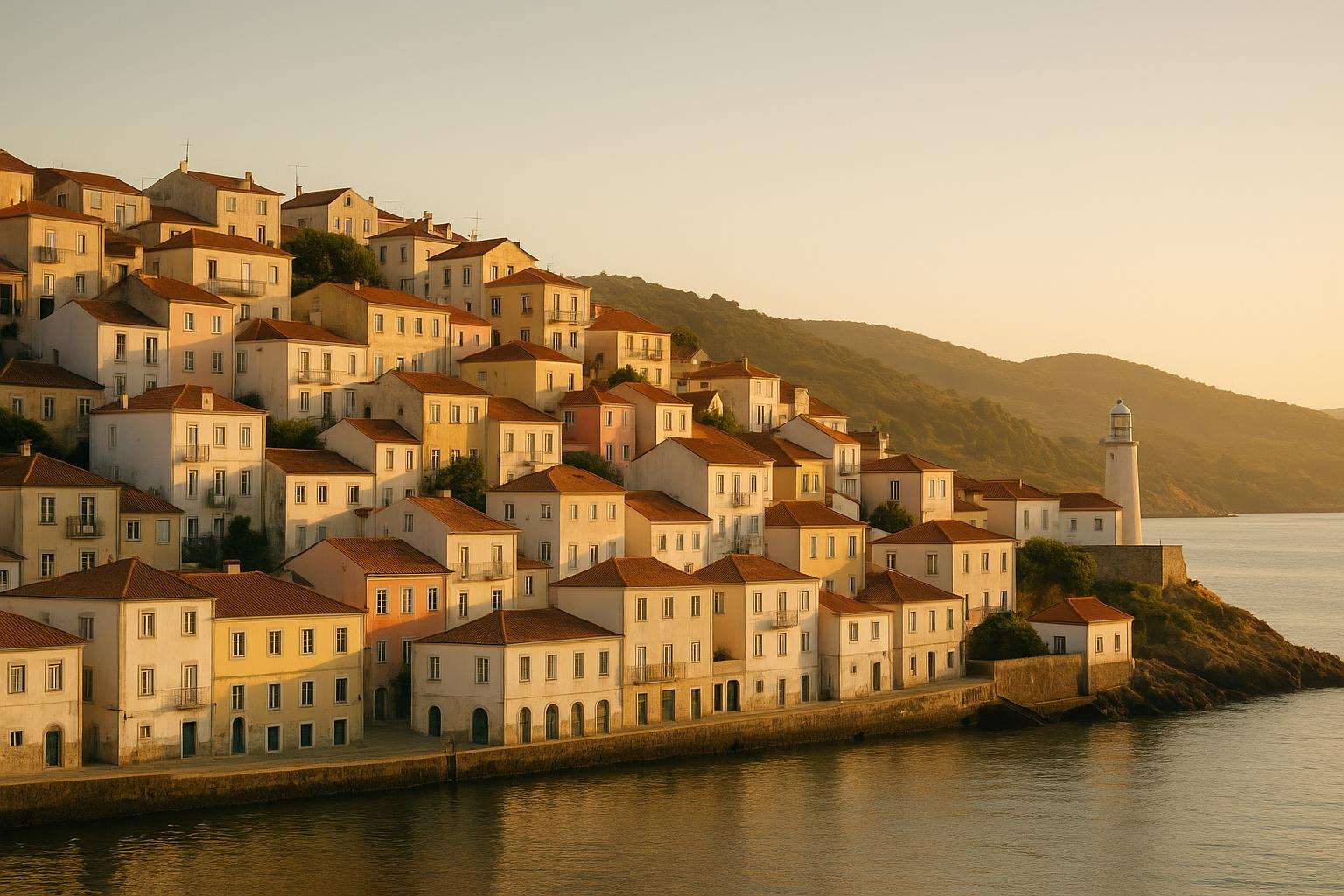
For most married couples, choosing a honeymoon destination is a question of climate, budget and romance. For same-sex married couples, one more question comes first and outranks the rest: what does the law of this place actually say about us, and how is it enforced? The answer spans an extraordinary range — from full marriage equality with warm cultural acceptance, to criminal penalties, to, in a small number of countries, capital punishment. Understanding where a destination sits on that spectrum is the single most important piece of pre-trip due diligence any same-sex couple can do.
This guide lays out the 2026 legal map, names the authoritative sources to check, identifies the destinations that welcome you fully, and gives a practical framework for the harder cases. It is written to inform a personal decision, not to make it for you.
The 2026 legal spectrum, country by country
As of June 2026, per ILGA World, same-sex marriage is legally performed and recognized in 38 countries — roughly 1.5 billion people, about 20% of the world's population. The most recent additions are Thailand (January 23, 2025, the first in Southeast Asia), Liechtenstein (January 1, 2025) and Nepal (a Supreme Court ruling on June 18, 2026). Full-equality countries include Canada, France, Germany, Iceland, Ireland, the Netherlands, New Zealand, Norway, Portugal, South Africa, Spain, Sweden, Switzerland, the United Kingdom and the United States.
A second tier offers civil unions or registered partnerships carrying most but not all marital rights: Croatia, Cyprus, the Czech Republic, Hungary, Italy, Latvia, Lithuania, Montenegro and San Marino. A November 2025 European Court of Justice ruling added weight to recognition within the EU, holding that all member states must recognize a lawfully contracted same-sex marriage from another member state for EU-law purposes such as residency and inheritance — though it did not compel non-recognizing states to perform marriages.
At the far end, ILGA World's May 2026 data confirms that 64 UN member states still criminalize consensual same-sex acts, concentrated in Africa (31 of 54 nations) and the Middle East (10 of 18). The death penalty is legally prescribed in seven states — Iran, Saudi Arabia, Brunei, Mauritania, Nigeria (northern Sharia law), Uganda and Yemen — with uncertain exposure in five more: Afghanistan, Pakistan, Qatar, Somalia and the UAE. The map moves in both directions: Dominica, Namibia and Botswana have decriminalized recently, while Burkina Faso, Trinidad and Tobago, Senegal and Mali have criminalized or tightened laws since 2024.
The five most welcoming honeymoon destinations
Full marriage equality is necessary but not sufficient; the destinations below pair it with strong anti-discrimination law and a lived culture of hospitality.
| Destination | Marriage equality since | 2026 index note | Why honeymooners choose it |
|---|---|---|---|
| Iceland | 2010 | #1 Gay Travel Index 2026 | Non-resident marriage; geothermal spas, glaciers, aurora |
| Portugal | 2010 | Joint #1 Spartacus 2025 | Lisbon/Porto scenes; Douro wine, Algarve coast, affordable |
| Canada | 2005 | Joint #4 Gay Travel Index 2026 | Non-resident marriage; distinct regional cities |
| New Zealand | 2013 | 81% public support (2023 Ipsos) | Queenstown fjords and mountains; deeply accepting |
| Netherlands | 2001 | Top-ranked, ILGA-Europe Rainbow Map | Amsterdam canal-house hotels; global tolerance reputation |
Iceland legalized same-sex marriage by unanimous parliamentary vote in 2010 and is among the few countries permitting non-resident couples to marry within its borders. Portugal ranked joint first on the 2025 Spartacus Gay Travel Index, pairing vibrant Lisbon and Porto communities with the romance of the Douro and Algarve at a lower cost than Scandinavia. Canada legalized in 2005 and permits non-resident marriage. New Zealand — the first Oceanian country to legalize, in 2013 — sits in a social context where 81% of the public supported marriage or legal recognition in a 2023 Ipsos survey; Queenstown's luxury lodges welcome same-sex couples without distinction. And the Netherlands, the first country in the world to legalize in 2001, remains an iconic honeymoon city with a dense concentration of boutique hotels.
Verifying a resort actually treats you equally
Policy statements are a floor, not proof. The most reliable indicator of genuine inclusion is operational: does the booking and check-in workflow accept 'two grooms' or 'two brides' without follow-up inquiry, and address welcome amenities to both names? Booking.com's Travel Proud program had certified more than 100,000 properties across 150 countries by November 2025, each having completed a 75-minute inclusive-hospitality training developed with HospitableMe; its searchable badge is a credible signal. Specialist agencies such as Out of Office go further, hand-verifying properties on direct client feedback rather than assuming equal treatment.
Marrying abroad as foreign nationals
Several full-equality countries perform legal civil marriages for foreign nationals with little or no residency requirement: Canada, Iceland, Portugal, Spain, France and the Netherlands. Mexico's equality is nationwide (the process varies by state), and Thailand imposes only a three-day waiting period. The State Department's practical counsel for U.S. couples is to complete the legal marriage in the U.S. first, then celebrate abroad — sidestepping foreign paperwork. U.S. territories Puerto Rico and the U.S. Virgin Islands require no passport and operate under federal protections, and in the Caribbean, Aruba and Curaçao gained equality via a July 2024 Dutch Supreme Court ruling.
A framework for the harder cases
What about a destination with conservative laws but popular, professionally run resorts? Use four sources and weigh legal text against enforcement. The State Department country pages carry a 'Local Laws & Customs' subsection and a dedicated Gay and Lesbian Travelers page; enroll in the Smart Traveler Enrollment Program for real-time alerts. ILGA World separates countries by whether laws are actively enforced, rarely enforced or symbolic. Riskline's annual LGBTQ+ Risk Map adds social-acceptance and transgender-rights granularity. And Travel Guard's LGBTQ+ security report, developed with HospitableMe, offers concrete guidance for criminalized jurisdictions — clearing device histories, being aware that dating apps may be monitored, and treating public displays of affection as potentially risky.
The operative question is not 'is it legal?' but 'what is the realistic enforcement environment and daily social climate for a couple presenting as same-sex?' The UAE criminalizes same-sex acts on paper yet has a documented pattern of not enforcing against discreet foreign tourists in resort settings — but that exposure is real, not zero. Jamaica's beach resorts are individually welcoming, yet same-sex acts remain illegal nationally and surrounding attitudes trend intolerant. Saudi Arabia and Iran are a different category entirely, enforcing capital provisions. Consulted together, these four sources give any couple the factual basis to make a fully informed, personally appropriate decision — which is exactly the point.
Frequently asked
How many countries have full same-sex marriage equality in 2026?
As of June 2026, same-sex marriage is legally performed and recognized in 38 countries, representing roughly 1.5 billion people, or about 20% of the world's population, according to ILGA World data. The most recent additions are Thailand (January 23, 2025, the first in Southeast Asia), Liechtenstein (January 1, 2025), and Nepal (a Supreme Court ruling on June 18, 2026). Countries with full equality include Canada, France, Germany, Iceland, Ireland, the Netherlands, New Zealand, Norway, Portugal, South Africa, Spain, Sweden, Switzerland, the United Kingdom and the United States, among others. A second tier — including Croatia, Cyprus, the Czech Republic, Hungary, Italy, Latvia, Lithuania, Montenegro and San Marino — offers civil unions or registered partnerships carrying most but not all marital rights.
Which countries are dangerous for same-sex couples to visit?
ILGA World's May 2026 data confirms that 64 UN member states still criminalize consensual same-sex acts, concentrated in Africa (31 of 54 nations) and the Middle East (10 of 18). The death penalty is the legally prescribed punishment in seven states — Iran, Saudi Arabia, Brunei, Mauritania, Nigeria (under northern Sharia law), Uganda and Yemen — with death-penalty exposure uncertain in five more: Afghanistan, Pakistan, Qatar, Somalia and the UAE. The map shifts in both directions: Dominica, Namibia and Botswana have decriminalized recently, while Burkina Faso, Trinidad and Tobago, Senegal and Mali have criminalized or tightened laws since 2024. For any destination on this list, the legal text and the lived enforcement risk can diverge, but the exposure is never zero — thorough pre-trip research is essential.
What are the safest honeymoon destinations for same-sex couples?
Five destinations combine full marriage equality, strong anti-discrimination protections and a genuine culture of hospitality. Iceland ranked first on the Gay Travel Index 2026 — it legalized same-sex marriage by unanimous parliamentary vote in 2010 and permits non-resident couples to marry within its borders. Portugal ranked joint first on the 2025 Spartacus Gay Travel Index, with vibrant communities in Lisbon and Porto and romantic settings along the Douro and Algarve. Canada (equality since 2005, non-resident marriage permitted), New Zealand (equality since 2013; 81% public support in a 2023 Ipsos survey), and the Netherlands (the first country in the world to legalize, in 2001) round out the group. Each welcomes same-sex couples at the day-to-day resort and service level, not merely in policy.
How do we verify a resort will actually treat us equally?
Policy statements are a starting point, not proof. The single most reliable indicator of genuine institutional inclusion is whether the booking and check-in workflow treats same-sex couples identically — accepting 'two grooms' or 'two brides' without follow-up questions, and addressing welcome amenities to both names. Booking.com's Travel Proud program, which by November 2025 had certified more than 100,000 properties across 150 countries, provides a searchable filter for accommodations whose staff have completed a 75-minute inclusive-hospitality training developed with the consultancy HospitableMe. A Travel Proud badge is a credible (if not comprehensive) signal. Specialist agencies such as Out of Office go further, hand-selecting and verifying properties based on direct client feedback rather than assuming equal treatment.
Where can we legally marry abroad as foreign nationals?
Several full-equality countries perform legal civil marriages for foreign nationals with no or minimal residency requirements: Canada (no residency requirement, straightforward civil procedure), Iceland (non-resident accessible), and several European countries including Portugal, Spain, France and the Netherlands. Mexico's marriage equality became nationwide by 2022, though the process for foreigners varies by state. Thailand, which legalized on January 23, 2025, imposes only a three-day waiting period and no residency requirement. For U.S. couples, the State Department's practical advice is that many complete their legal marriage in the United States first, then celebrate abroad — sidestepping foreign paperwork. U.S. territories Puerto Rico and the U.S. Virgin Islands require no passport and operate under U.S. federal protections, and in the Caribbean, Aruba and Curaçao gained marriage equality via a July 2024 Dutch Supreme Court ruling.
How should we assess a destination with conservative laws but popular resorts?
Use a four-source framework and weigh legal text against real enforcement. First, the U.S. State Department's country pages include a 'Local Laws & Customs' subsection addressing criminalization and enforcement, plus a dedicated Gay and Lesbian Travelers page; enroll in the Smart Traveler Enrollment Program (STEP) for real-time updates. Second, ILGA World separates countries by whether laws are actively enforced, rarely enforced or symbolic. Third, Riskline's annual LGBTQ+ Risk Map adds social-acceptance and transgender-rights granularity. Fourth, Travel Guard's LGBTQ+ security report offers practical guidance such as clearing device histories before arrival in criminalized jurisdictions. The relevant question is not merely 'is it legal?' but 'what is the realistic enforcement environment and daily social climate for a couple presenting as same-sex?' The UAE, for instance, criminalizes same-sex acts on paper but has a pattern of not enforcing against discreet foreign tourists — yet that exposure remains real.