Travel Smart
Reef-Safe Sunscreen for Your Honeymoon: Brands That Are Actually Reef-Safe
Hawaii, Palau and several Caribbean jurisdictions have banned oxybenzone and octinoxate. Here is what 'reef-safe' really means, and which non-nano zinc brands pass muster.
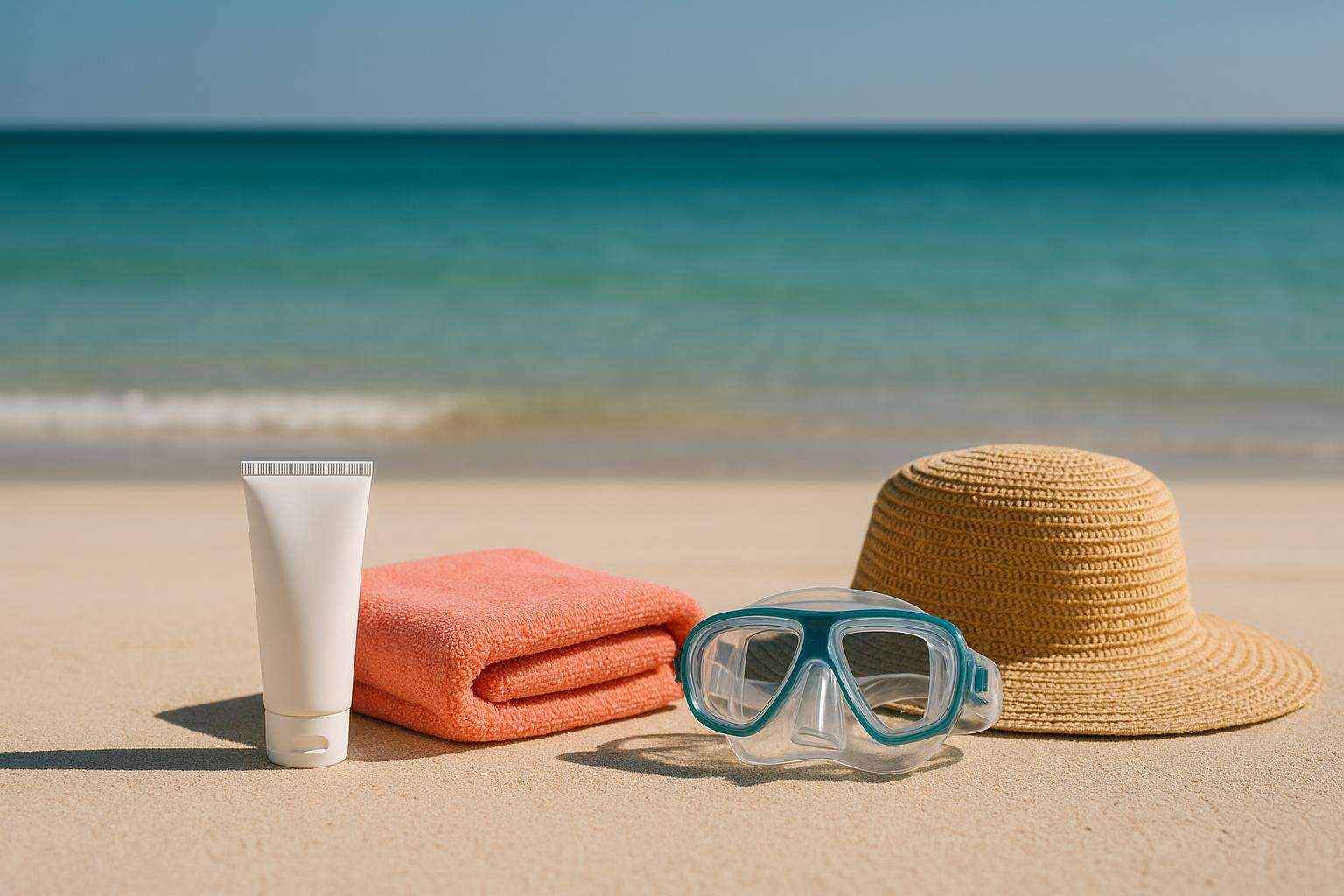
Reef-safe sunscreen is the single most critical bring-your-own item for a beach or island honeymoon, and also one of the most misunderstood. The phrase appears on countless tubes, but no federal standard governs it, so the label alone guarantees nothing. What actually matters is the chemistry, the destination's rules, and whether the formula in your bag will survive both a customs check and a full day in the water. Here is how to cut through the marketing and pack sunscreen that protects your skin without harming the reef you traveled thousands of miles to see.
Why the bans exist, and where they apply
Two chemical UV filters, oxybenzone and octinoxate, are strongly linked to coral bleaching, and jurisdictions have responded with sales bans. Hawaii led the way, and the Pacific nation of Palau enacted one of the strictest prohibitions in the world; multiple Caribbean and Mexican jurisdictions have followed with their own restrictions. Enforcement is not merely symbolic, it can extend to what resort shops are permitted to stock, and to what you may carry in at the border. As the Hawaii Vacation Guide notes, this means you cannot reliably buy a compliant sunscreen after you arrive. Pack from home.
Only one active ingredient is broadly compliant across these bans: non-nano zinc oxide. Zinc is a mineral filter that sits on the skin's surface and reflects ultraviolet light rather than absorbing it chemically, and the "non-nano" qualifier matters because nanoparticle-sized minerals can be ingested by coral. When you evaluate a product, ignore the front-of-tube language entirely and read the active-ingredient panel: if the sole active is non-nano zinc oxide, it qualifies; if you see oxybenzone, octinoxate, avobenzone, or homosalate, it does not.
Three brands that are genuinely reef-safe
Independent testing helps separate real compliance from marketing. Treeline Review's 2026 evaluation gives its top reef-safe rating to Badger Sport SPF 40, built on a 22.5 percent non-nano zinc oxide formula that is EWG-certified and delivers about 40 minutes of water resistance, at roughly $6.03 per ounce. It is the premium choice for couples who want a certified, minimalist formulation and do not mind paying for it.
ThinkSport SPF 50+ is the value pick, at approximately $3.23 per ounce for the 6-ounce family-size bottle. It offers around 80 minutes of water resistance, contains no PABA, parabens, phthalates, BPA, or oxybenzone, and was the first sunscreen to pass Whole Foods' Premium Care requirements, per the ThinkSport product page. Its higher SPF and longer water resistance make it the workhorse for long beach and snorkeling days. Raw Elements SPF 30 to 50 rounds out the list as the reef-safe option available in a spray format compliant with Hawaii's HEL List, the practical answer for anyone who finds rubbing in a mineral lotion tedious, especially on the back.
How much to pack, and how to fly with it
Sunscreen math surprises most couples. Plan for roughly one ounce per full-body application and reapplication every two hours or after every water session; for two people on a seven-day beach honeymoon, that is around 28 ounces or more per person. Mineral formulas also need generous application to reach their labeled SPF, so rationing a tube quietly undermines protection. Buy a large bottle in advance rather than assuming you can restock at the destination.
For air travel, the TSA 3-1-1 rule allows containers of 3.4 ounces (100 mL) or less in a single quart-sized clear bag; the 3-ounce travel tube is carry-on compliant by design. For a full week's supply, check a 6-ounce bottle in your hold luggage or ship it ahead to the resort. Round out your sun kit with an SPF lip balm, since lips are uniquely exposed, and a UPF 50+ rash guard, which cuts the sunscreen you need across long snorkeling sessions and reduces the total load on both your skin and the reef.
The honest tradeoffs
Mineral sunscreen is not without compromises. It must be applied more generously and evenly than a chemical filter to reach its labeled protection, and even modern non-nano zinc formulas can leave a faint white cast, though many couples treat that as a feature, since it shows exactly where coverage is missing. Reef-safe options also tend to cost more per ounce than mass-market chemical sunscreens. Weighed against the alternative, contributing to the bleaching of the very reef you came to snorkel, and risking confiscation at a strict border, the tradeoffs are easy to accept. Pack a certified non-nano zinc formula, apply it properly, and you protect your skin, your honeymoon photos, and the reef in a single decision.
Frequently asked
What does 'reef-safe' actually mean?
There is no federal standard governing the term, so a label alone guarantees nothing; you have to read the active ingredients. In practice, reef-safe has come to mean free of oxybenzone and octinoxate, the two chemical UV filters most strongly linked to coral bleaching and banned in several jurisdictions. The only broadly compliant active ingredient is non-nano zinc oxide, a mineral filter that sits on top of the skin and reflects UV rather than absorbing it chemically. 'Non-nano' matters because nanoparticle-sized minerals can be ingested by coral. When in doubt, ignore the front-of-tube marketing and check that the sole active is non-nano zinc oxide, ideally verified by an independent tester such as Treeline Review or EWG.
Which jurisdictions have actually banned chemical sunscreens?
Hawaii led the way, banning the sale of sunscreens containing oxybenzone and octinoxate, and the Pacific nation of Palau enacted one of the strictest bans in the world. Several Caribbean and Mexican jurisdictions have followed with their own restrictions, and enforcement can extend to what resort shops are permitted to stock. That means you cannot always count on buying compliant sunscreen after you arrive, and you may face confiscation at entry in the strictest destinations. The practical takeaway for honeymooners is simple: pack a genuinely reef-safe, non-nano zinc formula from home rather than assuming you can source one at the destination.
How much sunscreen do we need for a week at the beach?
Plan on roughly one ounce per full-body application and reapplication every two hours or after every water session. For two people on a seven-day beach honeymoon, that works out to around 28 ounces or more per person, which is more than most people expect. Mineral sunscreens also need generous application to reach their labeled SPF, so under-applying to stretch a tube quietly defeats the purpose. Buy a large family-size bottle in advance, or supplement at the destination only if you have confirmed a compliant brand is sold there. Lips are uniquely exposed, so pack an SPF lip balm as well, and consider a UPF 50+ rash guard to cut the total sunscreen you need for long snorkeling sessions.
Can I bring sunscreen in my carry-on?
Yes, within the TSA 3-1-1 rule: containers of 3.4 ounces (100 mL) or less, packed in a single quart-sized clear zip-top bag, one bag per passenger, according to the Transportation Security Administration. A 3-ounce travel sunscreen tube is carry-on compliant by design. For a full honeymoon's supply you will exceed that limit, so check a larger 6-ounce bottle in your hold luggage or ship it ahead to the resort. If you are traveling carry-on only, the travel-size tube covers checkpoint rules and you can top up with a larger checked or destination-bought bottle for the days that follow.
Is mineral sunscreen as effective as chemical sunscreen?
Yes, when applied properly. Non-nano zinc oxide is a broad-spectrum physical filter that reflects both UVA and UVB, and the leading reef-safe formulas offer competitive water resistance: Badger Sport SPF 40 provides about 40 minutes and ThinkSport SPF 50+ around 80 minutes. The historic complaint about mineral sunscreen, a heavy white cast, has eased considerably in modern formulations, though a light cast can remain, which some couples actually prefer for visibility of coverage. The real-world catch is application: mineral sunscreens must be applied generously and evenly to reach their labeled SPF, and reapplied on the same two-hour schedule. Applied correctly, a good non-nano zinc sunscreen protects as well as its chemical counterparts while keeping oxybenzone off the reef.
Are spray sunscreens ever reef-safe?
Most spray sunscreens rely on chemical filters and are not reef-safe, and many destinations discourage aerosols near water because overspray lands directly on sand and shallows. The notable exception is Raw Elements, which the research identifies as the reef-safe spray format compliant with Hawaii's HEL List, making it a viable option for anyone who finds rubbing in a mineral lotion tedious, particularly on hard-to-reach areas like the back. If you prefer a spray, verify that it uses non-nano zinc oxide and is explicitly listed as reef-compliant, and apply it away from the water's edge, then rub it in to ensure even coverage rather than relying on the mist alone.